

højdepunkt i iran

Isfahan / Esfahan

“Embarking on a journey through Isfahan’s sprawling boulevards, one is enveloped in a rich tapestry of history, where architectural grandeur and contemporary vibrancy intertwine, creating a vibrant mosaic of lush gardens, splendid monuments, and bustling bazaars, all whispering tales from epochs gone by.”


Isfahan people

Isfahan, The Jewel of Persia.


Submerged in a rich tapestry of history, culture, and architectural splendor, the city of Isfahan, situated amidst the arid expanses of central Iran, manifests itself as a radiant jewel in the Persian landscape. A haven that has nurtured civilization for thousands of years, Isfahan is often encapsulated in a single, yet profoundly meaningful expression: “Isfahan nesf-e jahan” which translates to “Isfahan is half the world”. This ancient adage originated during the Safavid dynasty when the city was at its zenith, both culturally and politically, embodying a world within itself, wherein every nook and cranny reverberates with tales from a bygone era.

How to get to Isfahan by Air, Bus , car or train.

Getting from Tehran to Isfahan is quite straightforward and offers various options to suit your needs and preferences. 

At tage flugten:

  • Flyselskaber: Iran Air, Mahan Air, Caspian Airlines, and others offer frequent flights from Tehran Mehrabad Airport (THR) to Esfahan Shahid Beheshti International Airport (IFN). The journey takes around 1 hour, making it the fastest option.
  • Det koster: Fares generally range from 19,000 to 260,000 IRR depending on the airline, booking time, and season.
  • Fordele: Ideal for time-pressed travelers, offers bird’s-eye views, most comfortable option.
  • Ulemper: Den dyreste løsning, begrænset bagagetilladelse sammenlignet med andre transportformer.

At køre på skinnerne:

  • Tog: Raja Rail Transportation Co. operates several daily trains from Tehran Station to Isfahan Station. The journey takes approximately 4 to 5 hours, offering a scenic and comfortable alternative.
  • Det koster: Fares start from around 55,000 IRR for economy class and can go up to 150,000 IRR for deluxe class with more amenities.
  • Fordele: Affordable, scenic journey with views of mountains and plains, comfortable seating, ample luggage space.
  • Ulemper: Længere rejsetid sammenlignet med fly, begrænset fleksibilitet i forhold til busser.

At omfavne vejen:

  • Busser: Several bus companies like Seiro Safar, and Homa Safar offer regular services from Tehran’s Beyhaghi Terminal (South) and South Terminal to Isfahan’s Sepahsalar and Kaveh Terminals. The journey takes around 6 to 8 hours, providing the most budget-friendly option.
  • Det koster: Fares range between 60,000 and 90,000 IRR depending on the company and comfort level.
  • Fordele: Den billigste løsning, fleksibilitet i afgangstider, mulighed for naturskønne stop undervejs.
  • Ulemper: Længste rejsetid, mindre komfort sammenlignet med tog og fly, begrænset bagageplads.

Tips til en problemfri rejse:

  • Book i forvejen: Især i højsæsonen er det en god idé at sikre sig billetterne tidligt, da det sikrer tilgængelighed og potentielt lavere priser.
  • Consider your priorities: Choose the option that best aligns with your budget, time constraints, and comfort preferences.
  • Pak let: Regardless of your chosen mode of transport, pack light for easier handling.
  • Embrace the experience: Whether soaring through the air, traversing scenic landscapes, or enjoying the local ambiance, make the most of your journey.

Yderligere ressourcer:

  • Rio2Rome: Compare schedules, fares, and travel times across different modes of transport.
  • Google Maps: Get real-time directions and estimated travel times.
  • Raja Rail Transportation Co. website: https://rail.cc/train-company/rai/49 (in Farsi and English)

How to get around Isfahan

Navigating Isfahan’s Charm: Your Guide to Public Transportation

Isfahan’s rich history and architectural splendor beckon exploration, and its efficient public transportation network makes it easy to navigate the city like a local. Here’s your comprehensive guide to getting around using various options:

Busser:

  • Isfahan’s bus network is extensive and affordable, covering most parts of the city. Regular buses, marked with red stripes, connect major landmarks and residential areas.
  • BRT (Bus Rapid Transit) buses, identified by their red color, offer a faster and more efficient option with dedicated lanes. They operate on major routes like Charbagh Street and Khajeh Abdolreza Abdolreza Expressway.
  • Fares are very reasonable, usually starting from 5,000 IRR, and you can purchase Isfahan Cards for even cheaper travel. Disse genopladelige kort er let tilgængelige i kiosker nær busstoppesteder og metrostationer.
  • Vær forberedt på, at der kan være mange mennesker, især i myldretiden. Busserne kommer ofte, så du behøver ikke vente længe.

Minibusser:

  • For en mere fleksibel løsning kan du overveje minibusser, også kendt som "savaris". Disse delebiler kører langs faste ruter og kan prajes ved bestemte stoppesteder.
  • Fares are slightly higher than buses, typically around 10,000 IRR per person. Du betaler direkte til chaufføren, når du stiger ombord.
  • Minibusser er generelt mindre overfyldte end almindelige busser, men de følger måske ikke en stram køreplan.

Taxier:

  • Isfahan’s taxi network offers a convenient option for shorter distances or late-night travel. Du kan praje dem på gaden eller ringe efter et lift via dedikerede apps som Snapp eller Tap30.
  • Forhandl prisen med chaufføren, før du begynder din rejse. Taxaer med taxameter er tilgængelige, men bruges ikke altid.
  • Forvent højere priser sammenlignet med busser og minibusser, især i myldretiden eller på længere strækninger.

Biludlejning:

  • Hvis du vil have fuld frihed og fleksibilitet, kan du overveje at leje en bil, især hvis du har planer om at udforske nærliggende byer eller landsbyer. Several car rental companies operate in Isfahan, offering a range of vehicles to suit your needs.
  • Vær opmærksom på trafikregler og parkeringsrestriktioner, som kan være strengere i centrale områder.Internationale køretilladelser er påkrævet for udenlandske besøgende.
  • Billeje kan være dyrt sammenlignet med offentlig transport, men det giver dig mulighed for at udforske i dit eget tempo.

Yderligere tips:

  • Download offlinekort som MAPS.ME for at navigere uden internetadgang.
  • Lær grundlæggende farsi-sætninger, så du lettere kan kommunikere, især med taxachauffører.
  • Vær tålmodig og høflig, når du bruger offentlig transport, især i travle perioder.
  • Enjoy the experience! Public transportation offers a great way to immerse yourself in the local atmosphere and observe everyday life in Isfahan.

Husk, at den bedste løsning for dig vil afhænge af dit budget, dine tidsbegrænsninger og den ønskede grad af fleksibilitet. Udforsk alle dine muligheder, og vælg den, der passer bedst til din rejsestil.

Have a wonderful time exploring Isfahan

What to eat and where to find good food in Isfahan.

Unveiling Isfahan’s Culinary Delights: A Foodie’s Guide

Isfahan’s charm extends beyond its stunning architecture and vibrant streets. Its rich culinary heritage offers a symphony of flavors waiting to be explored. Dive into these iconic local dishes and discover the city’s soul through its cuisine:

Delikatesser, der skal prøves:

  • Biryani: Isfahan’s signature dish, a flavorful stew of sheep’s pluck, lamb, spices, and onion, served with warm bread and meat broth.
  • Gheimeh Rizeh: Tiny meatballs simmered in a rich tomato-based sauce with saffron and turmeric, a comforting and flavorful dish.
  • Kebab Hosseini: Juicy minced lamb kebabs grilled to perfection, often served with grilled tomatoes and onions.
  • Khoresh-e Mast: A unique sweet and sour yogurt stew, often paired with rice and vegetables, offering a delightful contrast of flavors.
  • Kaleh Joosh: A hearty wheat germ soup bursting with fresh herbs and spices, a delicious and nutritious local favorite.

Populære restauranter:

  • Haj Maghzi Beryani: This legendary restaurant, established in 1850, reigns supreme for its traditional Biryani. (Khayaban Chaharbagh Abbas Abad | +98 31 3223 2041)
  • Beryani Azma: Another renowned Biryani specialist, offering the dish in various styles and drawing crowds with its authentic atmosphere. (Chaharbagh Abbasi St | +98 31 3223 3958)
  • Rah Barzeen Restaurant: For an elegant dining experience, try their signature Ghormeh Sabzi stew and tender Kebab Masti, along with exquisite traditional desserts. (Hafez St | +98 31 3224 8482)
  • Ateshdan Restaurant: Immerse yourself in Isfahani charm at this traditional teahouse and eatery. Sample Gheimeh Rizeh, Kebab Hosseini, and their delightful local pastries. (Chaharbagh Abbasi St | +98 31 3223 3078)
  • Chehel Sotun Palace Restaurant: Enjoy a royal ambiance while savoring exquisite Iranian cuisine. Their Khoresh-e Mast and aromatic Khoresh Ghajme are culinary masterpieces. (Chehel Sotun Garden, Naqsh Jahan Square | +98 31 3625 5266)

Bonus-tip: Explore Isfahan’s bustling bazaars and hidden alleyways to discover charming local cafes and hidden gems serving authentic street food. Don’t be afraid to try something new!

Remember, these are just a few highlights of Isfahan’s culinary world. Be adventurous, ask locals for recommendations, and embark on a delicious journey through the city’s flavors. Enjoy your foodie adventure in Isfahan!

Safe travel in Isfahan

Safety First: Keeping You Secure in Isfahan’s Embrace

Isfahan’s captivating beauty deserves an equally enriching travel experience. While the city is generally safe, staying informed and cautious ensures a worry-free journey. Here are best practices to stay safe while exploring Isfahan:

Før du rejser:

  • Registrer dig hos din ambassade: Informer din ambassade eller dit konsulat om dine rejseplaner og kontaktoplysninger. På den måde kan de hjælpe dig i tilfælde af nødsituationer.
  • Køb en rejseforsikring: Get comprehensive travel insurance covering medical expenses, lost luggage,and trip cancellations.
  • Undersøg lokale love og skikke: Sæt dig ind i iranske love, kulturelle normer og dresscode for at undgå utilsigtede fornærmelser.

While in Isfahan:

  • Vær på vagt: Vær opmærksom på dine omgivelser, især i områder med mange mennesker. Hold værdigenstande tæt på og skjult.
  • Brug taxaer med taxameter: Undgå umærkede taxaer, og forhandl om prisen på forhånd. Overvej at bruge velrenommerede apps som Snapp eller Tap30.
  • Vær opmærksom på dine ejendele: Efterlad ikke værdigenstande uden opsyn på restauranter eller caféer. Brug et pengebælte eller en sikker rejsepung til vigtige ting.
  • Klæd dig beskedent: Respect local customs by covering your shoulders and knees (women) and avoiding sleeveless shirts and shorts (men). Consider wearing a headscarf, especially in religious sites.
  • Lær grundlæggende farsi-sætninger: Hvis du kender enkle hilsner og retninger, kan det hjælpe dig med at navigere og interagere med de lokale mere effektivt.
  • Respekter de lokale love: Avoid alcohol consumption in public, gambling, and engaging in political discussions.

Kontaktoplysninger i nødstilfælde:

  • Generelle nødsituationer: Ring 112 til politiet, 115 til ambulancen og 125 til brandvæsenet.
  • Tourist Police: +98 31 3218 2373 (located near Isfahan Airport)
  • Hovedpolitistationen: +98 31 3225 2001 (Abdol Reza Blvd., Khayam Ave.)
  • Information om turisme: +98 31 3260 2322 (Imamzadeh Ismail Sq., Chehel Sotun St.)

Yderligere tips:

  • Download offlinekort som MAPS.ME for at navigere uden internetadgang.
  • Tag kopier af dit pas og dine rejsedokumenter, men efterlad dem på et sikkert sted på dit hotel.
  • Stol på din mavefornemmelse. Hvis noget føles forkert, så undgå det, og søg hjælp, hvis det er nødvendigt.

Remember, Isfahan’s welcoming people and rich culture create an unforgettable experience. By following these tips and exercising common sense, you can truly soak in the city’s magic while ensuring a safe and enjoyable journey.

Have a wonderful adventure in Isfahan

Important numbers in Isfahan

Isfahan Essentials: Your Go-To Toolkit for a Smooth Journey

Planning a trip to Isfahan promises an enchanting experience steeped in history and cultural treasures. To ensure a smooth and worry-free journey, here’s your essential contact toolkit for emergencies and general assistance:

Nødsituationer:

  • Generelle nødsituationer: Ring 112 til politiet, 115 til ambulancen og 125 til brandvæsenet.
  • Tourist Police: +98 31 3218 2373 (located near Isfahan Airport)
  • Hovedpolitistationen: +98 31 3225 2001 (Abdol Reza Blvd., Khayam Ave.)

Generel assistance:

  • Information om turisme: +98 31 3260 2322 (Imamzadeh Ismail Sq., Chehel Sotun St.)
  • Isfahan International Airport: +98 31 3458 5000 (Shahid Beheshti Airport)
  • Isfahan Central Bus Station: +98 31 3232 7111 (Imamzadeh Jafar St.)
  • Iran Air (nationalt flyselskab): +98 21 4464 1212 (hovedkontoret i Teheran)
  • Oversættelsestjenester: Several private translation services like Parsine Translation Bureau and Isfahan Language Center offer assistance. Consider apps like Google Translate for basic communication.

Medicinsk:

  • Atieh Hospital: +98 31 3731 5000 (Shahid Ashrafi Esfahani St.)
  • Ali Ibn Abi Taleb Hospital: +98 31 3267 2000 (Sheikh Bahaei St.)
  • Several private clinics and medical centers are available throughout Isfahan. Søg på nettet, eller spørg dit hotel om anbefalinger.

Transport:

  • Snapp Taxi: Download app eller ring til +98 877 726 7726
  • Tap30 Taxi: Download app eller ring til +98 877 787 7879
  • Isfahan BRT buses: Red-colored buses with dedicated lanes offering efficient travel on major routes.
  • Almindelige busser: Red-striped buses covering most parts of the city.

Bonus-tip: Consider purchasing an Isfahan Card for discounted fares on public transportation.

Husk det:

  • Gem disse numre i din telefon før din rejse.
  • Skriv vigtige adresser og telefonnumre ned på papir, så du har adgang offline.
  • Download offlinekort som MAPS.ME for at navigere uden internetadgang.
  • Lær grundlæggende farsi-sætninger, så du lettere kan kommunikere.

These contacts and resources will serve as your helpful companions throughout your Isfahan adventure. Enjoy your unforgettable journey

Money, Banks and Exchange in Isfahan

Navigating Isfahan’s Currency: Your Guide to Banks and Money Exchange

Exchanging your currency in Isfahan shouldn’t be a mystery. Here’s your map to navigating the city’s main banks and money exchange places, along with essential tips for a smooth transaction:

Vigtigste banker og pengevekslingssteder:

Det centrale distrikt:

  • Melat Bank: Chaharbagh Abbasi St, Naqsh-e Jahan Sq. (+98 31 3223 0321)
  • Samaneh Bank: Chaharbagh Abbasi St, Naqsh-e Jahan Sq. (+98 31 3223 0888)
  • Parsian Bank: Sheikh Bahaei St, Chaharbagh Abbasi St. (+98 31 3202 5700)
  • Central Money Exchange: Hakim Nezami St, Sepah Sq. (+98 31 3224 7164)

Andre steder:

  • Melat Bank: Shahid Ashtari Esfahani St, Atieh Hospital (+98 31 3731 5000)
  • Samaneh Bank: Khomeini Sq., Imam Khomeini St. (+98 31 3626 0289)
  • Mellat Bank: Jomhoori Ave., Isfahan International Airport (+98 31 3458 5000)
  • Iran Tourism Exchange: Hakim Nezami St, Hasht Behesht Palace (+98 31 3220 9564)

Tips til udveksling af penge:

  • Medbring euro eller amerikanske dollars: Det er de foretrukne valutaer til veksling. Euro tilbyder generelt bedre kurser end dollar.
  • Sammenlign priser: Check rates at different banks and exchange offices before committing. Consider online resources like xe.com for live updates.
  • Medbring regninger i god stand: Revne eller beskadigede sedler kan blive afvist.
  • Kend proceduren: Nogle udvekslinger kræver pas og rejsedokumenter.
  • Pas på gadesvindlere: Undgå at veksle penge uden for autoriserede kontorer.
  • Få fat i kvitteringer: Gem dine byttekvitteringer til eventuelle fremtidige transaktioner.

Bonus-tip: Overvej at bruge internationale debetkort med Mastercard- eller Visa-logoer til hævninger i hæveautomater. Informer din bank om dine rejseplaner for at undgå spærrede kort.

By following these tips and visiting reputable exchange locations, you can ensure a safe and efficient currency exchange experience in Isfahan. Have a wonderful journey

Social Norms and Etiquette in Isfahan:

Unveiling Isfahan’s Charm: Your Guide to Respectfully Navigating Local Customs

Isfahan’s beauty extends beyond its architectural splendor; it thrives on a rich tapestry of customs and traditions. Understanding and respecting local norms during your visit will ensure a harmonious and enriching experience. Let’s delve into the cultural etiquette of Isfahan:

Påklædningskode:

  • Beskedenhed er nøglen: Klæd dig beskedent for at undgå utilsigtet fornærmelse. Kvinder bør dække skuldre og knæ, og mænd bør undgå ærmeløse skjorter og shorts. Løstsiddende tøj er at foretrække, især i religiøse eller offentlige bygninger.
  • Hovedtørklæder til kvinder: While not mandatory in Isfahan, wearing a headscarf shows respect for local customs. You can find beautiful scarves sold in many shops.
  • Undgå afslørende tøj: Badetøj er kun til strande og private pools. Vær opmærksom på afslørende tøj, selv i afslappede omgivelser.

Hilsener og interaktioner:

  • Giv hånd og kropssprog: Et blidt håndtryk er kutyme, når man møder nogen nye, især ældre. Mænd bør vente på, at kvinder tager initiativ til et håndtryk. Undgå at holde i hånd offentligt, medmindre I er et par. Hold en respektfuld afstand under samtaler.
  • Formelle titler: Brug titler som "Agha" til mænd og "Khanom" til kvinder, når du tiltaler nogen formelt.
  • Vær opmærksom på latter og PDA: Excessive laughter and public displays of affection are not common in Isfahan.

Besøg i moskeer og helligdomme:

  • Klæd dig konservativt: Dæk hovedet til, og bær langt, løst tøj. Tag skoene af, før du går ind.
  • Sæt din telefon på lydløs: Vis respekt for det hellige rum, og vær stille.
  • Undgå fotografering: Nogle helligdomme kan have restriktioner for fotografering, så spørg om lov, før du tager billeder.

Spiseetikette:

  • Vent på at blive sat ned: Sæt dig ikke ned, før værten har bedt dig om det.
  • Spis med din højre hånd: Traditionelt spises maden med højre hånd. Der kan være redskaber til nogle retter.
  • Afvis høfligt: Det er kutyme at blive tilbudt mad eller drikke to eller tre gange, før man takker nej. Afvis høfligt, og tak værten for hans generøsitet.

10 nyttige sætninger på farsi:

  1. Salam (Hej)
  2. Khob hastid? (Hvordan har du det?)
  3. Mamnoon (tak)
  4. Torokhon (Det var så lidt)
  5. Behsh be donet (Velsign dig)
  6. Bبخشید (Undskyld mig)
  7. Nemifahmam (jeg forstår ikke)
  8. Kar konam? (Må jeg hjælpe dig?)
  9. Che qadar mishe? (Hvor meget er det?)
  10. Khoda hafez (Farvel)

Husk det:

  • Man kommer langt med et smil og en venlig fremtoning.
  • Lær grundlæggende farsi-sætninger for at vise din indsats og respekt.
  • Iagttag de lokale, og tilpas din adfærd derefter.
  • Tøv ikke med at spørge høfligt, hvis du er i tvivl om noget.

By embracing these guidelines, you’ll unlock the true beauty of Isfahan’s culture and forge meaningful connections with its people. Have a wonderful and respectful journey!

Bonus-tip: Check out Google Translate’s phrasebook feature for additional helpful phrases and pronunciation assistance

Spørgsmål? Ring til os når som helst 24/7 på: +989174257008 - E-mail: info@IranTravelingCenter.com

Why to visit Isfahan?

Let’s go on a journey through the sprawling boulevards of Isfahan, one is welcomed by an effusive amalgamation of historical grandeur and contemporary vibrancy. This city, which once was an essential crossroad on the legendary Silk Road, has meticulously preserved its splendiferous monuments, lush gardens, and vibrant bazaars, all of which stand as testaments to its storied past and its vibrant cultural tapestry.

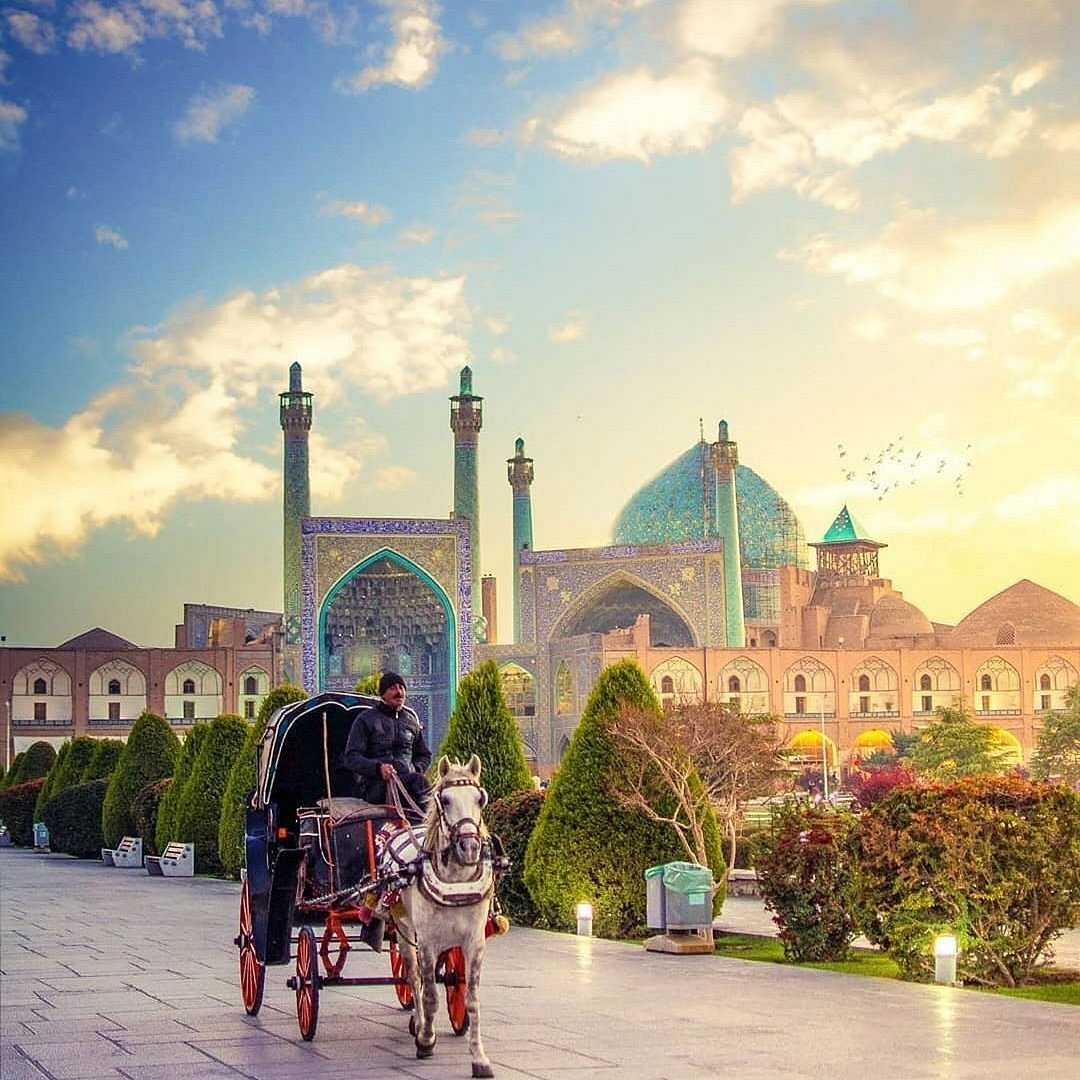
The majesty of Isfahan is perhaps most luminously reflected in the Naqsh-e Jahan Square, an immense field of architectural beauty and historical significance. The square, inscribed as a UNESCO World Heritage site, is surrounded by the imposing Shah Mosque, Ali Qapu Palace, Sheikh Lotfollah Mosque, and the entrance to the Grand Bazaar. Each edifice, with its intricate tilework, soaring minarets, and majestic domes, conveys the artistic prowess and the architectural ingenuity of the Persian artisans of the Safavid era.

The lush Zayandeh Rood river, a lifeline in the parched desert terrain, meanders through the city, its banks adorned with the equally storied and aesthetically delightful bridges like Si-o-Se Pol and Khaju Bridge. These structures not only served as functional constructions for crossing the river but also as meeting points where people gathered to share tales, philosophize, and bask in the serene beauty of the sun setting upon the gentle waters.

Art and craftsmanship entwine seamlessly in the city’s vibrant bazaars. The resonance of hammer striking copper, the gentle caress of the weaver’s hands upon delicate silks, and the aromatic allure of spices form a sensorial symphony that immerses visitors into the very soul of Isfahan. Here, meticulous miniaturists, masterful carpet weavers, and skilled metalworkers perpetuate an artistic legacy that has transcended generations.

As we transcend the tangible and delve into the intangible, Isfahan’s cultural and social richness unveils itself. The warm-hearted and welcoming Isfahanis, with their eloquent poetry, intricate music, and scrumptious cuisine, invite you into a world where the modern and the ancient coalesce in a harmonious ballet. It is a place where stories are not just told but are lived, where every stone, every alley, and every smile invites you to traverse through epochs, experiencing the mystical allure that is so quintessentially Persian.

Isfahan, a manifestation of architectural splendor, a kaleidoscope of vibrant markets, and a confluence of warm and amiable dwellers, undoubtedly forms an essential pin on the map of any discerning traveler. To traverse its streets is to walk through chapters of a richly illuminated manuscript, each page unfolding tales of emperors and artisans, of conquests and artistry, inviting you to be enthralled, to explore, and to become a part of its eternal narrative.
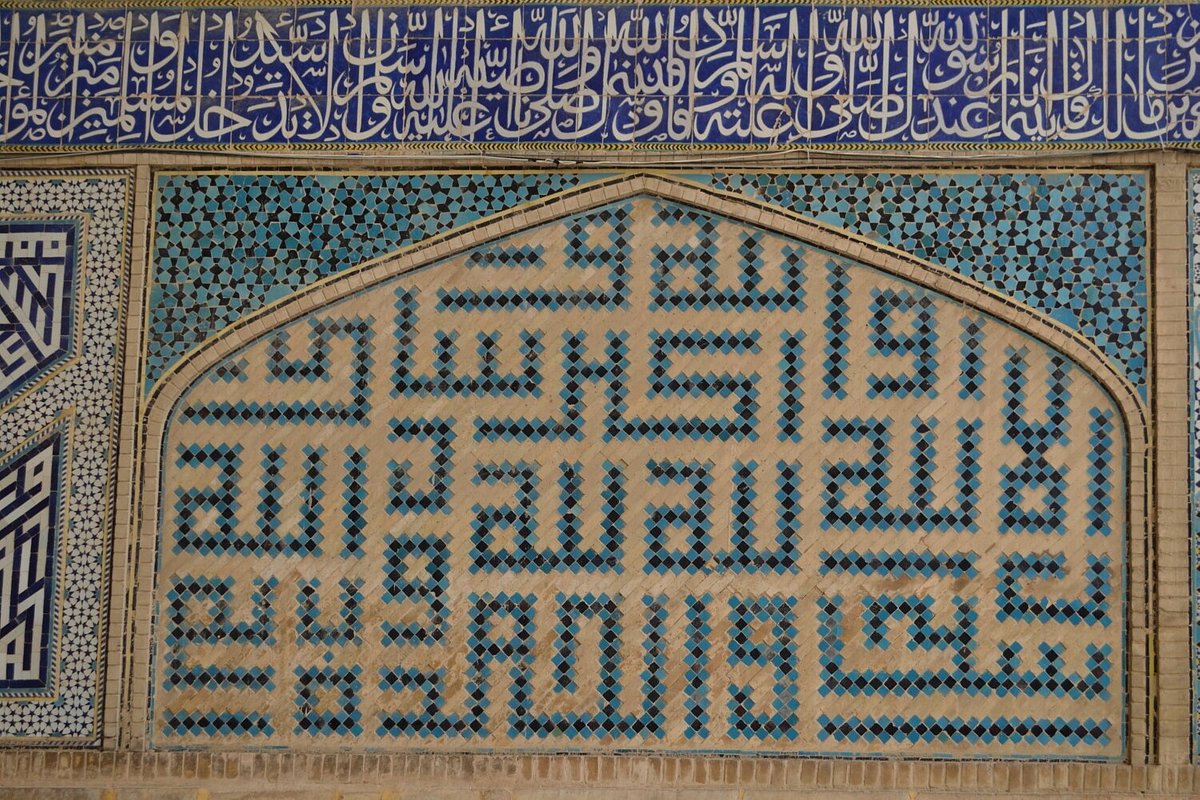
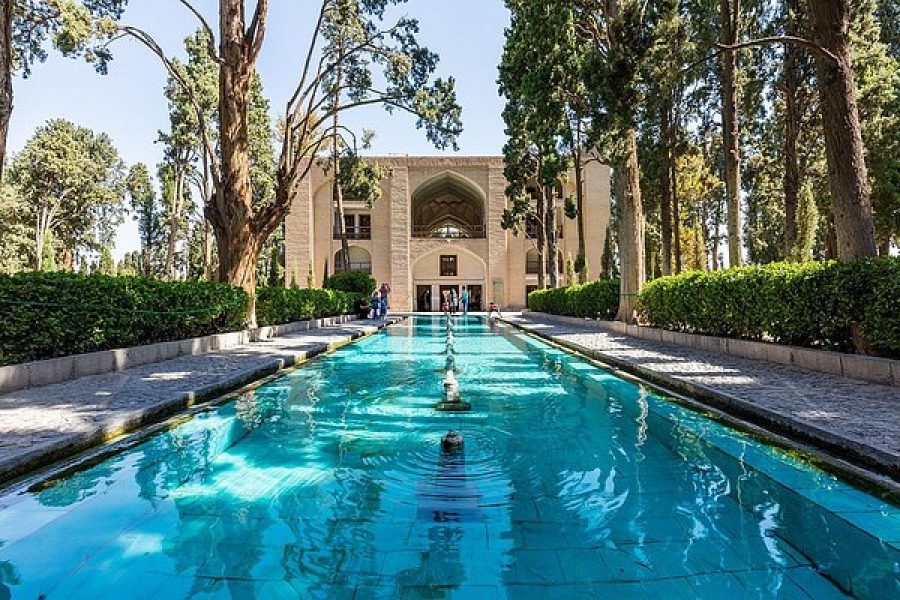
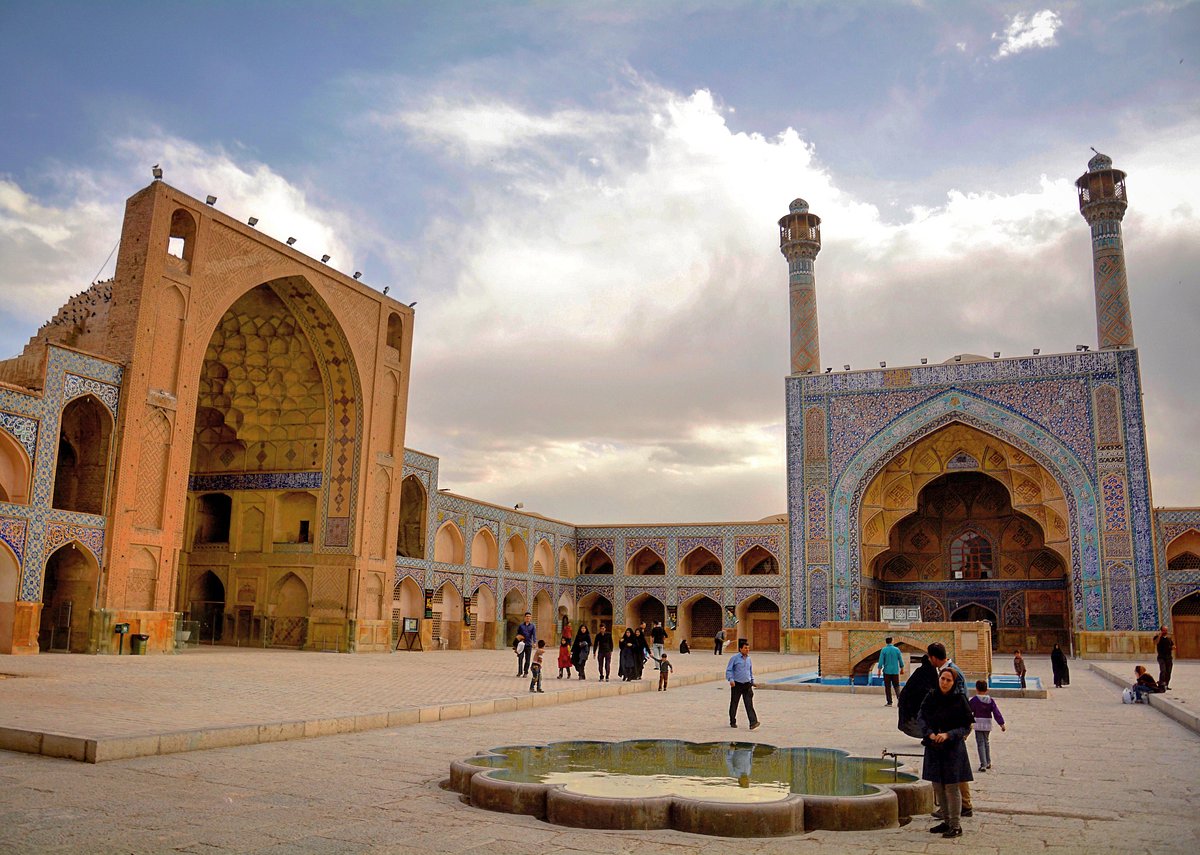
Jameh-moskeen i Isfahan, Isfahan

Udforsk Iran, tag på en daglig vandretur, eller tag med os på en flerdages rejsepakke med os.

Et par steder at bo.

Abbasi Hotel / Isfahan

Isfahan, Amadegah Street, Abbasi Hotel, Iran

Parsian Kowsar Isfahan Hotel / Isfahan

Isfahan Province, Isfahan, Mellat Boulevard, Parsian Kowsar Hotel, Iran

Alighapou Hotel / Isfahan

Isfahan-provinsen, Isfahan, Bagh-e-Goldaste Street, AliGhapou Parking, Iran

Jamshid Hotel / Isfahan

Isfahan-provinsen, Isfahan, Chahar Bagh Paeen Street, Jamshid Hotel, Iran

Et par steder, der er et besøg værd.

Archological sites

Chehel Sotun

Chehel Sotun, located in Isfahan, Iran, is a historical palace renowned for its architectural beauty and historical. This UNESCO World Heritage site, known for its distinctive twenty columns reflecting in the waters of its front pool, forms an enchanting image that translates to “Forty Columns” in Persian…

Chehel Sotoun, Isfahan

Churches

Vank Cathedral

Vank Cathedral, also known as the Holy Savior Cathedral, is a historic and architectural gem located in the Armenian quarter of Jolfa in Isfahan, Iran. Established in the 17th century during the Safavid era, it’s a testament to the cultural and religious diversity of the region. The cathedral is renowned for its stunning blend of Islamic and Armenian architectural elements, featuring a unique brick dome, intricate frescoes, and gilded carvings. Inside, the walls are adorned with exquisite paintings depicting biblical scenes, making it a significant site for both its historical value and religious importance …
Vank-katedralen i Isfahan, Isfahan

Moskeer

Jameh Mosque of Isfaha

På fanen Indsæt indeholder gallerierne elementer, der er designet til at koordinere med det overordnede udseende af dit dokument. Du kan bruge disse gallerier til at indsætte tabeller, sidehoveder, sidefødder, lister, forsider og andre af dokumentets byggesten. Når du ...
Jameh-moskeen i Isfahan, Isfahan

Moskeer

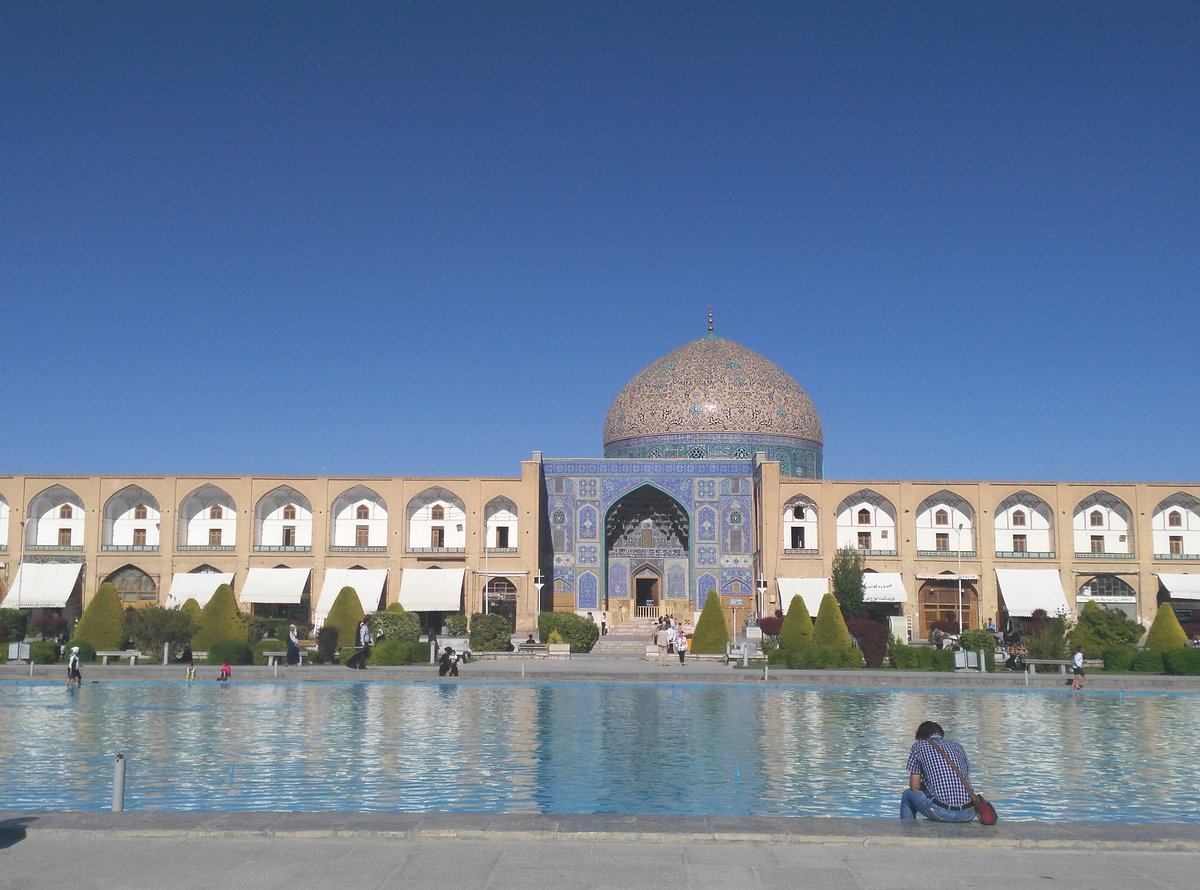
Sheikh Lotfollah Mosque

The Sheikh Lotfollah Mosque, located in Isfahan, Iran, is a masterpiece of Persian architecture. Built during the Safavid Empire, under Shah Abbas, it was completed in 1619. The mosque is renowned for its stunning tilework and mosaics, which adorn both its exterior and interior. Unlike other mosques, it lacks a minaret and a courtyard, as it was built for private prayers of the royal court. The dome’s exterior changes color from dawn to dusk, reflecting the light in unique patterns. The mosque’s serene and harmonious design, along with its intricate geometric patterns and calligraphy, make it a symbol of the sophistication of Persian Islamic architecture …
Sheikh Lotfollah Mosque, Isfahan

Moskeer

Naqsh-e Jahan Square

Naqsh-e Jahan Square, located in Isfahan, Iran, is one of the largest and most magnificent city squares in the world. Known as Imam Square, it’s a UNESCO World Heritage site, renowned for its unique display of Islamic architecture. Built in the early 17th century during the Safavid dynasty, the square is surrounded by important historical buildings, including the Ali Qapu Palace, the Sheikh Lotfollah Mosque, the Imam Mosque, and the Isfahan Grand Bazaar. This square has been a vibrant place for social gatherings, ceremonies, and polo games over centuries, making it a symbol of Persian culture and history …
Naqsh-e Jahan-pladsen, Isfahan

Reservér hotel, bil eller transfer i Iran

Booking-hotline 24/7: +989174257008 - E-mail: info@IranTravelingCenter.com

Lad os udforske Iran uden for byerne

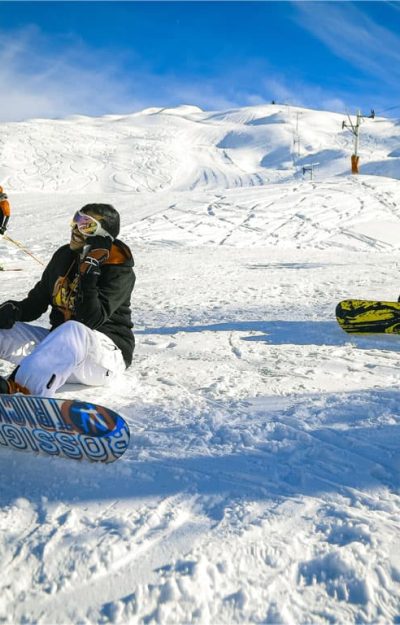
udendørs oplevelser i Iran

spa & wellness

Afslapning med massage eller sauna

En afslappende massage ville være en god måde at afslutte en rejsedag på.

forbind med os

Sådan kommer du i kontakt

Vores medarbejdere

Uanset hvad du har brug for af legetøj, er vi her for dig. Bare sig til, hvis du har spørgsmål.

CEO & Owner of agency
Hassan Abdolahi
Turleder
(305) 343 6873
Pari Abdolahi
Informationsskranken
(305) 321 7897