point fort de l'iran

Old Deyhuk village


Deyhuk village desert iran tabaas

life on the fringes of desert.

Iran deserts 

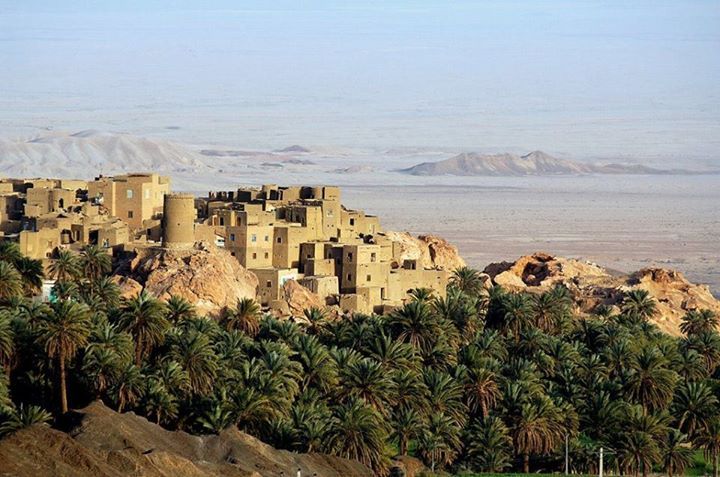
Old Deyhuk Village, located in the east of Iran between the Lut desert and Mashhad, offers a unique and compelling experience for visitors. While the original village was largely abandoned following an earthquake in 1978, its story of resilience and heritage preservation is particularly inspiring.

One of the key reasons to visit Old Deyhuk is the efforts of a local resident, Hossein Ostad, who chose to remain in the village when others left. He has rebuilt his ancestral home, brick by brick, and transformed it into a boutique hotel. His dedication to preserving the village’s history and heritage is a testament to the cultural and historical significance of the area.

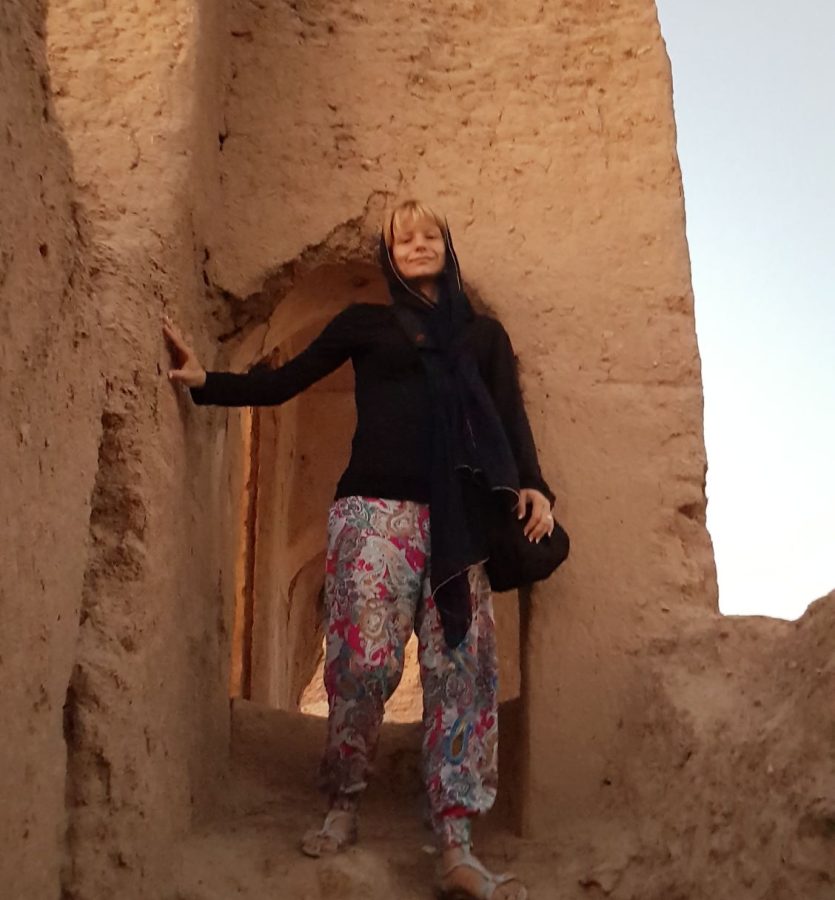
Visiting Old Deyhuk offers an opportunity to witness and appreciate traditional Iranian architecture and lifestyle. The mud brick houses of the village, some dating back hundreds of years, provide a glimpse into Iran’s past. The dedication to preserving these structures highlights the importance of architectural heritage in understanding and appreciating cultural histories.

Additionally, the village’s setting is described as stunning, providing a serene and picturesque backdrop for visitors. The contrast between the old village and the new town built by the government nearby adds to the uniqueness of the experience.

Overall, a visit to Old Deyhuk is not just a journey to a destination but an immersive experience into the resilience of cultural heritage and the beauty of traditional Iranian architecture and lifestyle

How to get to Old Deyhuk village by Air, Bus , car or train.

Unfortunately, there aren’t any direct connections to Old Deyhuk village (Deyhuk-e Kohneh) from Tehran by airplane, bus, or train. Old Deyhuk is a small village in South Khorasan province, quite remote from major transportation hubs. However, there are ways to reach it with some transfers:

By Plane and Bus:

  1. Fly to Mashhad Airport: Mashhad International Airport ( مشهد, مشهد) is the closest airport to Deyhuk village,around 350 km away. Several airlines operate regular flights from Tehran to Mashhad, taking about 1 hour 15 minutes. You can find flights on Google Flights or Skyscanner.
     
  2. Take a Bus to Birjand: From Mashhad, you can take a bus to Birjand, the capital of South Khorasan province.Buses depart frequently throughout the day, and the journey takes approximately 4-5 hours. Check schedules and book tickets online on Rio2Rome or Ghavam Gostar websites.
  3. Hire a Taxi to Deyhuk Village: From Birjand, you’ll need to hire a taxi or arrange private transportation to reach Old Deyhuk. The village is off the main road, and the journey should take around 1-2 hours depending on road conditions.

By Train and Bus:

  1. Take a Train to Tabas: While there’s no direct train connection from Tehran to Birjand, you can take a train to Tabas, another city in South Khorasan, situated closer to Deyhuk than Birjand. Trains depart from Tehran Shahid Beheshti Train Station (راه آهن تهران) and take around 12-14 hours. Check schedules and book tickets on Raja Rail website.
     
  2. Take a Bus to Deyhuk: From Tabas, you can find occasional buses heading to Deyhuk village. However, due to the village’s small size, buses might not be very frequent. This option might require further inquiries and flexibility in your travel plans.

Conseils supplémentaires :

  • Consider renting a car in Mashhad or Birjand if you prefer more flexibility and control over your itinerary. This could be especially helpful if you plan to explore the surrounding areas beyond Deyhuk.
  • Be prepared for limited English communication in smaller towns and villages. Learning a few basic Farsi phrases can be helpful.
  • Accommodation options in Deyhuk village might be limited. Consider staying in Birjand or Tabas and making day trips to the village.

Remember, traveling to remote areas like Deyhuk village requires flexibility and adaptability. Embrace the adventure and enjoy the scenic journey through the deserts and mountains of South Khorasan!

How to get around Old Deyhuk village

Getting Around Old Deyhuk Village: A Guide to Local Transportation

Old Deyhuk village, nestled amidst the scenic deserts and mountains of South Khorasan, offers a glimpse into rural Iranian life. While public transportation options within the village itself are limited, here’s a breakdown of your potential travel options:

1. La marche : This is the most recommended and authentic way to explore the village. Its small size and close-knit community make it easy to navigate on foot, allowing you to soak in the local atmosphere and connect with residents.

2. Taxis: Shared taxis are occasionally available within the village or to nearby towns like Deyhuk-e Jadid (New Deyhuk). They usually operate along set routes and pick up passengers along the way. Haggling over the fare is common, so be prepared to negotiate.

3. Minibuses: Minibuses are less frequent but offer a cheaper option than taxis. They typically follow fixed routes and schedules, though flexibility is key in rural areas. Inquire at local shops or ask villagers about minibus availability to your desired location.

4. Car Rental: Renting a car in Birjand or Tabas could be an option if you prefer more independence and flexibility. However, driving in rural areas requires caution due to potentially unpaved roads and limited signage. Ensure you have a reliable map or GPS and are comfortable navigating unfamiliar terrain.

5. Hitchhiking: While not as common in Iran as in other countries, hitchhiking is sometimes practiced in rural areas. However, it’s important to exercise caution and only accept rides from people you trust.

Conseils supplémentaires :

  • Public transportation schedules and availability can be unpredictable, especially for smaller villages like Old Deyhuk. Be prepared for wait times and adjust your plans accordingly.
  • Learning basic Farsi phrases can be helpful for communication with locals and inquiring about transportation options.
  • Consider the weather conditions and dress appropriately. The desert climate can be hot and dusty, so comfortable shoes and sun protection are essential.

Remember, Old Deyhuk village offers a unique opportunity to experience rural Iranian life. Embrace the slower pace, explore on foot, and connect with the friendly locals. With a bit of flexibility and cultural sensitivity, your trip to this charming village will be a truly memorable experience.

Conseil bonus : If you’re interested in exploring beyond the village, consider joining a local tour or hiring a guide. They can provide valuable insights into the region’s history and culture, while ensuring a safe and enjoyable journey.

I hope this information helps you plan your transportation within Old Deyhuk village. Have a wonderful time exploring this hidden gem of South Khorasan

What to eat and where to find good food in Old Deyhuk village.

Unfortunately, due to Old Deyhuk village’s small size and rural location, information about specific restaurants and their addresses might be limited. However, I can share some insights into the traditional local foods you can expect to encounter in the village and surrounding areas:

Délices incontournables :

  • Ghormeh Sabzi : This hearty stew features stewed greens (spinach, parsley, fenugreek) along with lamb or beef, dried limes, and spices. A staple in Iranian cuisine, it’s sure to warm your soul.
  • Gheimeh Bademjan: Another beloved dish, this stew combines tender pieces of lamb or chicken with fried eggplants, tomatoes, and a flavorful saffron-lime sauce.
  • Dizi : This traditional slow-cooked stew, often served in clay pots, features lamb or beef cooked with chickpeas, potatoes, and vegetables. It’s a communal dish best enjoyed with fresh bread.
  • Nan-e Sangak: This flatbread, baked on hot stones, is a staple accompaniment to most meals. Its unique texture and smoky flavor add a touch of rustic charm.
  • Tahdig : The crispy rice crust at the bottom of the pot is a cherished element of many Iranian meals. Don’t be surprised if your hosts offer you the prized “tahdig” as a special treat.

Additional Local Specialities:

  • Kashk: Fermented yogurt whey often used in dishes like Kashk Bademjan (a creamy eggplant dish) or to add tangy notes to stews.
  • Adas Polo: Lentil rice, a simple yet flavorful dish perfect for vegetarians.
  • Khoresht Ghaure: This sour apricot stew offers a unique and tangy twist on the classic “khoresht” family.
  • Halva : A sweet treat made with flour, sugar, and nuts, available in various flavors like saffron, rosewater, and pistachio.

Finding Food in Old Deyhuk:

While dedicated restaurants might be scarce in the village, experiencing local hospitality is part of the charm. Here’s how to savor authentic Deyhuk flavors:

  • Homestays: Many village homes offer homestay experiences, where you can enjoy delicious home-cooked meals prepared with fresh local ingredients.
  • Commerces locaux : Small shops or bakeries might offer basic snacks and meals like fresh bread, kebabs, or local dishes.
  • Village Gatherings: If you’re fortunate enough to be invited to a local gathering, don’t hesitate to try the food offered. It’s a heartwarming way to connect with the community and experience their culinary traditions firsthand.

Remember, the beauty of exploring rural areas like Old Deyhuk lies in embracing the unexpected. Be open to trying new things, talking to locals, and experiencing the warmth of Iranian hospitality. You might just discover your new favorite dish!

Conseil bonus : Consider learning some basic Farsi phrases related to food, like “khooshmaze bud” (delicious) or “mamnoon az shoma” (thank you). These simple gestures of appreciation will go a long way in connecting with the locals over shared meals.

I hope this information helps you navigate the culinary landscape of Old Deyhuk village. May your journey be filled with delicious discoveries and meaningful connections

Safe travel in Old Deyhuk village

Ensuring Safety in Old Deyhuk: A Traveler’s Guide

The remote charm of Old Deyhuk village offers a unique glimpse into rural Iranian life. While inherently safe, here are some best practices to ensure a smooth and worry-free journey:

Sécurité générale :

  • Inscrivez-vous auprès de votre ambassade : Informez votre ambassade ou votre consulat de vos projets de voyage et de votre itinéraire. Ils pourront ainsi vous aider en cas d'urgence.
  • Soyez conscient de votre environnement : Stay vigilant in crowded areas and be careful of pickpockets.
  • Respectez les coutumes locales : Dress modestly, especially in religious places. Avoid public displays of affection.
  • Apprendre les rudiments du farsi : Connaître quelques phrases clés peut vous aider à communiquer et à naviguer en toute confiance. Pensez à télécharger des applications de traduction comme Google Translate pour une utilisation hors ligne.
  • Souscrivez une assurance voyage : Souscrivez une assurance voyage complète qui couvre les urgences médicales, les annulations de voyage et la perte de bagages.

Traveling to Old Deyhuk:

  • Utiliser des moyens de transport autorisés : Stick to licensed taxis, buses, or car rentals when traveling from larger cities like Birjand or Tabas to Old Deyhuk. Avoid getting into unmarked vehicles.
  • Conservez vos objets de valeur en toute sécurité : Conservez votre passeport, votre argent et vos documents importants dans un endroit sûr, comme une ceinture porte-billets ou un coffre-fort d'hôtel.
  • Télécharger des cartes hors ligne : Download Google Maps or other navigational apps for offline use, especially in rural areas with limited internet connectivity.

Safety in Old Deyhuk Village:

  • Local Security: While no specific police station addresses are available for Old Deyhuk due to its small size,you can seek assistance from village elders or community leaders. Local authorities in nearby Deyhuk-e Jadid (New Deyhuk) are a further option:
    • Deyhuk-e Jadid Police Station: Deyhuk-e Jadid, South Khorasan Province. Phone: +98 57 3234 2010
  • Soyez attentif à votre environnement : While the village is generally safe, stay cautious at night, especially when unfamiliar with the terrain.
  • Respecter les traditions locales : Demandez la permission avant de prendre des photos de personnes, en particulier de femmes. Respecter les sites et les coutumes religieuses.
  • Faites confiance à votre instinct : Si vous vous sentez mal à l'aise dans une situation, excusez-vous poliment et allez dans un endroit plus sûr.

Conseil bonus : Restez informé des événements actuels et des conseils aux voyageurs pour l'Iran. Visitez le site web de conseils aux voyageurs de votre gouvernement pour obtenir des informations actualisées sur la région.

Remember, Old Deyhuk villagers are known for their warm hospitality. By following these simple precautions and respecting local customs, you can ensure a safe and enjoyable journey through this captivating village. Embrace the opportunity to connect with the community and experience rural Iranian life in its authentic form.

Ressources complémentaires :

  • Google Maps
  • Lonely Planet's Iran Phrasebook (en anglais)

May your exploration of Old Deyhuk be filled with wonder, discovery, and peace of mind!

Important numbers in Old Deyhuk village

Unfortunately, due to Old Deyhuk’s small size and remote location, some of the typical resources you might expect in a larger town are unavailable. However, I can provide you with the closest contacts for relevant services in nearby areas:

Urgences :

  • Police : Dial 112 (available throughout Iran)
  • Deyhuk-e Jadid Police Station: +98 57 3234 2010
  • Birjand Emergency Services: +98 57 3222 1112 (ambulance, fire)

Assistance générale :

  • Deyhuk-e Jadid District Office: Contact information not readily available, inquire at local shops or ask villagers for assistance.
  • Birjand Tourist Information Center: +98 57 3226 2420
  • Tabas Tourist Information Center: +98 57 3254 3418

Transport :

  • Taxis : Haggling over fare is common. Ask villagers or shopkeepers for recommendations.
  • MiniBuses (Dolmush): Schedules and routes might be limited. Inquire at local shops or ask villagers for information.
  • Location de voitures : Available in Birjand and Tabas. Consider international driving permit requirements.

Soins de santé

  • Deyhuk-e Jadid Health Clinic: Contact information not readily available, inquire at local shops or ask villagers for assistance.
  • Birjand Shahid Bahonar Hospital: +98 57 3222 2301
  • Tabas Shahid Modarres Hospital: +98 57 3252 2571

Autres services :

  • Services de traduction : None available in Old Deyhuk. Consider downloading translation apps like Google Translate for offline use.
  • Nearest Airport: Mashhad International Airport ( مشهد, مشهد) – 350 km away.

Conseil bonus :

  • Learn some basic Farsi phrases for communication and emergencies. Consider downloading Farsi phrasebooks or using translation apps like Google Translate for offline use.

Rappelez-vous : Old Deyhuk offers a unique rural experience. Embrace the slower pace, rely on local assistance, and be flexible with your expectations. By respecting local customs and culture, you can ensure a safe and rewarding journey into this charming village.

I hope this information helps you plan your trip to Old Deyhuk village. Have a wonderful and memorable experienc

Money, Banks and Exchange in Old Deyhuk village

Due to Old Deyhuk’s small size and remote location, there are no dedicated banks or money exchange offices within the village itself. However, here’s how you can navigate currency exchange when visiting:

Before your trip:

  • Carry Iranian rials,  Euros, US Dollars, or British Pounds: These currencies are readily accepted for exchange in Iran. ATMs in larger cities like Birjand or Tabas might accept international cards, but carrying cash is best for Old Deyhuk.
  • Consider traveler’s checks or a prepaid currency card: These can be safer alternatives to carrying large amounts of cash.

In Birjand or Tabas:

  • Banks: Look for branches of Melat Bank, Mellat Bank, Saderat Bank, Parsian Bank, or Bank Sepah. These banks offer money exchange services.
  • Money Exchange Bureaus: Look for authorized bureaus displaying clear exchange rates. Avoid street vendors or unofficial exchanges.

Exchanging money in Iran:

  • Monnaie officielle : The official currency of Iran is the Rial (IRR).
  • Fluctuations des taux : Les taux de change en Iran peuvent fluctuer, il convient donc de comparer les taux de change dans différents endroits avant de procéder à l'échange.
  • Documentation : Munissez-vous de votre passeport et d'un visa en cours de validité lorsque vous échangez de l'argent.
  • Recettes : Conservez vos reçus d'échange pour toute transaction future.

Conseils supplémentaires :

  • Negotiate rates at money exchange bureaus, especially for larger amounts.
  • Be mindful of commission fees charged by some exchange providers.
  • Consider exchanging only the amount you need for immediate use.

Rappelez-vous : Old Deyhuk offers a unique opportunity to experience rural Iranian life. Embrace the simplicity and be prepared to manage your cash needs in advance. By exchanging money in larger towns like Birjand or Tabas before heading to the village, you can ensure a smooth and worry-free experience.

I hope this information helps you plan your trip to Old Deyhuk village. Have a wonderful and memorable journey

Social Norms and Etiquette in Old Deyhuk village:

Navigating Old Deyhuk’s Cultural Charm: A Guide to Social Norms and Etiquette

Old Deyhuk village, nestled amidst the beauty of South Khorasan, invites you to experience the warmth and traditions of rural Iran. To ensure a respectful and enriching journey, here’s a guide to navigate the local social norms and etiquette:

Code vestimentaire :

  • La modestie est essentielle : Les hommes et les femmes doivent s'habiller modestement. Pour les femmes, cela signifie qu'elles doivent se couvrir les épaules et les genoux et éviter les vêtements révélateurs comme les débardeurs, les shorts ou les hauts décolletés. Les hommes doivent éviter les chemises sans manches et les shorts.
  • Tenue respectueuse : Choose clean and neat clothing, avoiding overly casual or offensive outfits. Headscarves are not mandatory for foreign women, but carrying one as a sign of respect during religious visits is appreciated.
  • S'adapter à l'occasion : Pour les sites religieux ou les réunions officielles, la tenue vestimentaire est un peu plus formelle.

Interactions sociales :

  • Salutations : Un "Salam" (Bonjour) chaleureux accompagné d'un léger hochement de tête est la formule de salutation habituelle. Dans les contextes formels, les poignées de main sont courantes. Lorsque vous vous adressez à des personnes âgées, utilisez "Agha" (Monsieur) ou "Khanom" (Madame) avant leur nom.
  • Langage corporel : Évitez les démonstrations d'affection en public. Maintenez une distance confortable pendant les conversations, en particulier avec le sexe opposé. Pointer directement quelqu'un du doigt est considéré comme une impolitesse.
  • Photographie : Demandez toujours la permission avant de prendre des photos de personnes, en particulier de femmes. Une discrétion respectueuse est essentielle lors de la visite de sites religieux.

Communication :

  • Apprendre les rudiments du farsi : Quelques phrases clés peuvent faire beaucoup ! Voici 10 phrases utiles :
    • Salam (Bonjour)
    • Chetor hastid (Comment allez-vous ?)
    • Mamnoon (Merci)
    • Lotfan... (S'il vous plaît...)
    • Beheshid (Excusez-moi)
    • Nemifahmam (je ne comprends pas)
    • Kelidon bah Farsi ra behtar khondam ? (Parlez-vous anglais ?)
    • Khoda hafez (Au revoir)
    • Be omid-e didar (J'espère vous revoir)
    • Man mehman hastem (Je suis un invité)
  • Gestes : Un sourire amical et un signe de tête sont toujours appréciés. Utilisez les gestes avec parcimonie, car certains peuvent avoir une signification différente de celle de votre culture.
  • La patience : Ne soyez pas surpris si les conversations semblent plus lentes que d'habitude. Prenez le temps de comprendre et de vous exprimer, et appréciez l'effort de connexion.

Conseil bonus : Observez les habitants et adaptez votre comportement en conséquence. Vous respecterez ainsi leur culture et vivrez une expérience plus authentique.

Rappelez-vous : Old Deyhuk’s welcoming community thrives on hospitality and cultural exchange. By practicing these simple guidelines, you can ensure a respectful and enriching journey, forging meaningful connections with its residents.

Ressources complémentaires :

  • Google Translate
  • Lonely Planet's Iran Phrasebook (en anglais)

May your exploration of Old Deyhuk be filled with wonder, discovery, and unforgettable encounters

Si vous avez des questions, appelez-nous 24 heures sur 24, 7 jours sur 7, à l'adresse suivante : +989174257008 - Email : info@IranTravelingCenter.com

Why to visit Old Deyhuk desert village?

Old Deyhuk is a city in the Deyhuk District of Tabas County, located in the South Khorasan Province of Iran. This region is notable for its historical significance and unique geographical setting, as it’s situated near the expansive Lut desert and north of Mashhad. The area has a rich history and has undergone various administrative changes over the years. It’s part of a province known for its diverse and interesting sights, such as hot springs, historical mosques, citadels, and gardens​​.

Regarding travel to the region, Shiraz, a city in Iran relatively close to Old Deyhuk, offers a vibrant array of local foods, restaurants, and cultural experiences. Visitors to Shiraz can enjoy traditional dishes like Kebab with rice, Shirazi Salad, and Kalam polo. The city is also home to a variety of restaurants and cafes that cater to a range of tastes, offering both local Iranian and international cuisine. For those interested in exploring the area around Shiraz, there are several food gardens and places to enjoy live music in the evenings. Shiraz is also accessible by air, with its international airport offering flights to major cities within Iran and international destinations​​.

While Old Deyhuk itself might not have the same level of tourist infrastructure as Shiraz, its proximity to such culturally rich areas makes it an intriguing destination for those interested in exploring the historical and cultural landscapes of Iran.

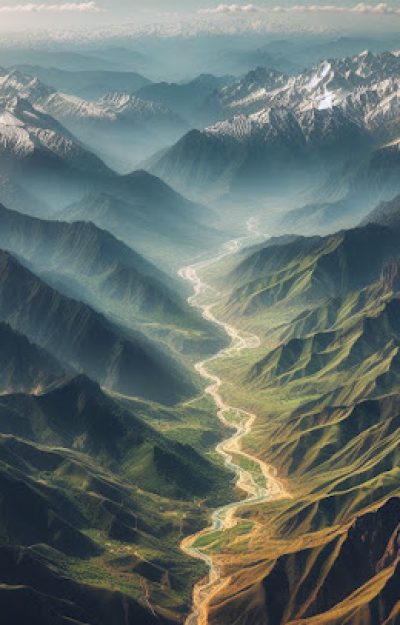
Scenic view of Deyhuk village in South Khorasan, Iran, featuring traditional adobe houses, desert landscape, and distant mountain ranges under a clear blue sky

Explorez l'Iran, participez à une visite à pied quotidienne ou rejoignez-nous pour un voyage de plusieurs jours.

Les cartes de la ville

Quelques lieux d'hébergement.

Maison traditionnelle de Chapileh / Deyhuk

Province du Khorasan du Sud, Deyhuk, AH78, Iran

Quelques endroits qui valent la peine d'être visités.

Réservez un hôtel, une voiture ou un transfert en Iran

Ligne d'assistance téléphonique pour les réservations 24 heures sur 24, 7 jours sur 7 : +989174257008 - Courriel : info@IranTravelingCenter.com

spa & wellness

DÉTENDEZ-VOUS avec un massage ou un sauna

Un massage relaxant serait une bonne façon de terminer une journée de voyage.

connectez-vous avec nous

Comment prendre contact

notre personnel

Quels que soient vos besoins en matière de jouets, nous sommes là pour vous. N'hésitez pas à nous contacter si vous avez des questions.

CEO & Owner of agency
Hassan Abdolahi
Tour manager
(305) 343 6873
Pari Abdolahi
Bureau d'information
(305) 321 7897