

point fort de l'iran

Persepolis

In the heart of Iran, the majestic ruins of Persepolis stand resilient, whispering tales of a bygone empire that once stretched its benevolent arms from the Indus Valley to the sultry Mediterranean, weaving a rich tapestry of diverse cultures, prolific art, and astute governance. As one meanders through the ornate remnants, the echoes of ancient ceremonies, diplomatic envoys, and the meticulous strokes of artisans carving history into soft stone dance through the air, bridging epochs and inviting the soul to commune with the splendid spirit of the Achaemenid Empire.


Persepolis

The land of architecture and art

Embarking on a journey through the rich tapestry of Iran’s historical tapestry, one cannot neglect the majestic ruins of Persepolis, which stands as an eloquent testament to the grandeur and intricacy of Persian civilization. Located approximately 60 kilometers northeast of the city of Shiraz in the Fars Province, Persepolis, or “Pārsa” as it was originally named in Old Persian, unfolds a splendid panorama of the ancient Achaemenid Empire.

How to get to Persepolis by Air, Bus , car or train.

Unveiling Persepolis: Your Guide to Getting There from Tehran

Persepolis, the majestic ancient city carved into a cliff face, beckons travelers with its whispers of history and architectural marvels. Getting from Tehran to Persepolis involves choosing the mode of transportation that best suits your budget, time constraints, and desire for scenic adventures. Here’s a breakdown of your options:

En avion :

  • Le plus rapide et le plus pratique : Take a flight from Tehran Mehrabad Airport (THR) or Imam Khomeini International Airport (IKA) to Shiraz Airport (SYZ). The flight time is around 1 hour.


  • Plusieurs compagnies aériennes : Iran Air, Mahan Air, and Aseman Airlines offer frequent flights between Tehran and Shiraz, with several departures daily.
  • Prix : Ticket prices can vary depending on the airline, date, and time of booking. Expect to pay anywhere from $60 to $200 (USD) for a one-way trip.
  • Getting to Persepolis: Upon arrival in Shiraz, you’ll need to arrange further transportation to Persepolis, located about 70 km away.Taxis, ride-sharing apps like Snapp, or organized tours are available.

En bus :

  • Abordable et pittoresque : Several bus companies operate routes between Tehran and Shiraz, offering a more budget-friendly option.The journey takes approximately 12-15 hours, providing a chance to witness the changing landscapes along the way.
  • Options confortables : Seiro Safar is a popular bus company known for its modern and comfortable coaches. They offer several daily departures from Tehran to Shiraz.
  • Prix : Bus tickets typically cost around $15-20 (USD) for a one-way trip.
  • Getting to Persepolis: Similar to flights, you’ll need to arrange separate transportation from Shiraz to Persepolis upon arrival.

En train :

  • Une expérience unique : While not the fastest option, taking the train from Tehran to Shiraz offers a unique travel experience, allowing you to soak in the scenery and observe local life. The journey takes approximately 14-16 hours.
  • Horaire limité : Train services between Tehran and Shiraz are not as frequent as buses or flights, so planning is crucial.
  • Prix : Train tickets are generally the cheapest option, costing around $10-15 (USD) for a one-way trip.
  • Getting to Persepolis: As with buses and flights, you’ll need to arrange separate transportation from Shiraz to Persepolis upon arrival.

Conseils supplémentaires :

  • Consider your priorities when choosing the best mode of transportation. If time is of the essence, flying is the most convenient option. If you’re on a budget or enjoy scenic journeys,buses or trains might be better choices.
  • Réservez vos billets à l'avance, surtout en haute saison ou pour les vols.
  • Préparez-vous à d'éventuels retards, surtout si vous voyagez en bus ou en train.
  • Pour les vols et les bus, faites des valises légères, car l'espace pour les bagages peut être limité.
  • Emportez des en-cas et de l'eau pour les longs trajets.
  • Familiarisez-vous avec des phrases de base en farsi, car l'anglais n'est pas toujours très répandu dans les zones rurales.

With careful planning and these helpful tips, your journey from Tehran to Persepolis will be smooth and enjoyable, paving the way for an unforgettable experience at this legendary site.

May your exploration of Persepolis be filled with wonder, awe, and a deeper understanding of ancient civilizations!

Conseil bonus : Consider joining an organized tour from Tehran that includes transportation, guided tours of Persepolis and other historical sites in Shiraz, and accommodation. This can be a convenient and enriching option, especially if you’re unfamiliar with the area

How to get around in Persepolis

Unfortunately, Persepolis itself lacks public transportation options like taxis, buses, or mini-buses. The ancient city lies about 60 km away from the nearest city, Shiraz, and its vast archaeological site is best explored on foot.

However, to get around from Shiraz to Persepolis and within the Persepolis complex, you have various options:

From Shiraz to Persepolis:

  • Taxis : The most convenient option is to hire a taxi directly from Shiraz, either privately or through ride-sharing apps like Snapp. Negotiate the fare beforehand and ensure the driver is familiar with the route.
  • Tours: Organized tours from Shiraz typically include transportation to and from Persepolis, making it a hassle-free option. You can choose half-day or full-day tours with additional stops at nearby historical sites like Naqsh-e Rustam.
  • Taxis partagés : From Shiraz’s Shahsad Stadium bus terminal, you might find shared taxis heading towards Marvdasht, a town near Persepolis. This option is budget-friendly but slower and less reliable.

Within Persepolis Complex:

  • La marche : The main areas of Persepolis are covered on foot, offering the best way to appreciate the architectural details and immerse yourself in the historical atmosphere. Wear comfortable shoes as the grounds can be uneven.
  • Electric Carts: For those with limited mobility or wanting a break from walking, electric carts are available for rent within the complex. The cost is minimal and provides a convenient way to navigate the larger areas.

Conseils supplémentaires :

  • Consider car rentals in Shiraz if you plan to explore nearby areas beyond Persepolis.
  • Download offline maps of the Persepolis complex for easy navigation.
  • Wear comfortable shoes and appropriate clothing as the site can be quite hot and sunny.
  • Bring water and snacks as there are limited food and beverage options within the complex.
  • Respect the archaeological site and refrain from touching or climbing on the structures.

Remember, while Persepolis may lack internal public transportation, the various options from Shiraz offer convenient and comfortable ways to reach and explore this magnificent ancient city. Plan your trip in advance, choose the mode of transportation that best suits your needs, and prepare for a captivating journey through history

What to eat and where to find good food in Persepolis.

While Persepolis itself, being an ancient archaeological site, doesn’t have its own distinct cuisine, the nearby city of Shiraz, considered the heart of Fars province, offers a delicious array of traditional local foods you can savor after your exploration. Here are some popular dishes and restaurants to try:

Délices incontournables :

  • Abgoosht : This hearty stew, a staple in Iranian cuisine, features tender lamb, chickpeas,potatoes, vegetables, and a flavorful broth, perfect for warming you up after a chilly day.
  • Khoresht Gheimeh: This aromatic stew simmered with lamb or beef, yellow split peas, dried limes, and turmeric offers a tangy and flavorful experience.
  • Falafel : Crispy chickpea fritters served with fresh herbs, cucumber, yogurt, and pita bread,perfect for a light lunch or vegetarian alternative.
  • Salade Shirazi : A refreshing salad featuring juicy tomatoes, cucumbers, radishes, and fragrant herbs like mint and tarragon, dressed with a tangy lime and olive oil mixture.
  • Halva Shirazi: This unique take on halva uses chickpea flour and rosewater, creating a dense and flavorful dessert with a subtle floral aroma.

Popular Restaurants in Shiraz:

  • Chehel Khan: Housed in a traditional caravanserai, Chehel Khan offers an elegant ambiance and an extensive menu featuring local Shirazi and Fars dishes. Try their signature Abgoosht or Zereshk Polo (barberry rice) with saffron chicken. Address: No. 56, Lotf Ali Khan Zand St., Shiraz, Iran.

     
  • Hafez Restaurant: Enjoy breathtaking views of the Tomb of Hafez while indulging in delicious Shirazi delicacies at Hafez Restaurant. Their Khoresht Gheimeh and Tahdig (crispy rice crust) are crowd favorites. Address: No. 36, Hafezieh St., Shiraz, Iran.

  • Shash Jan: For a casual and budget-friendly option, Shash Jan serves up authentic street food and local favorites like Falafel, Kubideh (skewered grilled minced meat), and Baghali Polo (broad bean rice). Address: No. 82, Karim Khan Zand St., Shiraz, Iran.

  • Sholeh Ghermeh: Experience traditional Shirazi home-cooked meals at Sholeh Ghermeh. Their warm hospitality and dishes like Kooloo (stuffed zucchini) and Tahchin (saffron rice cake) will leave you wanting more. Address: No. 4, Molavi St., Shiraz, Iran.

Conseil bonus : Explore local bazaars and street vendors for hidden gems serving Khomirdi (crispy flatbread with sesame seeds), Baklava, and other local treats.

Remember, the best way to savor the culinary scene in Shiraz is to be adventurous and try something new. With its vibrant and diverse flavors, Shirazi cuisine is sure to tantalize your taste buds and create lasting memories of your journey through Persepolis and its surroundings.

May your exploration of Shiraz and its culinary delights be filled with flavor, discovery, and warm hospitality

Safe travel in Persepolis

While Persepolis itself is a relatively safe area, its proximity to Shiraz and general travel considerations for Iran warrant some safety precautions. Here’s a guide to ensuring a smooth and worry-free journey:

Sécurité générale :

  • Inscrivez-vous auprès de votre ambassade : Informez votre ambassade ou votre consulat de vos projets de voyage et de votre itinéraire. Ils pourront ainsi vous aider en cas d'urgence.
  • Soyez conscient de votre environnement : Stay vigilant while in crowded areas, especially near the ticket kiosks or entrance of the archaeological site. Petty theft can occur, although it’s not widespread.
  • Respectez les coutumes locales : Dress modestly, even at the Persepolis site. Avoid public displays of affection.
  • Apprendre les rudiments du farsi : Knowing a few key phrases can help you communicate and navigate better. Consider downloading translation apps like Google Translate for offline use.
  • Souscrivez une assurance voyage : Souscrivez une assurance voyage complète qui couvre les urgences médicales, les annulations de voyage et la perte de bagages.

Traveling to Persepolis:

  • Utiliser des moyens de transport autorisés : Stick to licensed taxis, buses, or car rentals when traveling to Persepolis from Shiraz. Avoid getting into unmarked vehicles.
  • Conservez vos objets de valeur en toute sécurité : Conservez votre passeport, votre argent et vos documents importants dans un endroit sûr, comme une ceinture porte-billets ou un coffre-fort d'hôtel.
  • Télécharger des cartes hors ligne : Download Google Maps or other navigational apps with offline functionality, as internet connectivity within the complex might be limited.

Safety in Persepolis:

  • Police locale : Although there isn’t a dedicated police station within the Persepolis archaeological complex, security personnel are present throughout.
  • Shiraz Police: In case of emergencies, contact the Shiraz Police Department: No. 110 (available throughout Iran) or +98 713 221 1110 (Shiraz Central Police Station, No. 39, Vali Asr St., Shiraz)
  • Soyez attentif à votre environnement : While generally safe, stay cautious at dusk or after dark,especially when leaving the complex.
  • Respect the site: Avoid touching or climbing on ancient structures.
  • Restez hydraté : Carry water, especially during hot weather, as shade options might be limited within the complex.

Conseil bonus : Consider joining a guided tour from Shiraz. Guides can provide valuable insights into the history and culture of Persepolis, and their local knowledge can enhance your experience while offering an added layer of security.

Rappelez-vous : Iranians are known for their warm hospitality. By following these simple precautions and respecting local customs, you can ensure a safe and enjoyable journey through Persepolis, enriching your understanding of this ancient wonder.

May your exploration of Persepolis be filled with awe, historical insights, and lasting memories

Important numbers in Persepolis

While Persepolis itself lacks some facilities like a dedicated police station or bus station, its proximity to Shiraz ensures essential contacts and services are readily available. Here’s a breakdown of crucial numbers you might need during your Persepolis trip:

Urgences :

  • Police : Dial 110 (available throughout Iran) or +98 713 221 1110 (Shiraz Central Police Station,No. 39, Vali Asr St., Shiraz)
  • Service d'incendie : Composez le 125
  • Shiraz General Hospital Ambulance: +98 713 223 2112 (No. 42, Motahari St.)

Assistance générale :

  • Shiraz Tourist Information Center: +98 713 222 3445 (No. 36, Shahid Modarres St.)

     
  • Shiraz Shahsad Stadium Bus Terminal: +98 713 230 1242 (No. 3, Shahid Beheshti Blvd.)

  • Shiraz Airport (SYZ): +98 713 220 0000 (Shahid Beheshti Blvd.)

     
  • Iran Air Shiraz Office: +98 713 220 6171 (No. 3, 22 Bahman St.)

     
  • Mahan Air Shiraz Office: +98 713 220 7171 (No. 29, Shahid Beheshti Blvd.)

     
  • Aseman Airlines Shiraz Office: +98 713 220 8171 (No. 19, 22 Bahman St.)

Soins de santé

  • Shiraz General Hospital: +98 713 223 2000 (No. 42, Motahari St.)
  • Hôpital Shahid Madani : +98 713 233 1000 (No. 39, Shahid Madani St.)
  • Hôpital Emam Reza : +98 713 224 3000 (No. 3, Shahid Beheshti Blvd.)
  • Clinique Shahid Motahari : +98 713 225 2000 (No. 26, Motahari St.)
  • Clinique Dr. Alizadeh (en anglais) : +98 713 226 6666 (No. 36, Shahid Beheshti St.)

Services de traduction :

  • Shiraz University Translation Department: +98 713 377 5313 (Shahid Beheshti Blvd.)
  • Agence de traduction Parsine : +98 713 223 0303 (No. 31, Vali Asr St.)
  • Snapp (application pour les taxis avec option en anglais) : Téléchargez l'application pour bénéficier d'une assistance pratique en matière de transport et de traduction.

Conseil bonus : Save these numbers on your phone or write them down in a readily accessible place. Download offline maps and translation apps like Google Translate for backup.

Remember, while Persepolis itself may not have all the amenities readily available, nearby Shiraz offers a comprehensive network of support services. By being prepared and knowing who to contact, you can ensure a smooth and worry-free experience during your exploration of this ancient wonder.

May your journey to Persepolis be filled with awe, discovery, and peace of mind

Money, Banks and Exchange in Persepolis

Persepolis, being an ancient archaeological site, lacks dedicated banks or money exchange offices within its vicinity. However, the proximity to Shiraz ensures convenient access to financial services. Here’s a guide to navigating currency exchange near Persepolis:

Main Banks and Money Exchange Places in Shiraz:

  • Banks: Several major banks operate in Shiraz, offering currency exchange services. Look for branches of Melat Bank, Mellat Bank, Saderat Bank, Parsian Bank, and Bank Sepah. These banks typically offer competitive exchange rates and reliable service.
     
  • Money Exchange Bureaus: Several authorized money exchange bureaus operate in Shiraz,often offering slightly higher exchange rates than banks. Look for bureaus with clear displays of exchange rates and licenses. Some recommended options include:
    • Sarrafi Golzar: No. 48, Vali Asr St.
    • Sarrafi Parvin: No. 39, Vali Asr St.
    • Sarrafi Shams: No. 32, Vali Asr St.

What You Need to Know When Exchanging Money in Iran:

  • Monnaie officielle : The official currency of Iran is the Rial (IRR).
  • Fluctuations des taux : Les taux de change en Iran peuvent fluctuer, il convient donc de comparer les taux de change dans différents endroits avant de procéder à l'échange.
  • Documentation : Carry your passport and a valid visa when exchanging money. Banks might require additional documents like flight tickets or proof of accommodation.
  • Recettes : Conservez vos reçus d'échange pour toute transaction future.
  • L'argent liquide est roi : While some ATMs might accept international cards, carrying cash in Euros, US Dollars, or British Pounds is recommended for easier exchange.
  • Negotiate: Negotiation is common at money exchange bureaus, especially for larger amounts.

Conseils supplémentaires :

  • Consider using online currency exchange platforms like Wise or WorldRemit for competitive rates and convenient transfers before your trip.
  • Change only what you need for immediate expenses, as exchanging back to a foreign currency might incur additional fees.
  • Familiarize yourself with bank opening hours, as they may differ from your home country.

Rappelez-vous : By planning ahead and understanding the basics of currency exchange in Iran, you can ensure a smooth and financially secure journey to Persepolis.

May your exploration of this ancient city be enriched by cultural insights and peace of mind

Social Norms and Etiquette in Persepolis:

While Persepolis itself is an archaeological site and doesn’t have a resident population, its proximity to Shiraz necessitates understanding local social norms and etiquette. Here’s a guide to navigate cultural expectations and create a respectful and enriching experience:

Code vestimentaire :

  • Modestie : Both men and women should dress modestly. Aim for clothing that covers shoulders and knees. For women, avoid revealing outfits like tank tops, shorts, or low-cut tops. Men should avoid sleeveless shirts and shorts.
  • Tenue respectueuse : Opt for clean and neat clothing, avoiding overly casual or offensive outfits. Headscarves are not mandatory for foreign women, but carrying one for religious visits is appreciated.
  • Protection solaire : Persepolis lies under the hot Iranian sun. Wear sunscreen, sunglasses, and a hat for sun protection.

Interactions sociales :

  • Salutations : Un "Salam" (Bonjour) chaleureux accompagné d'un léger hochement de tête est la formule de salutation habituelle. Dans les contextes formels, les poignées de main sont courantes. Lorsque vous vous adressez à des personnes âgées, utilisez "Agha" (Monsieur) ou "Khanom" (Madame) avant leur nom.
  • Langage corporel : Évitez les démonstrations d'affection en public. Maintenez une distance confortable pendant les conversations, en particulier avec le sexe opposé. Pointer directement quelqu'un du doigt est considéré comme impoli.
  • Photographie : Always ask permission before taking photos of people, especially women.Respectful discretion is essential when visiting religious sites.

Communication :

  • Apprendre les rudiments du farsi : Quelques phrases clés peuvent faire beaucoup ! Voici 10 phrases utiles :
    • Salam (Bonjour)
    • Chetor hastid (Comment allez-vous ?)
    • Mamnoon (Merci)
    • Lotfan... (S'il vous plaît...)
    • Beheshid (Excusez-moi)
    • Nemifahmam (je ne comprends pas)
    • Kelidon bah Farsi ra behtar khondam ? (Parlez-vous anglais ?)
    • Khoda hafez (Au revoir)
    • Be omid-e didar (J'espère vous revoir)
    • Man mehman hastem (Je suis un invité)
  • Gestes : Un sourire amical et un signe de tête sont toujours appréciés. Utilisez les gestes avec parcimonie, car certains peuvent avoir une signification différente de celle de votre culture.
  • La patience : Ne soyez pas surpris si les conversations semblent plus lentes que d'habitude. Prenez le temps de comprendre et de vous exprimer, et appréciez l'effort de connexion.

Conseil bonus : Observez les habitants et adaptez votre comportement en conséquence. Vous respecterez ainsi leur culture et vivrez une expérience plus authentique.

Rappelez-vous : Iranians are known for their warm hospitality. By practicing these simple guidelines and respecting local customs, you can ensure a respectful and enriching journey through Persepolis, gaining deeper insights into its history and culture.

May your exploration be filled with wonder, discovery, and meaningful connections

Si vous avez des questions, appelez-nous 24 heures sur 24, 7 jours sur 7, à l'adresse suivante : +989174257008 - Email : info@IranTravelingCenter.com

Why to visit Persepolis?

Constructed under the vigilant aegis of Darius I and further developed by his successors, Xerxes and Artaxerxes, during the period of approximately 520 to 330 BCE, Persepolis stands as a magnificent manifestation of the Achaemenid style of art and architecture. The grandiosity of its ruins bespeaks a civilization deeply engrossed in aesthetic pursuits and administrative finesse. The city was once the ceremonial capital of the Persian Empire and played a pivotal role in the administration and governance of the vast Achaemenid territory, reflecting a zenith of cultural and political ascendancy.

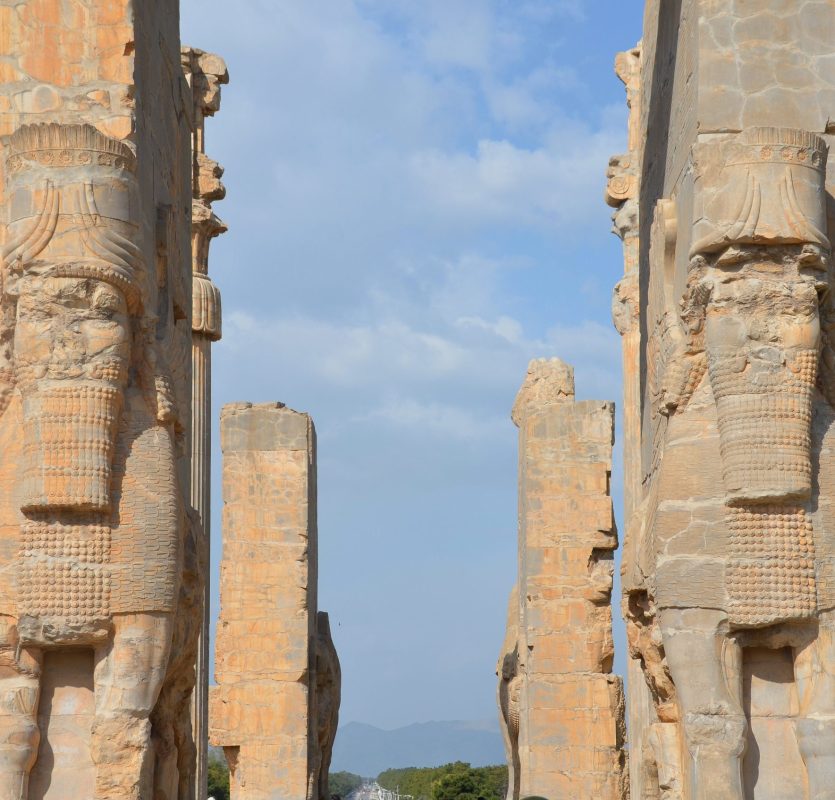
A stroll through the remnants of Persepolis takes the visitor on a journey back in time, where each stone whispers tales of bygone eras, of kings and warriors, artisans, and laborers who once breathed life into the ornate walls and robust columns. The “Gate of All Nations” extends a silent, yet grand welcome with its colossal, hybrid statues, blending the body of a bull with the head of a bearded man, introducing one to the harmonious amalgamation of power and artistry. The Apadana Palace, with its impressive stairways, unfolds the meticulous and detailed reliefs depicting dignitaries, envoys, and subjects of the empire, each intricately carved figure narrating stories of diversity and unity, pomp, and power.

Persepolis isn’t simply a collection of splendid ruins; it is an archaeological site where every layer of soil breathes tales of conquests, ceremonies, and catastrophic demise when Alexander the Great’s army ruthlessly razed the city. The solemn echoes of its silent stones still seem to mourn the unmeasurable loss of knowledge, art, and history.

Moreover, as a tourist, Persepolis is not merely a visual spectacle but a spiritual and educational journey into a civilization that once straddled the East and the West, forging connections, spawning innovations, and cherishing an unassailable spirit of endurance. Amidst the ruins, one may find a serene communion with the ancients, observing a sky that has witnessed the ebb and flow of empires, gazing upon the same horizons that once inspired poets, philosophers, and monarchs alike.

Visiting Persepolis, with its sprawling compound of palaces, halls, and stairways adorned with meticulous reliefs, is to walk in the footsteps of the kings of antiquity, to feel the pulse of an empire that once swayed the destinies of vast territories from India to Egypt. It is to appreciate the sophistication and grandeur of a civilization deeply immersed in philosophical, artistic, and administrative endeavors, leaving an indelible mark on the annals of human history.

In an era where our collective history is more crucial than ever for mutual understanding and global harmony, visiting such heritage sites serves not only as an enlightening educational experience but also as a gentle reminder of the transience of power and the perpetual endurance of cultural legacy. Indeed, Persepolis is a luminous beacon of Iran’s rich past and a compelling place for any traveler yearning to delve deeper into the history of human civilization.
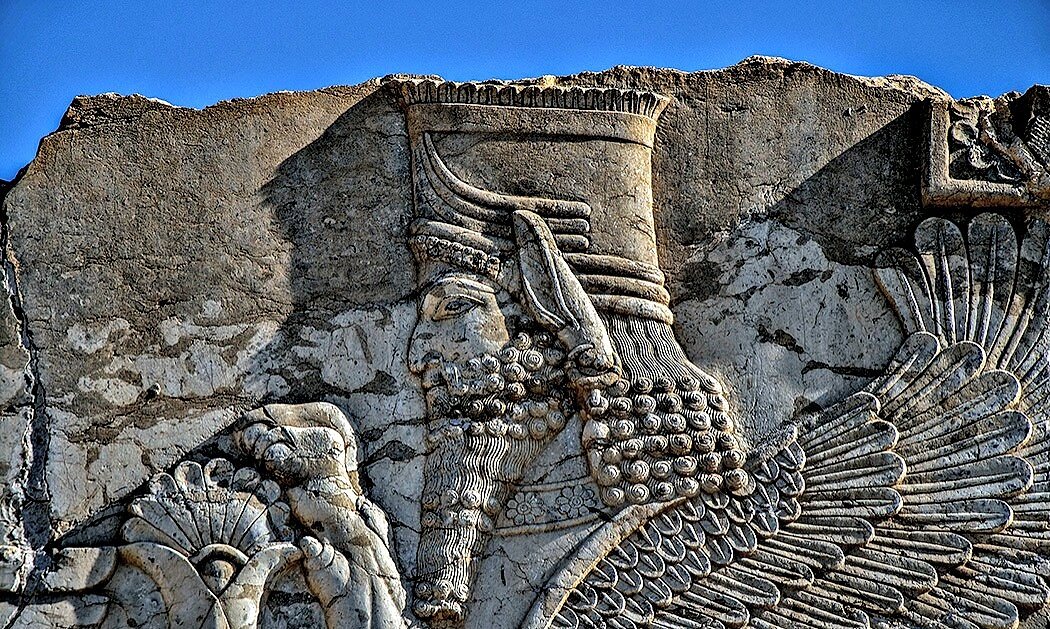
Persepolis, Shiraz

Explorez l'Iran, participez à une visite à pied quotidienne ou rejoignez-nous pour un voyage de plusieurs jours.

Journey of Iran heritages

L'Iran

Iran Classic tour in 12 days

Tehran,Kashan, Isfahan,Yazd, Kerman,shiraz

Iran culinary tour

Iran birdwatching tour

Les cartes de la ville

Quelques lieux d'hébergement.

Hôtel Persepolis Apadana / Shiraz

Province de Fars, Marvdasht, Persepolis Street, Apadana Hotel, Iran

Hôtel touristique de Persépolis / Persépolis

Persepolis Tourist Hotel, خیابان, Takht-e Jamshid, Fars Province, Iran

Auberge Shidgar / Persepolis

Auberge Shidgar, Vali-asr, Province de Fars, Iran

A few nearby places worth a visit.

Persian Gardens

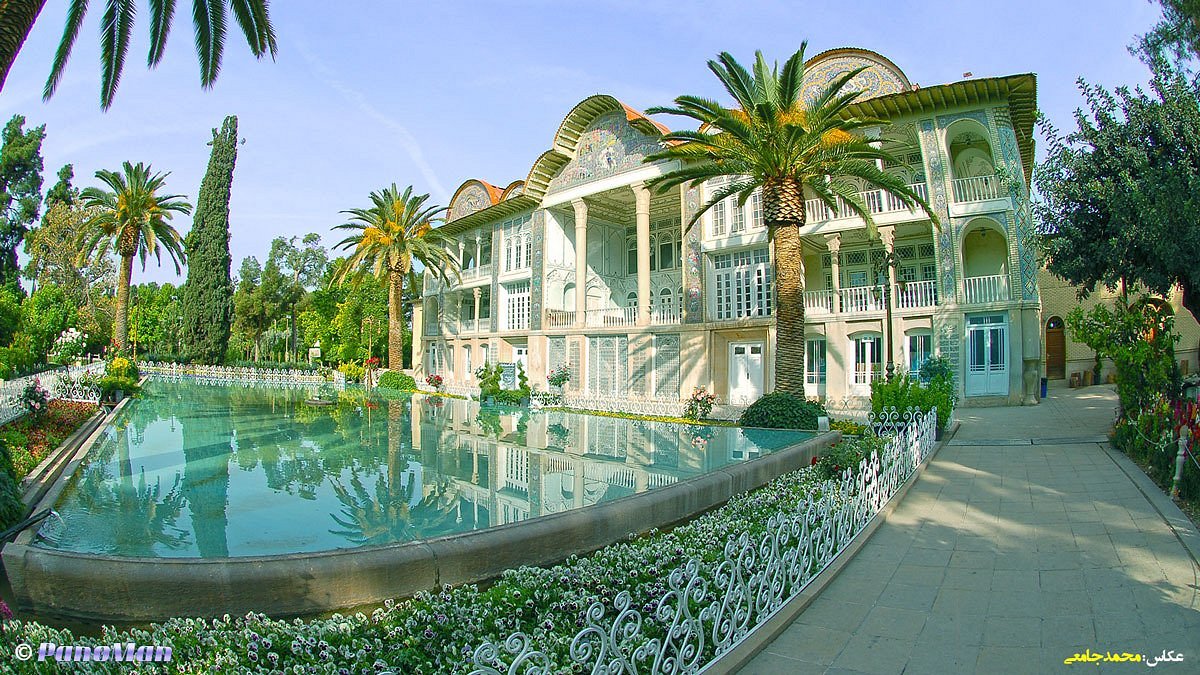
Eram Gardens

Eram Gardens, nestled in the heart of Shiraz, Iran, are a breathtaking oasis of tranquility and beauty. Established in the 19th century, the gardens boast a rich history, having served as a royal retreat and private estate before being transformed into a public park in the 1960s. Today, they offer visitors a chance to wander through meticulously landscaped grounds, marvel at ornate pavilions, and lose themselves in the intoxicating fragrance of countless flowers and trees….
Eram Garden (Bāq e Eram), Shiraz

Sites archéologiques

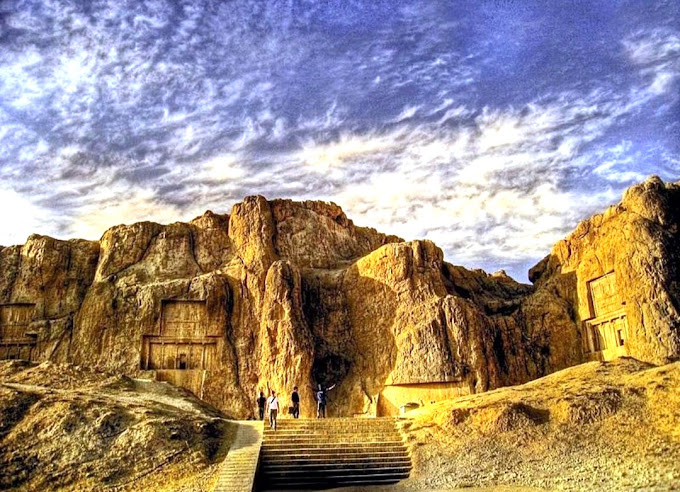
Naqsh-e Rustam necropolis

Naqsh-e Rustam, located in the heart of Iran’s Fars Province, is a mesmerizing historical site that beckons travelers from around the world. This ancient necropolis, shrouded in mystery and history, is a testament to the grandeur of Persia’s past. Carved into the towering cliffs, Naqsh-e Rustam features monumental rock reliefs, royal tombs, and archaeological wonders dating back to the Achaemenid and Sassanid empires. The site’s rich history, stunning rock carvings, and its proximity to other cultural attractions make it a must-visit destination for anyone exploring Iran…

nécropole de naqsh-e rustam shiraz

Sites archéologiques

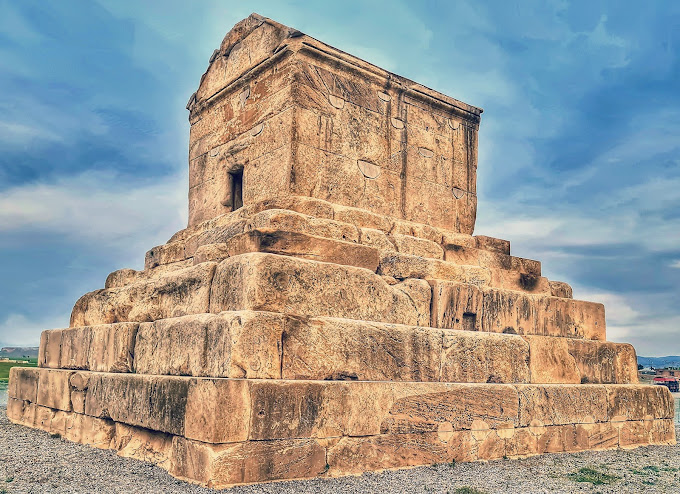
Tomb of Cyrus the Great

This UNESCO World Heritage Site, once the glorious capital of the Achaemenid Empire, is perhaps best known for its crown jewel: the majestic Tomb of Cyrus the Great.Standing tall with its six broad steps and simple yet enigmatic structure, the tomb embodies the essence of Cyrus’s legacy – one of tolerance, leadership, and respect for different cultures…

 
Pasargad (Tombeau de Cyrus)

Poètes

Hafiz mausoleums

Visiting Shiraz: If you’re ever in Shiraz, a visit to Hafiz’s Tomb, known as the Hafezieh, is a must. This beautiful garden complex shelters his sarcophagus, adorned with verses from his poems. Visitors often consult the Divan here, seeking guidance and wisdom through random selections. Many consider Hafiz a Sufi mystic, drawing parallels between his metaphors of wine and love with the pursuit of divine union. However, his interpretations remain open to various perspectives, adding to the allure of his poetry.

Mosquées

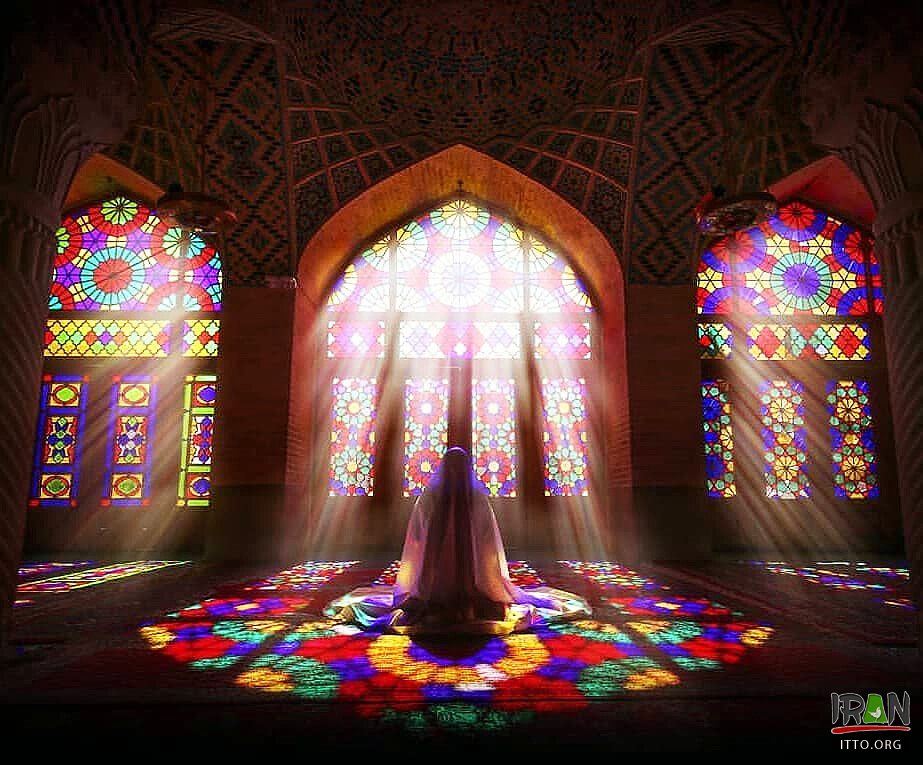
Nasire Al- molk colorful mosque

Nasir-ol-Molk Mosque, also known as the Pink Mosque, is a traditional mosque in Shiraz, Iran. It is located near the Shah Cheragh shrine. It was built during the Qajar dynasty rule of Iran.

The mosque is known for its extensive use of colored glass, which creates a kaleidoscope effect when the sun shines through. The mosque is also notable for its intricate tilework and muqarnas….

Mosquée Nasir al-Mulk, Chiraz

Réservez un hôtel, une voiture ou un transfert en Iran

Ligne d'assistance téléphonique pour les réservations 24 heures sur 24, 7 jours sur 7 : +989174257008 - Courriel : info@IranTravelingCenter.com

spa & wellness

DÉTENDEZ-VOUS avec un massage ou un sauna

Un massage relaxant serait une bonne façon de terminer une journée de voyage.

connectez-vous avec nous

Comment prendre contact

notre personnel

Quels que soient vos besoins en matière de jouets, nous sommes là pour vous. N'hésitez pas à nous contacter si vous avez des questions.

CEO & Owner of agency
Hassan Abdolahi
Tour manager
(305) 343 6873
Pari Abdolahi
Bureau d'information
(305) 321 7897
fr_FRFrançais