
punti salienti dell'iran

Susa

“Susa, where the whispering echoes of ancient empires meander through the resilient ruins and sun-drenched landscapes, invites the soul to wander through a timeless tapestry of history, culture, and undying human endeavors.”


The land of ancient iranian empire.

Susa: A Tapestry of Ancient Splendor and Rich Cultural Heritage

Enveloped in the iridescent embrace of the Zagros Mountains and the fertile Khuzestan plains, the city of Susa in Iran unfolds itself as a magnificent panorama of ancient civilizations and enduring legacies. Susa, or Shush, the antique gem of the Southwest of Iran, extends an invitation to embark upon a journey, where each stone whispers tales from the annals of millennia, eloquently speaking of empires risen and fallen upon this sacred soil.

Susa’s epochal significance is inherently entwined with its status as one of the world’s oldest continuously inhabited cities, its origins stretching seamlessly into the depths of antiquity, reportedly since approximately 4200 BCE. The city witnessed the comings and goings of notable empires such as the Elamites, Persians, and Parthians, which endowed Susa with an incredibly rich and complex cultural, historical, and architectural landscape. It served as a prominent political and cultural center, where rulers, artisans, and ordinary folks wrote the history of the land in a silent yet profoundly articulate language of art, architecture, and societal norms.

How to get to Shushtar by Air, Bus , car or train.

Traveling to Shushtar from Tehran: Exploring Your Options

Shushtar beckons with its ancient canals and historical splendor, and reaching this gem from Tehran offers exciting choices to suit your travel style and budget. Let’s explore the various transportation options:

By Air:

  • Speed and Convenience: Airlines like Iran Air offer swift connections, whisking you from Tehran Mehrabad Airport (THR) to Dezful Airport (DEF) in approximately 1 hour. Ideal for time-constrained travelers or those who prioritize speed.
  • Cost: Expect fares to range from $40 to $120 USD, depending on the airline and booking time.

In treno:

  • Scenic Adventure: Embark on a 7-10 hour train journey, soaking in the changing landscapes as you chug through valleys and villages. A unique way to experience the Iranian countryside.
  • Budget-Friendly: Train tickets are incredibly affordable, costing as little as $10-$20 USD. Perfect for budget travelers and those who enjoy the leisurely pace of train travel.

In autobus:

  • Comfortable and Affordable: Several bus companies operate regular services between Tehran and Shushtar, offering a comfortable and budget-friendly option. Travel time usually falls between 7-10 hours.
  • Cost: Bus tickets typically range from $15-$25 USD, making them an attractive choice for cost-conscious travelers.

By Car:

  • Esplorazione indipendente: Rent a car and traverse the 929 km distance at your own pace, making spontaneous stops at roadside attractions and hidden gems. Offers flexibility and a sense of adventure.
  • Cost: Rental car costs will vary depending on the type of vehicle and rental company. Factor in gas expenses and potentially toll fees.

Suggerimento bonus: Combine transportation modes for a unique experience. Fly from Tehran to Dezful and rent a car for exploring Shushtar and the surrounding area.

Ricorda: Choose the option that best suits your budget, timeline, and travel preferences. Whichever way you choose, the journey from Tehran to Shushtar promises breathtaking landscapes, cultural immersion, and an unforgettable adventure.


How to get around Shiraz or travel to other destinations from shiraz

Navigating Shushtar: Your Guide to Public Transportation Delights

Shushtar, with its ancient canals and historical treasures, welcomes you to explore its captivating charm. Getting around doesn’t have to be a puzzle! Let’s dive into the vibrant world of public transportation in Shushtar:

Taxi:

  • Hail Heroes: Yellow taxis are plentiful throughout the city. Flag one down on any street corner or call +98-663-331-4141 to request a radio taxi. Negotiate the fare beforehand to avoid misunderstandings.
  • Cost-Effective Rides: Fares within the city limits are generally inexpensive, averaging around $2-$5 USD.

Autobus:

  • City Network: Green and white buses connect major landmarks and neighborhoods throughout Shushtar.Fares are incredibly cheap, starting at mere pennies!
     
  • Learn the Routes: Ask locals or hotel staff for directions and bus numbers that reach your desired destination.

Minibuses :

  • Local Experience: Hop on a shared minibus for a more local experience. Pay a small fixed fare upon boarding. Signal your stop by raising your hand.

  • Limited Routes: Minibus routes are less extensive than buses, so confirm they go where you need before boarding.

Noleggio auto:

  • Esplorazione indipendente: Rent a car for ultimate freedom and explore Shushtar and its surrounding countryside at your own pace. Valid international driving license and insurance are required.

  • Disponibilità limitata: Rental cars may be limited, especially during peak season. Book in advance to secure your vehicle.

Suggerimento bonus: Purchase a Shushtar City Card for unlimited bus and minibus rides within the city! Great for budget travelers and frequent users.

Ricorda:

  • Be patient, especially during peak hours.
  • Validate your bus tickets onboard.
  • Learn basic Farsi phrases like “Khoda Hafez” (Goodbye) and “Man piyade misham” (I’m getting off) to communicate easily.
  • Scaricate le mappe offline come Google Maps per facilitare la navigazione.

With these options at your fingertips, getting around Shushtar is a breeze. So hop aboard, experience the local buzz, and create lasting memories in this historical gem!


What to eat and where to find good food in Shushtar.

Unveiling Shushtar’s Flavors: A Culinary Journey Through Tradition

Shushtar, where ancient canals flow and history whispers from every corner, also tantalizes your taste buds with a vibrant culinary scene. Let’s explore some must-try local delicacies and the restaurants where you can savor them:

Traditional Delights:

  • Ash-e Reshte: A hearty lentil stew packed with noodles, herbs, and vegetables, warming you on a chilly day.

  • Masgouf Polo: Fragrant rice infused with the unique flavor of grilled Masgouf fish, a local delicacy from the Karun River.

  • Halim Bademjan: Creamy roasted eggplant and lentil dip, perfect for scooping up with warm bread.

  • Ghormeh Sabzi: Aromatic herb and meat stew, a national favorite with a distinct local twist in Shushtar.

  • Kalle Pache: A traditional breakfast dish made with sheep’s head and trotters, not for the faint of heart, but an adventurous culinary experience.

Ristoranti popolari:

  • Chehel Sotun Restaurant: Experience ancient ambiance and savor Ash-e Reshte and Masgouf Polo in a historical setting. Address: Zand St., Shahid Modarres Sq., Shushtar.

  • Bistro Sahand: Modern twist on local dishes with Ghormeh Sabzi and Halim Bademjan alongside contemporary options. Address: Karim Khan St., Vakil Bazaar, Shushtar.

  • Bagh-e Naranj Restaurant: Enjoy Kalle Pache and other traditional delights amidst a charming garden setting. Address: Lotf Ali Khan Zand St., Shahid Modarres Sq., Shushtar.

  • Khan Sheykh Jonban Restaurant: Traditional ambiance and delicious home-cooked fare, including delectable Ash-e Reshte and Masgouf Polo. Address: Zand St., Shahid Modarres Sq., Shushtar.

Suggerimento bonus: Venture beyond tourist hotspots and try local stalls and eateries. This is where you’ll find the most authentic flavors and hidden gems!

Ricorda: Shushtar’s cuisine is a tapestry of historical influences and local ingredients. Be adventurous, try something new, and let your taste buds experience the magic of this ancient city!

Safe travel in shushtar

Shushtar Safety: Weaving Peace of Mind into Your Adventure

Shushtar, with its ancient canals and historical treasures, awaits your exploration. While generally safe, staying informed and vigilant ensures a smooth and worry-free journey. Here’s your guide to maximizing safety while traveling to and within Shushtar:

Pre-Travel Preparedness:

  • Alert Your Embassy: Informate l'ambasciata o il consolato dei vostri piani di viaggio e del vostro itinerario. In questo modo potranno assistervi in caso di emergenza.
  • Research Local Laws: Familiarize yourself with local laws and customs, especially dress codes and religious sites etiquette.
  • Modesty Matters: Opt for clothing that covers your shoulders and knees, even for men. Women might consider carrying a headscarf for respectful entry to certain places.
  • Download Offline Maps and Apps: Google Maps and translation apps like Google Translate can be lifesavers in unfamiliar areas.

Safety in Motion:

  • Stay Vigilant: While Shushtar is generally safe, remain cautious in crowded areas, especially around tourist attractions. Petty theft can occur, though it’s not widespread.
  • Know Your Surroundings: Avoid venturing into isolated areas, especially at night. Stick to well-lit and populated streets as much as possible.
  • Sun Savory: Summers can be hot and humid. Carry water, wear breathable clothing, and apply sunscreen.

Local Support:

  • Dial 110: Reach out for any emergency. This national emergency number connects you to local assistance.

  • Shushtar Police Stations:

    • Main Station: +98-663-221-1414 (Zand St., Shahid Modarres Sq.)
    • Eastern Station: +98-663-330-1414 (Karim Khan St., Vakil Bazaar)
  • Shahid Rajaei Hospital: +98-663-334-3311 (Zand St., Shahid Modarres Sq.)

  • Vigili del fuoco: Quadrante 125

  • Ambulanza: Quadrante 115

Suggerimento bonus: Learn some basic Farsi phrases! Simple greetings and pleasantries go a long way in fostering goodwill and enhancing your travel experience.

Ricorda: By practicing these simple precautions and maintaining awareness, you can ensure a smooth and worry-free journey through Shushtar. Embrace the historical beauty, explore the ancient canals, and create lasting memories with peace of mind.

May your Shushtar adventure be filled with fragrant breezes, cultural connections, and a sense of security that allows you to fully unwind and immerse yourself in this ancient gem!

Risorse aggiuntive:

  • Google Maps for locating essential services
  • Persian-English phrasebook for basic communication
  • Iranian tourism websites for updated safety information

Important numbers in shushtar

Shushtar Essentials: Your Safe and Smooth Travel Toolkit

Shushtar, with its ancient canals and historical splendor, awaits your exploration. To ensure a smooth and worry-free journey, here’s your key contact toolkit:

Emergenze:

  • National Emergency Number: Comporre il numero 110 (disponibile in tutto l'Iran)

  • Shushtar Police Stations:

    • Main Station: +98-663-221-1414 (Zand St., Shahid Modarres Sq.)
    • Eastern Station: +98-663-330-1414 (Karim Khan St., Vakil Bazaar)
  • Shahid Rajaei Hospital: +98-663-334-3311 (Zand St., Shahid Modarres Sq.)

  • Vigili del fuoco: Quadrante 125

  • Ambulanza: Quadrante 115

Assistenza generale:

  • Shushtar Tourist Information Center: +98-663-233-1414 (Karim Khan St., Vakil Bazaar)

  • Shushtar Bus Station: +98-663-220-3320 (Zand St., Shahid Modarres Sq.)

  • Dezful Airport (DEF): +98-652-440-2000 (30 km from Shushtar)

  • Airlines:

    • Iran Air Shushtar Office: +98-663-228-4141 (Zand St., Shahid Modarres Sq.)
    • Mahan Air Shushtar Office: +98-663-220-1414 (Zand St., Shahid Modarres Sq.)
  • Clinics:

    • Dr. Mohammadi Medical Clinic: +98-663-234-2323 (Karim Khan St., No. 80)
    • Dr. Azar Medical Clinic: +98-663-230-1212 (Zand St., No. 52)
  • Servizi di traduzione:

    • Shushtar University Translation Department: +98-663-365-5151 (Karim Khan St., Vakil Bazaar)
    • Parsine Translation Agency – Shushtar Branch: +98-663-230-1212 (Zand St., Shahid Modarres Sq.)

Taxi:

  • Radio Taxi: Call +98-663-331-4141 for convenient bookings.

Suggerimento bonus:

  • Download offline maps and translation apps like Google Translate to navigate smoothly in Shushtar.
  • Learn some basic Farsi phrases like “Salam” (Hello), “Mamnoon” (Thank you), and “Beheshid” (Excuse me).
  • Carry the address of your hotel or accommodation written down in Farsi for easy reference.

Ricorda: With the right resources and a little preparation, your Shushtar adventure awaits, filled with ancient canals, historical treasures, and a sense of security. Embrace the charm, explore the vibrant streets, and create lasting memories with peace of mind.

Risorse aggiuntive:

  • Google Maps for locating essential services
  • Persian-English phrasebook for basic communication
  • Iranian tourism websites for updated information

Money, Banks and Exchange in shushtar

Navigating Currency Exchange in Shushtar: Your Guide to Secure Transactions

Shushtar, with its ancient beauty and historical grandeur, welcomes you to explore its captivating charm. Ensuring easy access to local currency is key to a stress-free adventure. Here’s your guide to navigating currency exchange in Shushtar:

Principali banche e centri di cambio valuta:

  • Banks: While options might be limited, consider these:
    • Banca Melat: Shahid Qasem Soleimani Blvd., No. 34 (+98-663-334-6666)
    • Banca Parsian: Imam Khomeini St., No. 42 (+98-663-334-8484)
  • Money Exchange Bureaus: Numerous licensed bureaus offer competitive exchange rates:
    • Sarrafi Golzar: Shahid Kamrani Blvd., No. 52 (+98-663-334-4242)
    • Sarrafi Parvin: Imam Khomeini Sq., No. 58 (+98-663-334-3737)
    • Sarrafi Shams: Beheshti Blvd., No. 25 (+98-663-334-2323)

Key things to know when exchanging money in Iran:

  • Valuta ufficiale: The Iranian Rial (IRR) is the official currency.
  • Fluttuazioni dei tassi: Rates can vary throughout the day, so compare before exchanging.
  • Documents Needed: Carry your passport and a valid visa for any exchange transaction.
  • Ricevute: Keep your receipts for any future transactions.
  • Il contante è il re: While ATMs might work with international cards, carrying Euros, US Dollars, or British Pounds is recommended for easier exchange.
  • Negotiation: Negotiation is common at bureaus, especially for larger amounts.
  • Consider Online Platforms: Explore options like Wise or WorldRemit for competitive rates and convenient transfers before your trip.

Suggerimento bonus: Download offline maps and translation apps like Google Translate to navigate smoothly in Shushtar.

Ricorda: By understanding the basics and having the right resources, exchanging money in Shushtar can be a seamless experience. Embrace the historical beauty, explore the ancient canals, and create lasting memories without financial worries.

Social Norms and Etiquette in shushtar

Navigating Shushtar with Grace: Essential Social Norms and Etiquette

Shushtar, with its ancient canals and whispering history, beckons you to explore its captivating charm. To ensure a respectful and enriching experience, here’s a guide to navigating local social norms and etiquette:

Codice di abbigliamento:

  • Modesty Matters: Opt for clothing that covers your shoulders and knees, even for men. Women might consider carrying a headscarf for respectful entry to mosques and certain religious sites.
  • Avoid Revealing Outfits: Tank tops, shorts, and low-cut clothing are considered inappropriate. Choose comfortable, breathable fabrics suitable for walking and exploring.
  • Embrace Local Flair: While not mandatory, try a colorful headscarf or a traditional Iranian dress like a “chador” for a unique and respectful experience.

Interazioni sociali:

  • Saluti: A warm “Salam” (Hello) with a slight nod is the customary greeting. In formal settings,handshakes are common. When addressing elders, use “Agha” (Mister) or “Khanom” (Madam) before their name.
  • Linguaggio del corpo: Evitare le manifestazioni d'affetto in pubblico. Mantenere una distanza confortevole durante le conversazioni, soprattutto con il sesso opposto. Puntare il dito direttamente verso qualcuno è considerato scortese.
  • Fotografia: Chiedete sempre il permesso prima di fotografare le persone, soprattutto le donne. La discrezione è fondamentale quando si visitano i siti religiosi.

Comunicazione:

  • Imparare il farsi di base: A few key phrases can go a long way! Here are 10 helpful local Farsi sentences:
    • Salam (Ciao)
    • Chetor hastid? (Come stai?)
    • Mamnoon (Grazie)
    • Lotfan... (Per favore...)
    • Beheshid (mi scusi)
    • Nemifahmam (non capisco)
    • Kelidon bah Farsi ra behtar khondam? (Parla inglese?)
    • Khoda hafez (Addio)
    • Be omid-e didar (Spero di rivedervi)
    • Man mehman hastem (Sono un ospite)
  • Gesti: Un sorriso e un cenno amichevole sono sempre apprezzati. Usate con parsimonia i gesti delle mani, perché alcuni potrebbero avere un significato diverso da quello della vostra cultura.
  • Pazienza: Non stupitevi se le conversazioni sembrano più lente del solito. Prendetevi il tempo necessario per capire ed esprimervi e apprezzate lo sforzo di entrare in contatto.

Suggerimento bonus: Osservate la gente del posto e adattate il vostro comportamento di conseguenza. Questo dimostra il rispetto per la loro cultura e crea un'esperienza più autentica.

Ricorda: By practicing these simple guidelines and respecting local customs, you can ensure a respectful and enriching journey in Shushtar. Embrace the cultural nuances, engage with locals, and create lasting memories in this ancient gem.

Per qualsiasi domanda, chiamateci in qualsiasi momento 24/7 a: +989174257008 - Email: info@IranTravelingCenter.com

Why to visit Susa?

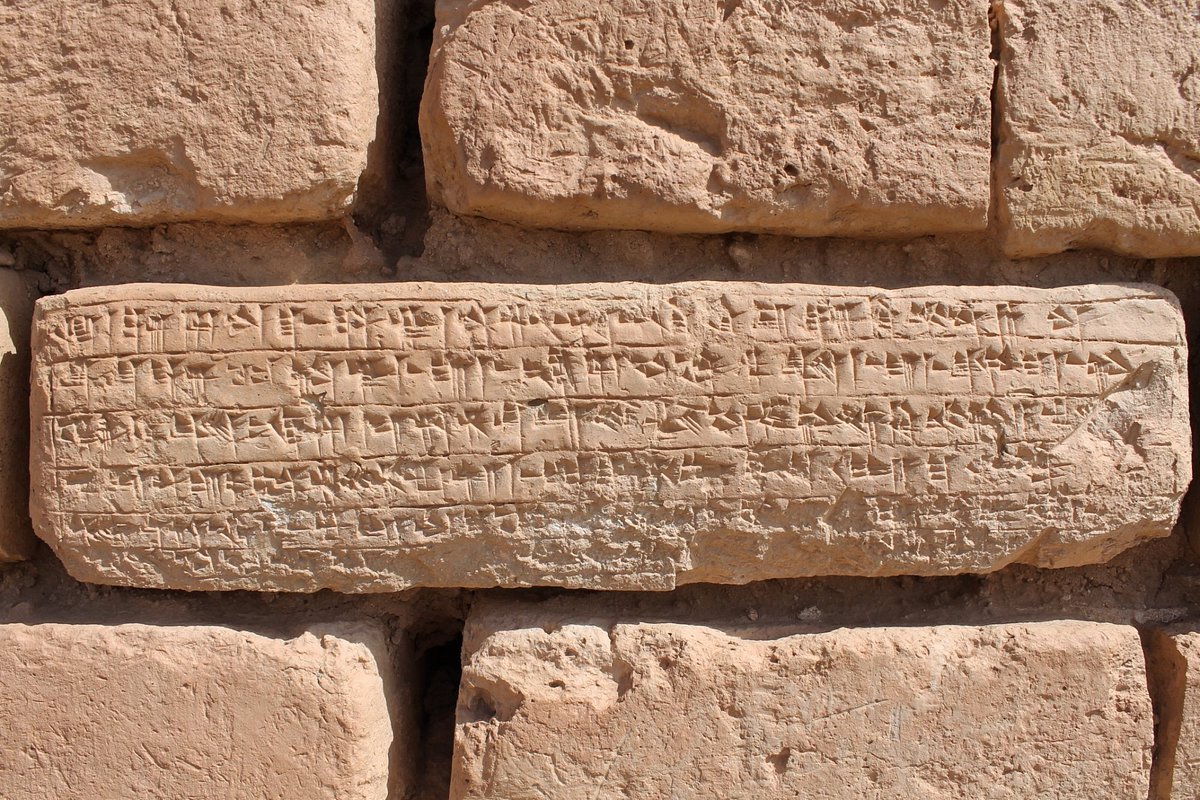
Visitors are bestowed with the magnificent spectacle of the ruins of the ancient city, where remnants of splendid palaces and administrative buildings demonstrate the city’s erstwhile grandeur. The exquisite Apadana Palace, once an epitome of the majestic Achaemenid architecture with its opulent columns and intricately detailed reliefs, beckons travelers to lose themselves in the regal aura of ancient Persian kings.

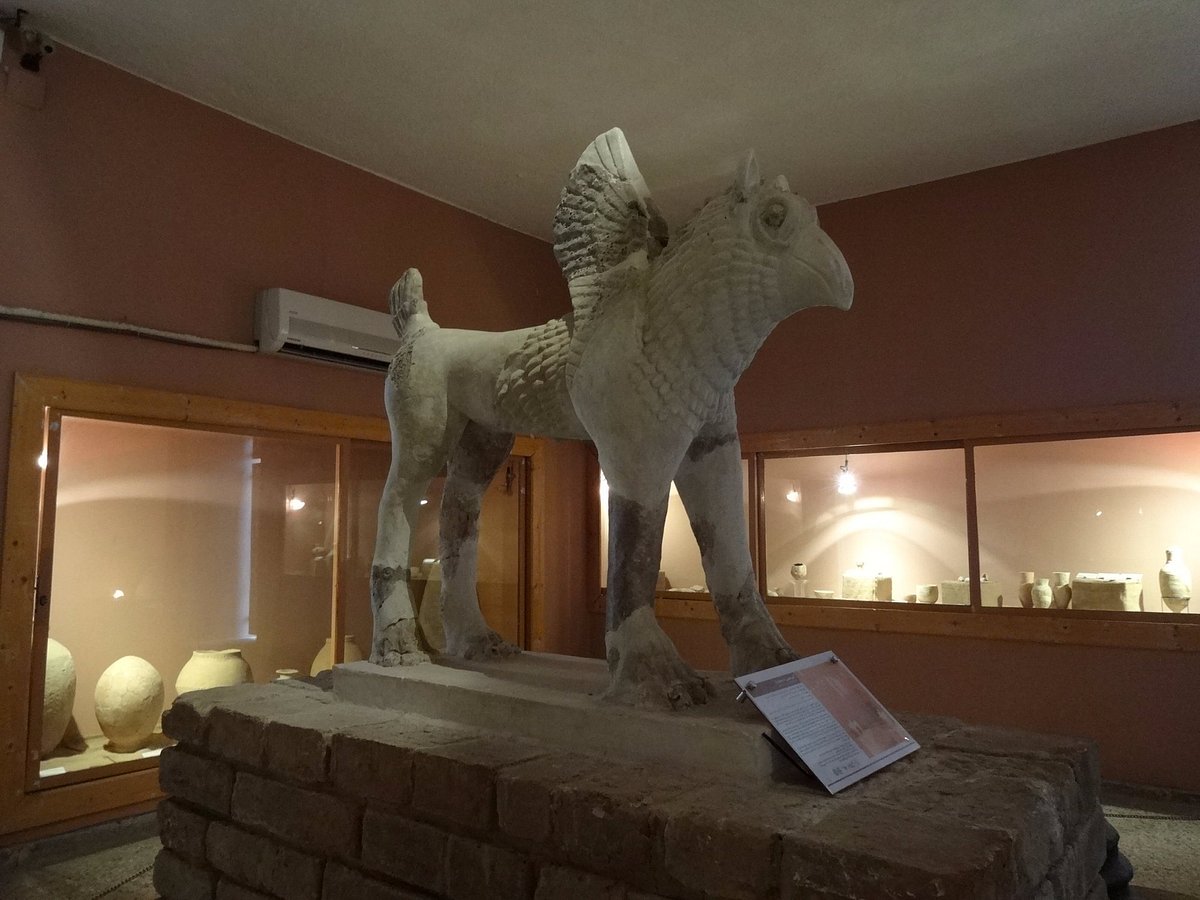
The Susa Museum, another bastion of ancient artifacts, heralds a journey through time, with its splendid collection, featuring an array of objects that span the diverse epochs and civilizations that have graced the region. Each artifact, from the Elamite ziggurats to the Achaemenid statues, narrates a distinctive chapter of a multi-faceted history, allowing visitors to weave through the corridors of time, exploring the societal evolution and technological advancements of bygone eras.

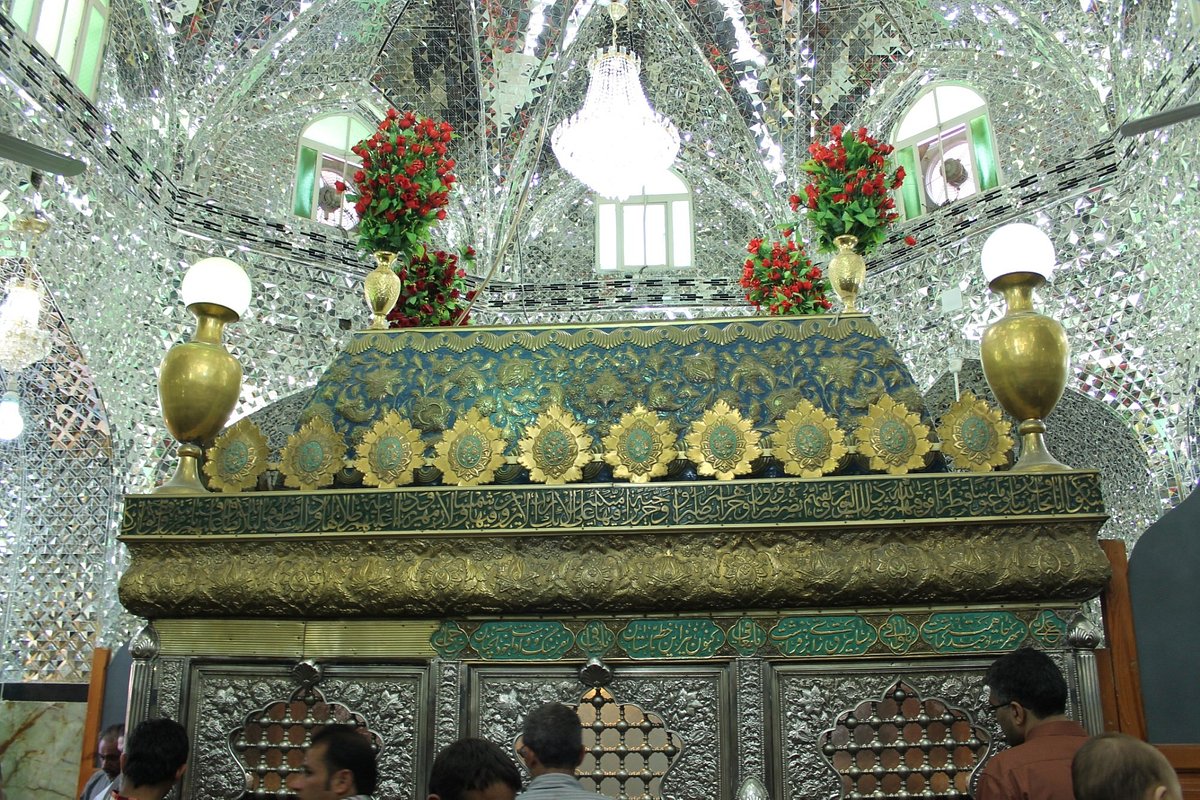
Equally enchanting is the Tomb of Daniel, a sacred relic not only for its spiritual significance but also for its embodiment of the seamless confluence of different religious beliefs. Jews, Christians, and Muslims alike venerate this sacred space, illustrating the vibrant tapestry of religious and cultural symbiosis that Susa symbolizes.

One cannot neglect the significance of Susa in the vibrant tapestry of global history and culture, having been a focal point for trade, intellectual exchange, and political machinations for centuries. The city emerges not merely as a locale of ancient ruins but as a vibrant testimonial to the resilience and persistence of human civilizations, their cultures, and their undying quest for expression, meaning, and connectivity.

Enthralling not only for its historical wealth but also for its modern vibrancy, Susa entwines the allure of antiquity with the pulse of contemporary life. The warm and hospitable residents, engaged in traditional crafts, agricultural pursuits, and modern professions, embody a living connection between the ancient and the present, thus enriching the visitor experience with a profound understanding of temporal continuity.

The visitor, while meandering through the meadows and palm groves that embroider the city, will find not only physical structures of a bygone era but also the undying spirit of human civilization — a narrative that has survived the tumults and triumphs of history, resonating through the ages and perpetually whispering tales of glory, tragedy, and enduring hope.

Susa, with its enchanting historical sites, vibrant culture, and compelling tales of erstwhile empires, unveils itself not just as a destination but as a timeless journey, where past and present converse in harmonious symphony, awaiting to be explored, understood, and cherished by those who traverse its ancient pathways.

Esplorate l'Iran, fate un tour giornaliero a piedi o unitevi a noi in un pacchetto di viaggio di più giorni.

Iran birdwatching tour

Le mappe della città

A few nearby places to stay.

Albergo tradizionale di Shushtar (Sarabi Hotel) / Shushtar

Sarabi Traditional Hotel, شوشتر،،، Shushtar, provincia di Khuzestan, Iran

Albergo tradizionale Tabib / Shushtar

Provincia di Khuzestan, Shushtar, Via Imam Khomeini, Hotel tradizionale Tabib, Iran

Albergo tradizionale Emarat Pedari / Shushtar

Provincia di Khuzestan, Shushtar, خیابان عبدالله بانو, Emarat Pedari Traditional Hotel, Iran

Casa tradizionale Afzal / Shushtar

Provincia di Khuzestan, Shushtar, سنگفرش، Casa tradizionale Afzal, Iran

Alcuni luoghi che meritano una visita.

Siti archeologici

Haft Tapeh

Haft Tapeh in Shushtar, Iran, is a fascinating destination for history enthusiasts, engineers, and those interested in ancient irrigation and water management systems. It offers a glimpse into the innovative technologies and engineering prowess of ancient civilizations in the region.

Haft Tapeh dates back to the Sassanid era, around the 3rd century CE. It holds historical and cultural significance as it represents an early and sophisticated system of water management and irrigation in Iran…

Haft Tepe

ancient water engineering

Shushtar Water systems

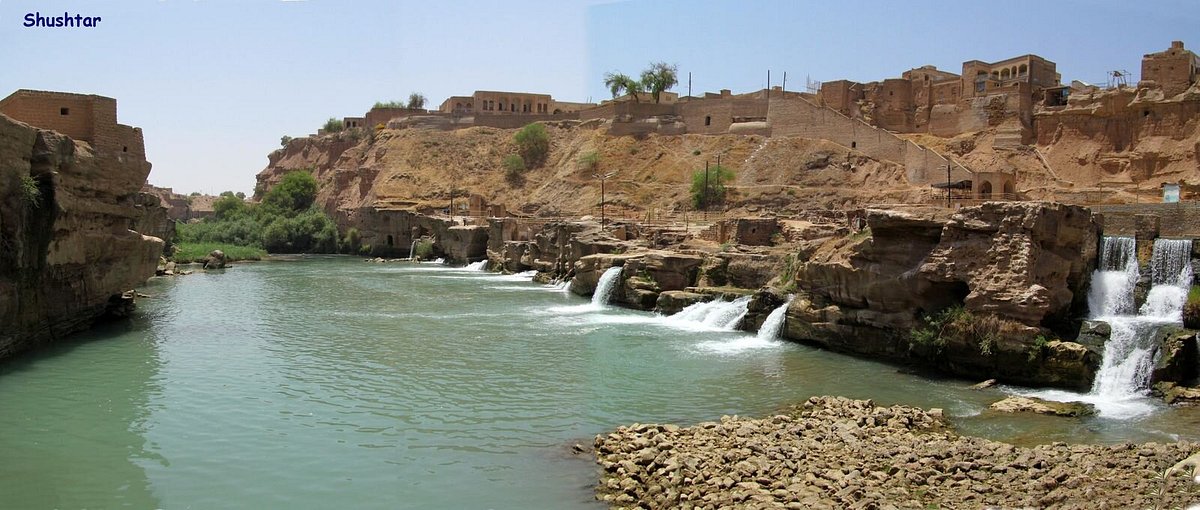
The Shushtar Water System is an ancient hydraulic engineering marvel located in the city of Shushtar, which is now part of Iran. It is often considered one of the most significant historical water management systems in the world and has been designated as a UNESCO World Heritage Site since 2009…

shushtar-sistema idrico istrittivo

Ziggurat and temples

Chogha zanbil

Chogha Zanbil, also known as Dur-Untash, is an ancient Elamite complex located in the Khuzestan Province of Iran. It is famous for its impressive ziggurat, which is one of the best-preserved ziggurats from the ancient Near East. Here’s some information about Chogha Zanbil and its ziggurat …
Chogha Zanbil Ziggurat, Shushtar

toms

Tomb of Daniel, the prophet.

The tradition that associates Susa with the tomb of Daniel dates back to medieval times and is based on historical and religious accounts. According to this tradition, Daniel’s tomb is situated within a building in Susa. The exact location within the city has varied over the centuries due to the rise and fall of empires and changes in religious and political circumstances…

Tomba di Daniele, Shushtar

Castle

Susa castle

Shush Castle, also known as Shush Fortress or Shush Citadel, is a historical site located in the city of Shush (ancient Susa) in the Khuzestan Province of Iran. Shush is an ancient city with a rich history dating back thousands of years, and the castle is one of its notable landmarks. Here is some information about Shush Castle:

  1.  

Shush Castle, Shushtar

Effettua una prenotazione di hotel, auto o trasferimento in iran

Linea diretta di prenotazione 24 ore su 24, 7 giorni su 7: +989174257008 - E-mail: info@IranTravelingCenter.com

Esploriamo l'Iran oltre le città

esperienze all'aperto in Iran

spa & wellness

Rilassarsi con un massaggio o una sauna

Un massaggio rilassante sarebbe un buon modo per concludere una giornata di viaggio.

connettiti con noi

Come mettersi in contatto

il nostro personale

Per qualsiasi esigenza dei giocattoli, siamo qui per voi. Fateci sapere se avete qualche domanda.

CEO & Owner of agency
Hassan Abdolahi
Tour manager
(305) 343 6873
Pari Abdolahi
Sportello informazioni
(305) 321 7897
it_ITItaliano