Sobre esta atividade
Introduction to Qajar Bathhouse & Anthropology Museum in Qazvin
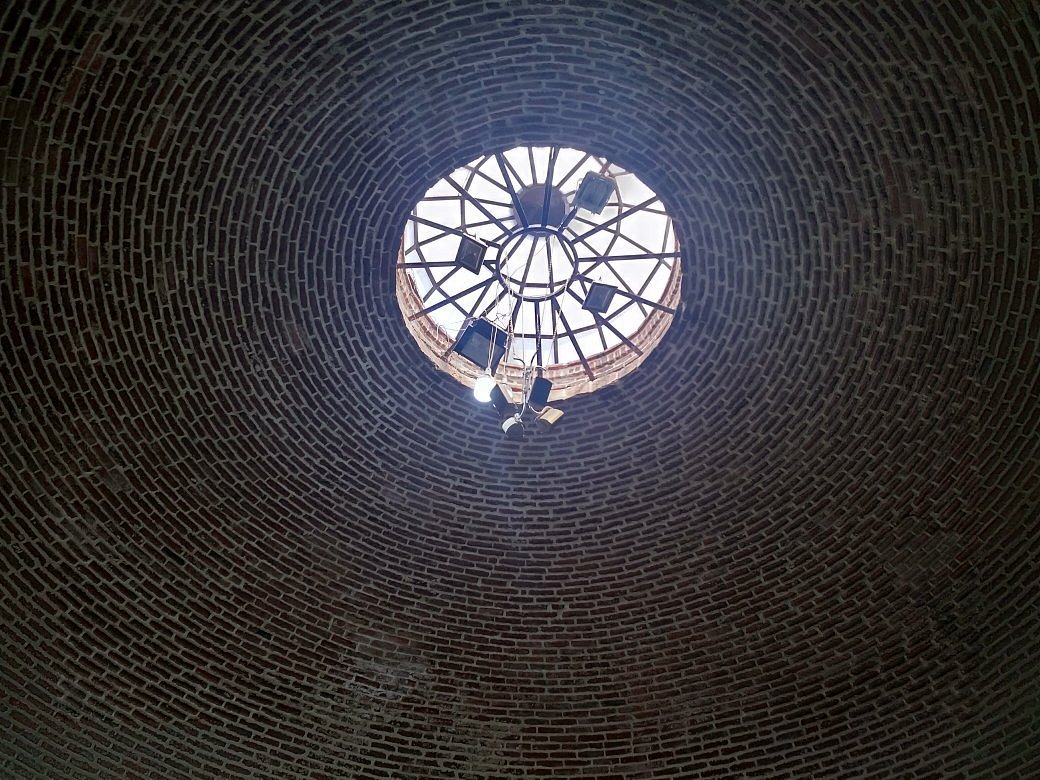
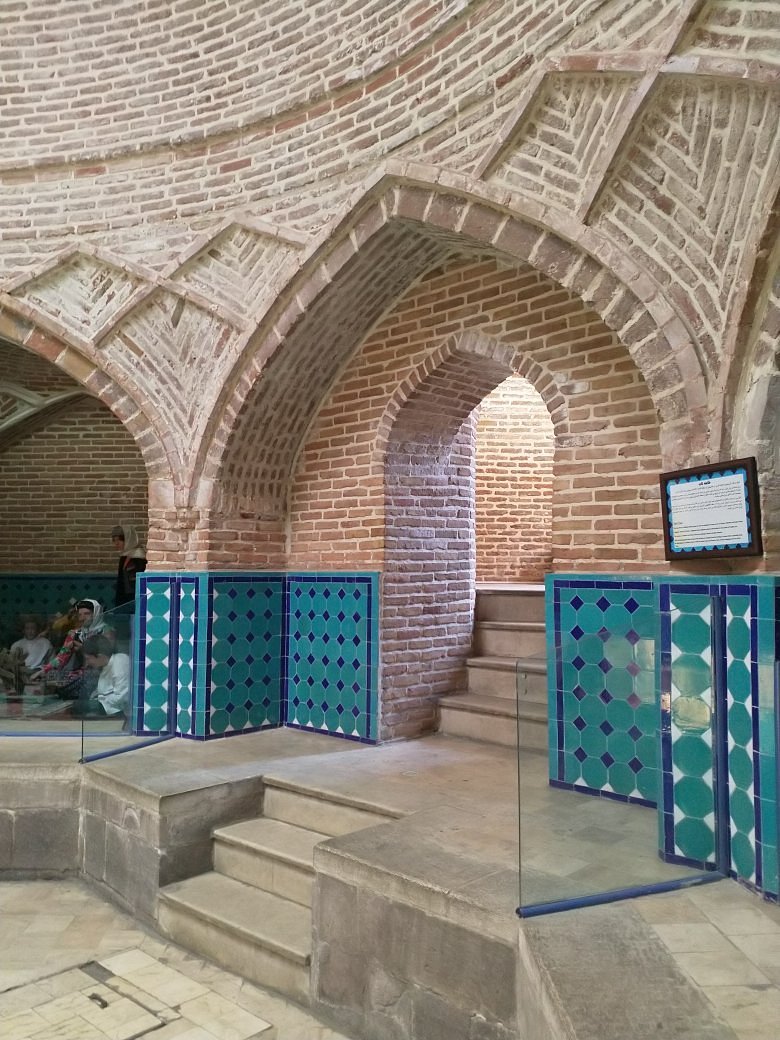
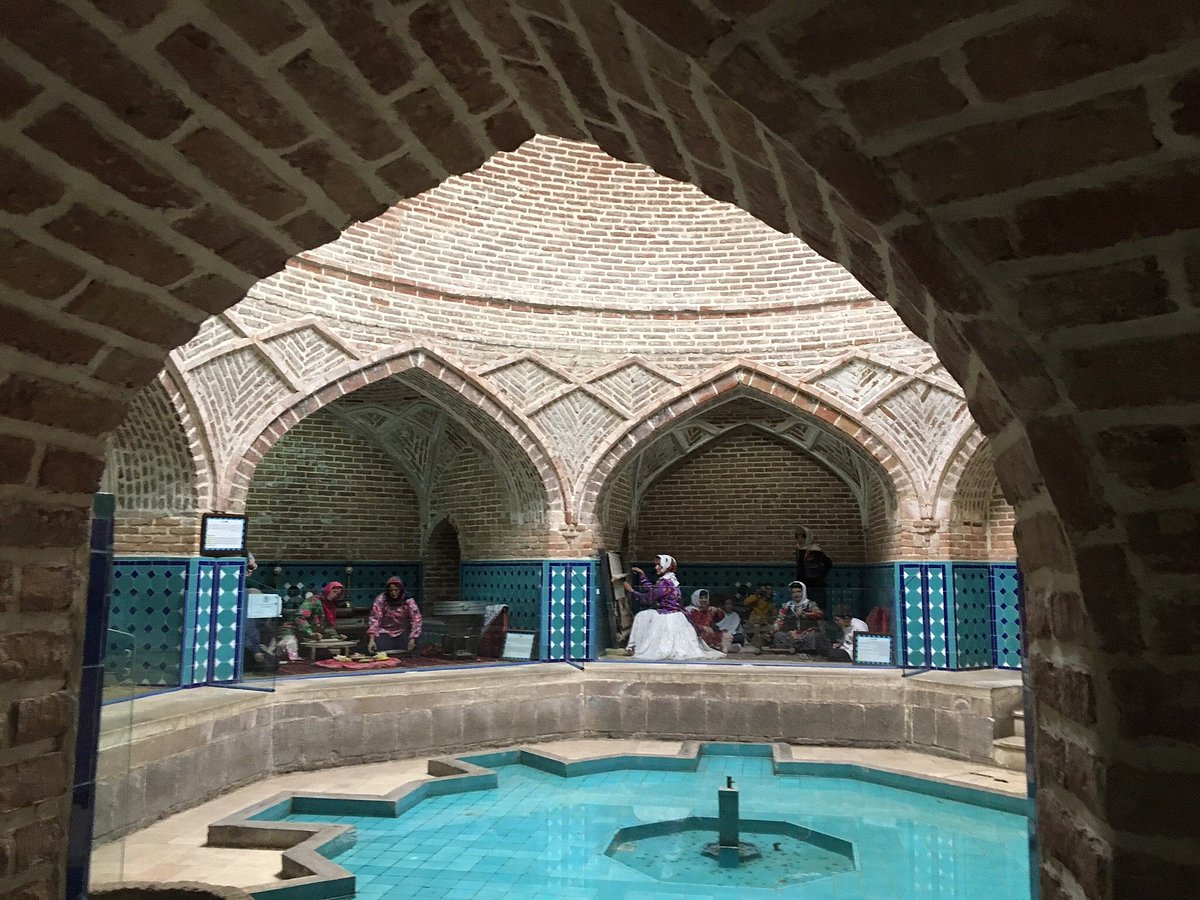
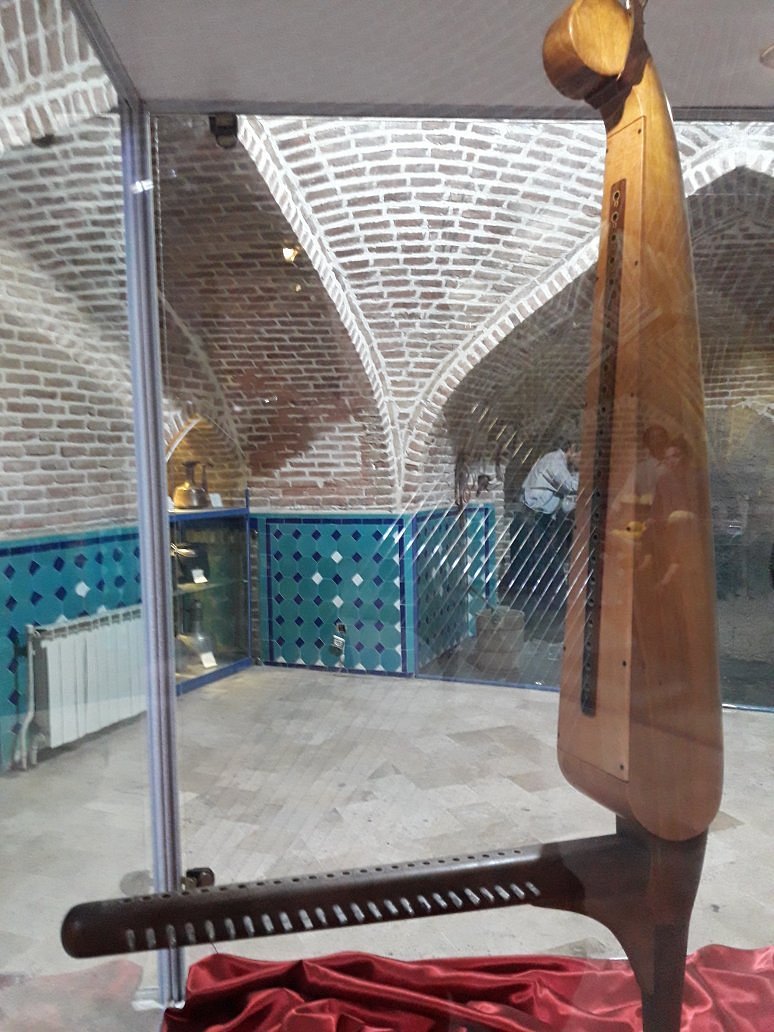
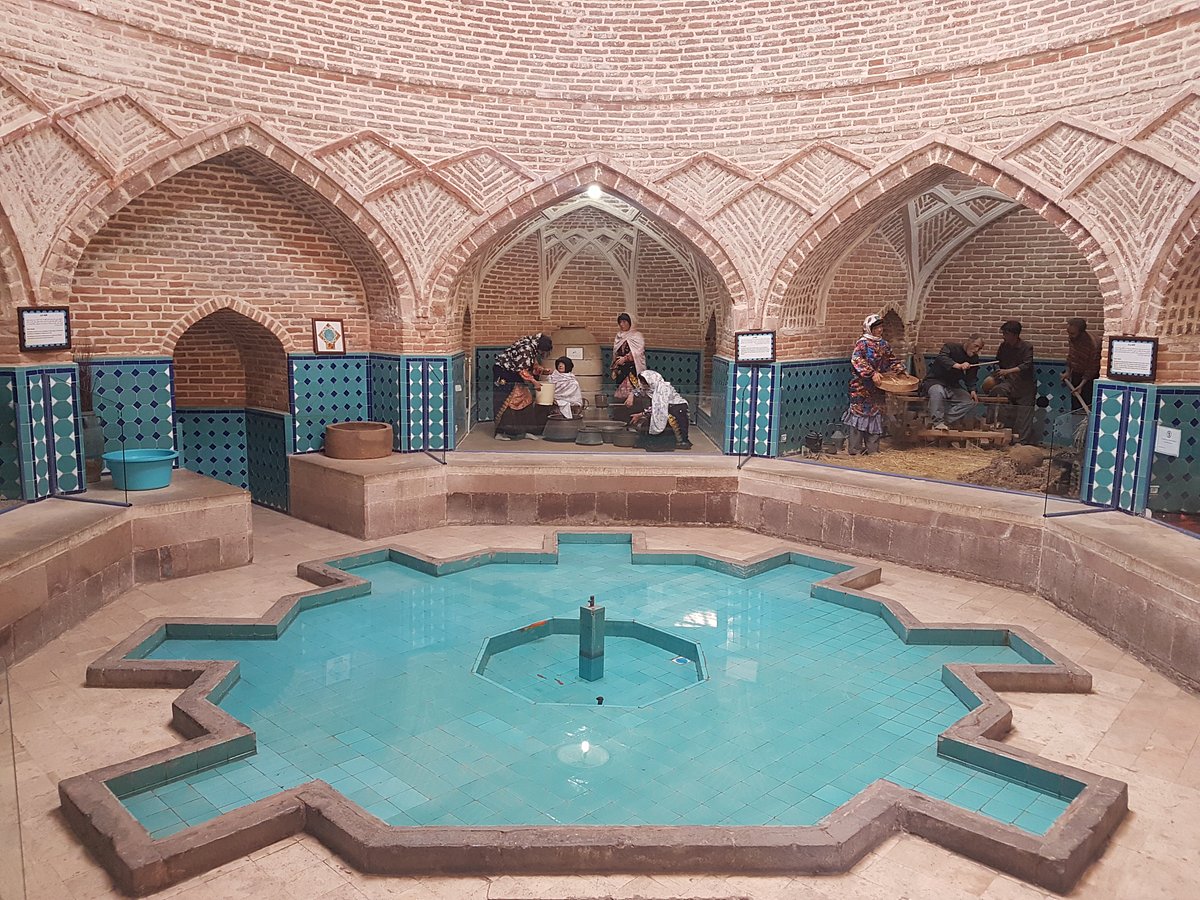
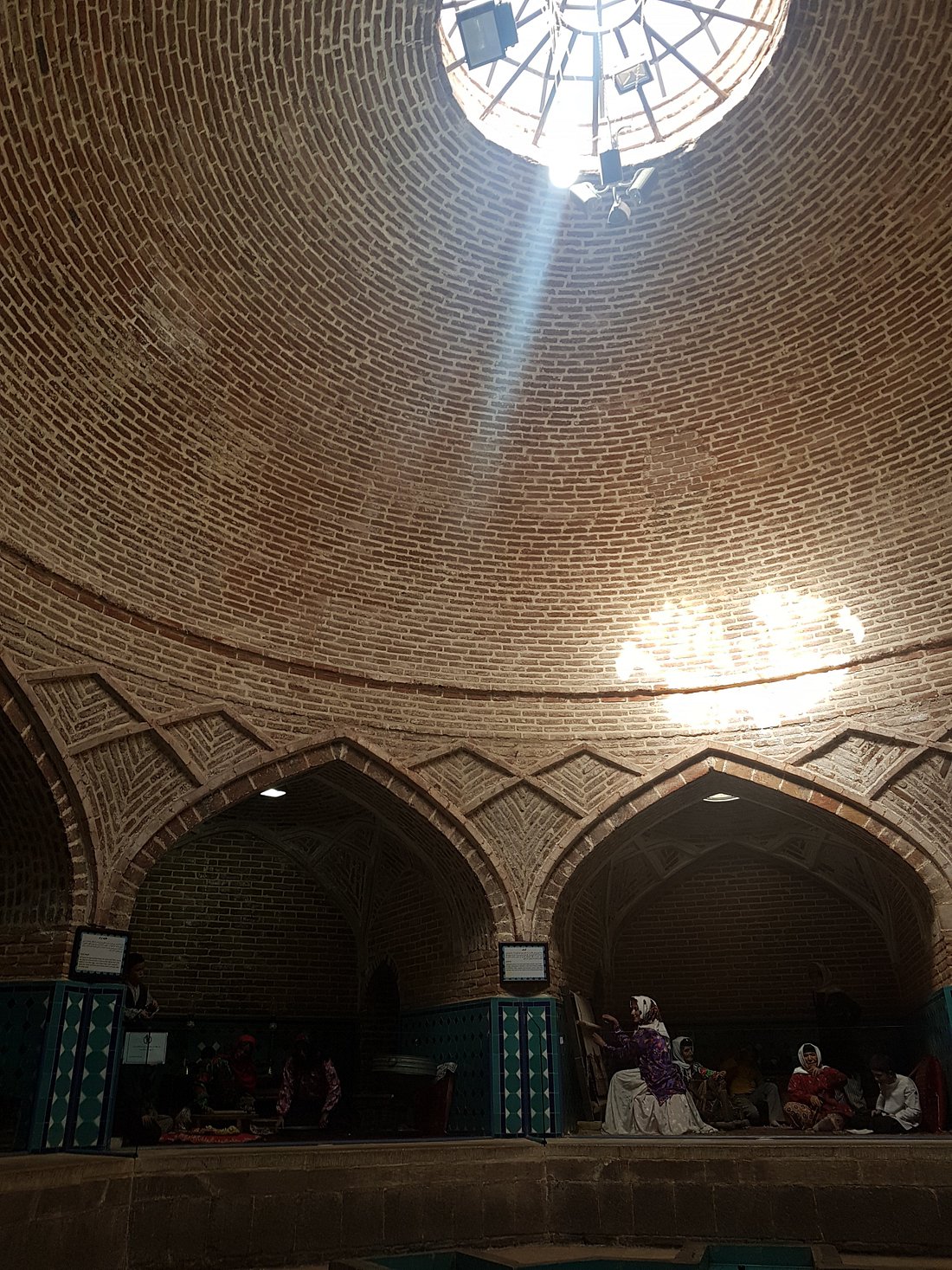
The Qajar Bathhouse & Anthropology Museum in Qazvin is an exceptional site that offers a glimpse into Iran’s rich cultural and historical tapestry. Housed in a beautifully restored Qajar-era bathhouse, this museum stands as a testament to the architectural and social traditions of Persian bathhouses. Dating back to the 19th century, the bathhouse itself is an architectural marvel, featuring intricate tile work, elegant arches, and traditional Persian designs. It has been meticulously preserved and converted into a museum, providing visitors with an immersive experience of the historical lifestyle and customs of Iran during the Qajar dynasty.
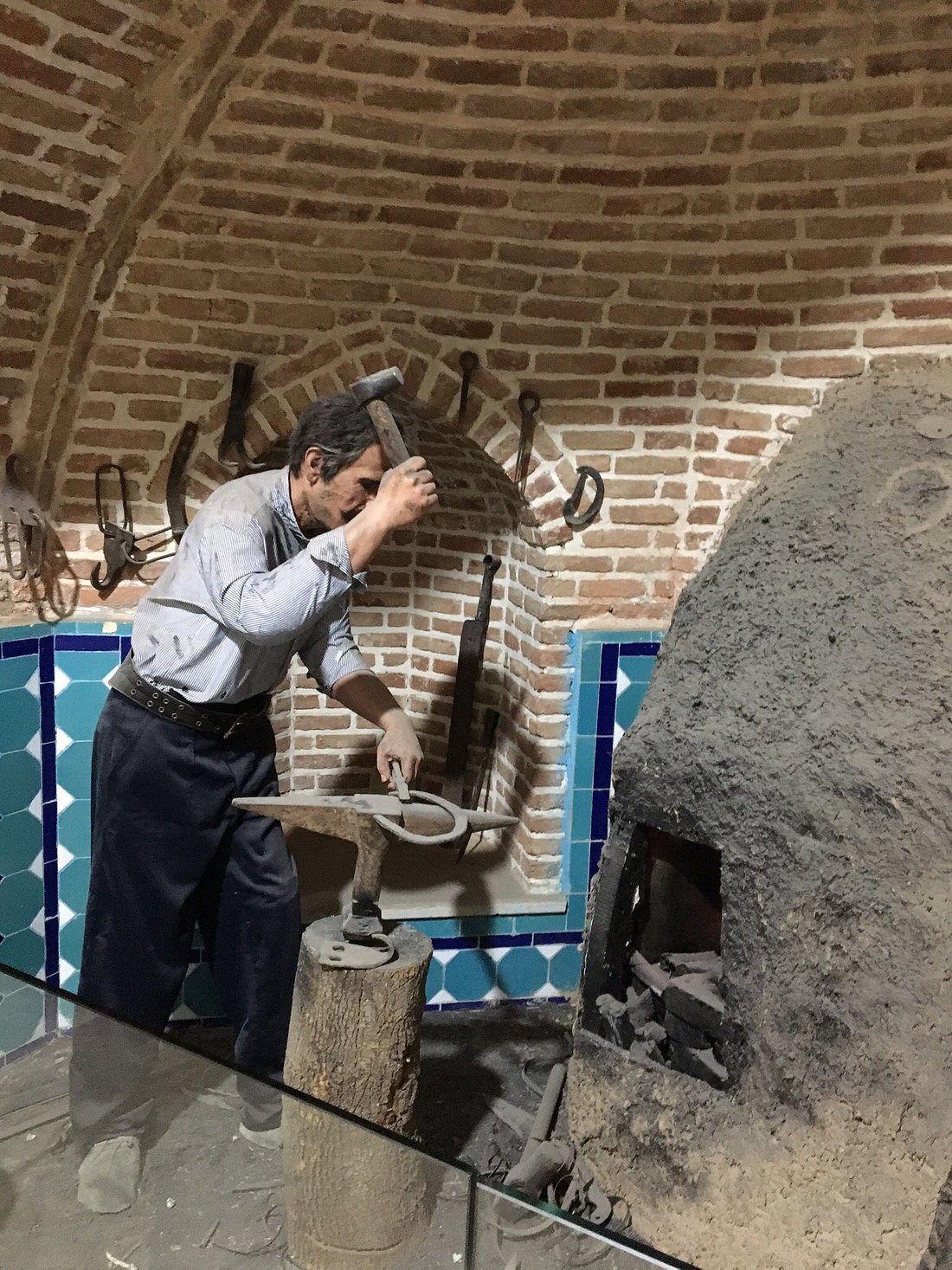
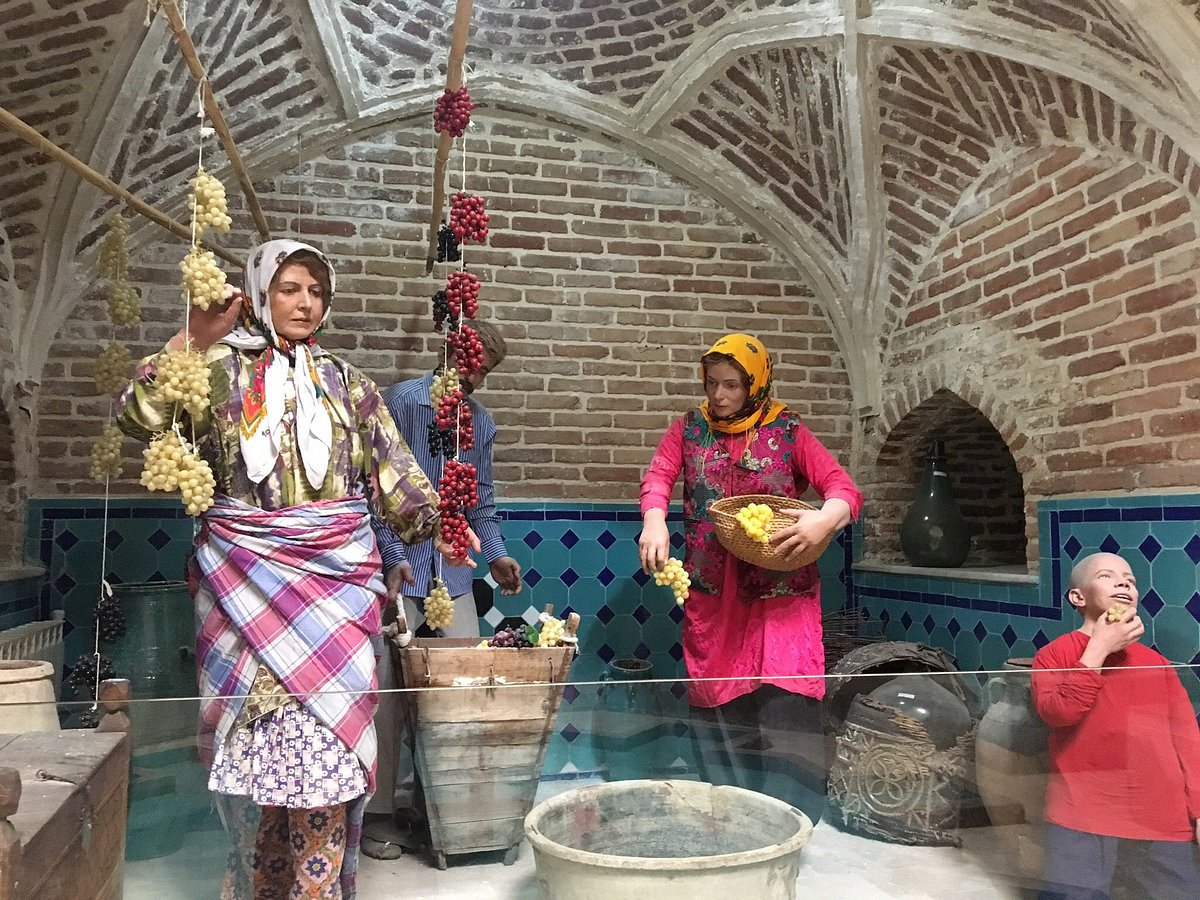
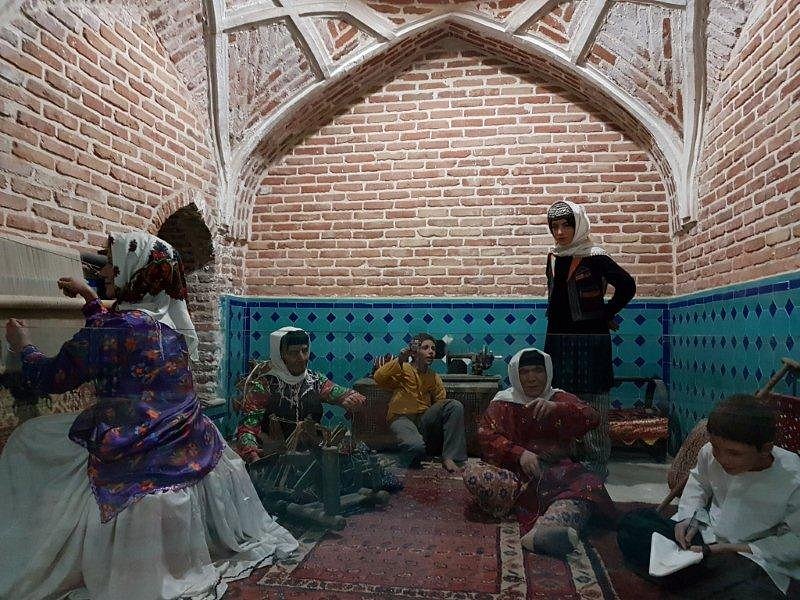
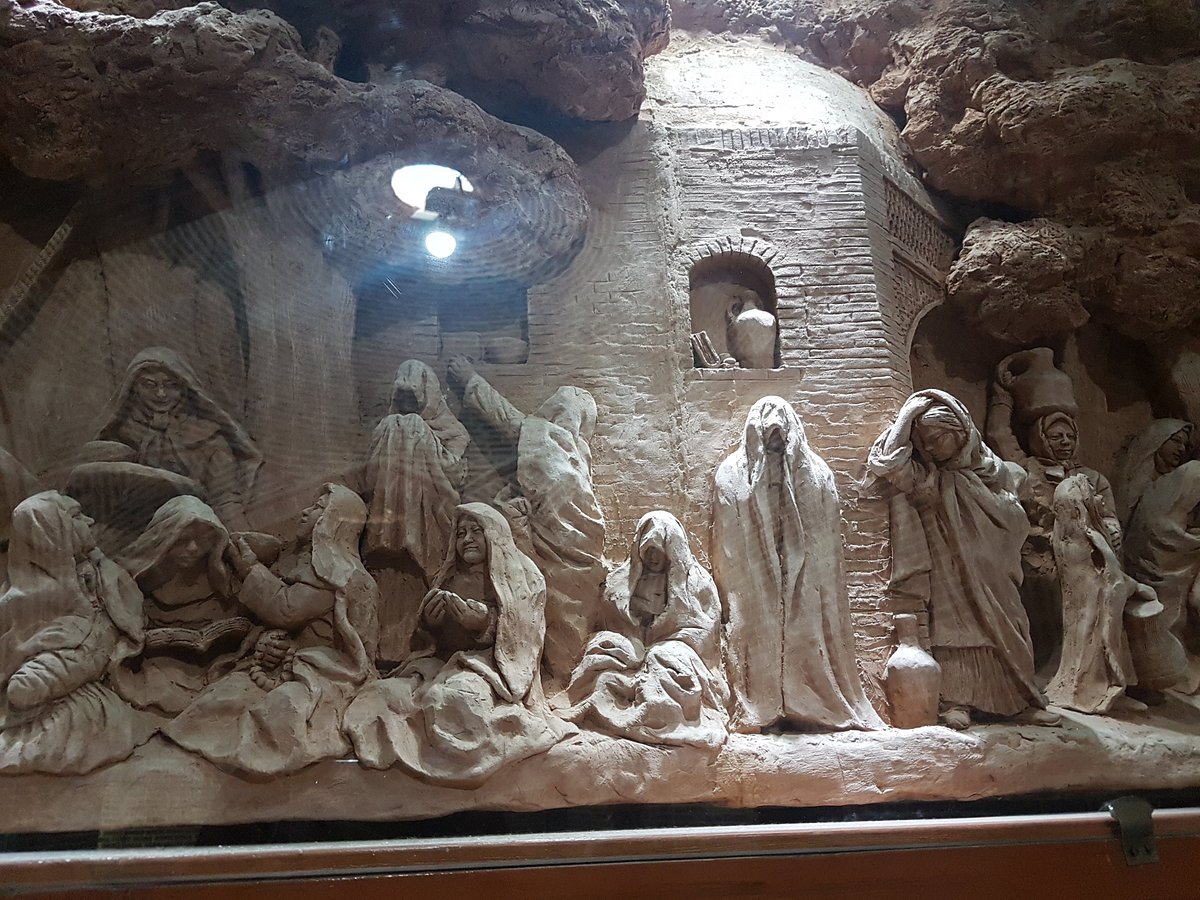
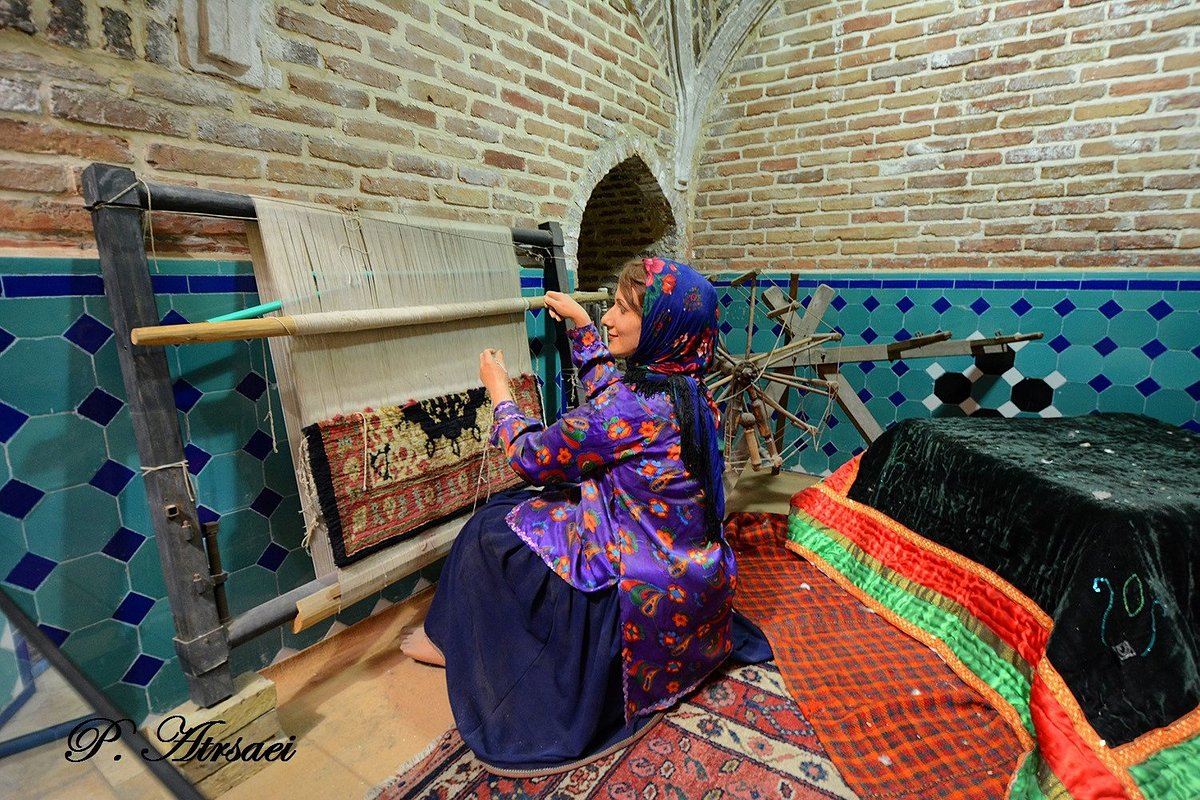
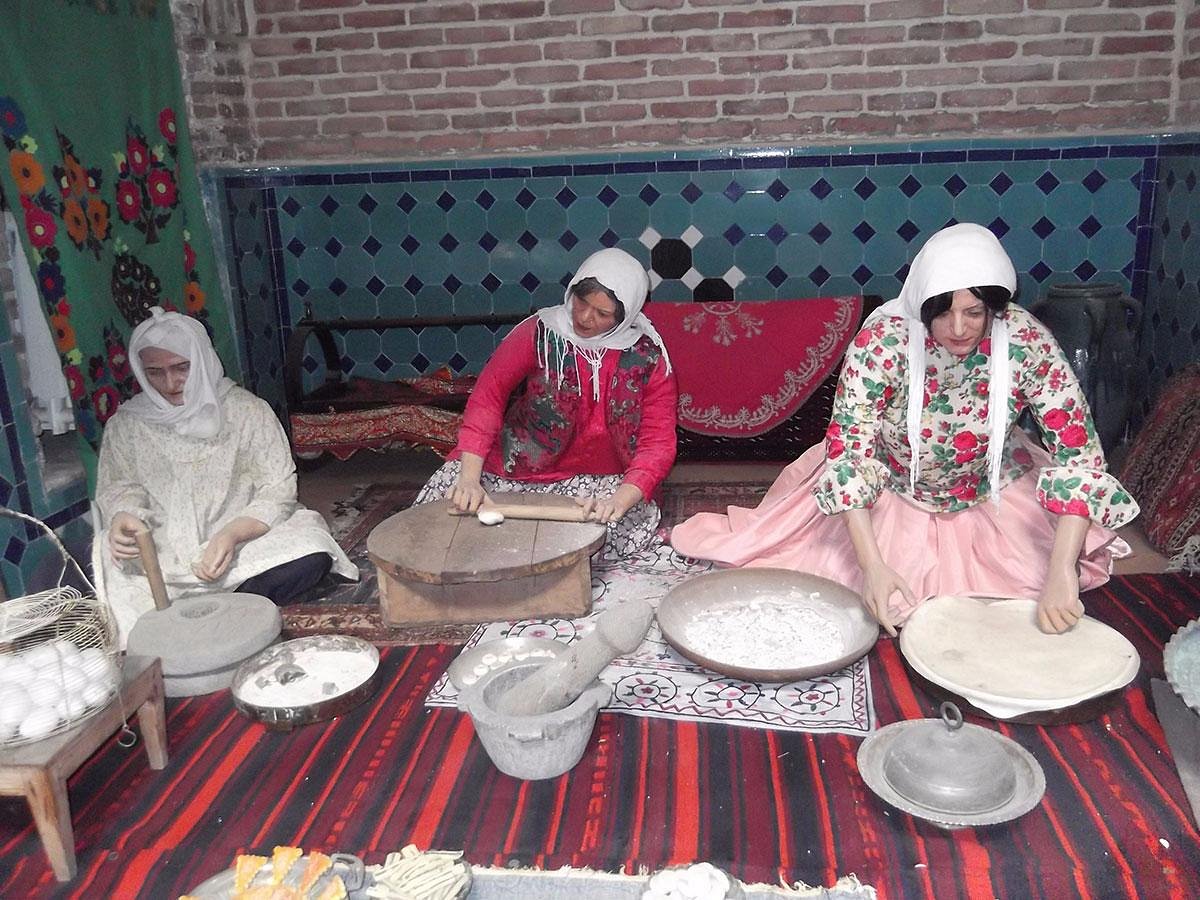
The significance of the Qajar Bathhouse & Anthropology Museum lies in its detailed portrayal of the social aspects of bathhouse culture, which was an integral part of daily life in Qajar-era Iran. The museum showcases various aspects of anthropology and ethnography, including traditional clothing, tools, and artifacts that offer insights into the everyday lives of the people during that period. Each room within the bathhouse serves a specific educational purpose, with displays and exhibits that are both informative and visually captivating.
Visiting the Qajar Bathhouse & Anthropology Museum is not just about observing historical artifacts; it’s an experiential journey through time. The museum’s ambiance, accentuated by its authentic architecture and thematic exhibitions, transports visitors back to a bygone era of Persian history. It’s a must-see destination for anyone interested in cultural history, anthropology, and architectural heritage, offering a unique perspective on the social history of Iran.
Visit Plan to Qajar Bathhouse & Anthropology Museum
- Chegada de manhã: Aim to arrive in the morning to avoid the larger crowds and to enjoy a more peaceful exploration of the museum.
- Explore the Bathhouse: Start your visit by exploring the bathhouse itself, appreciating the architectural details and the traditional Persian bathing areas.
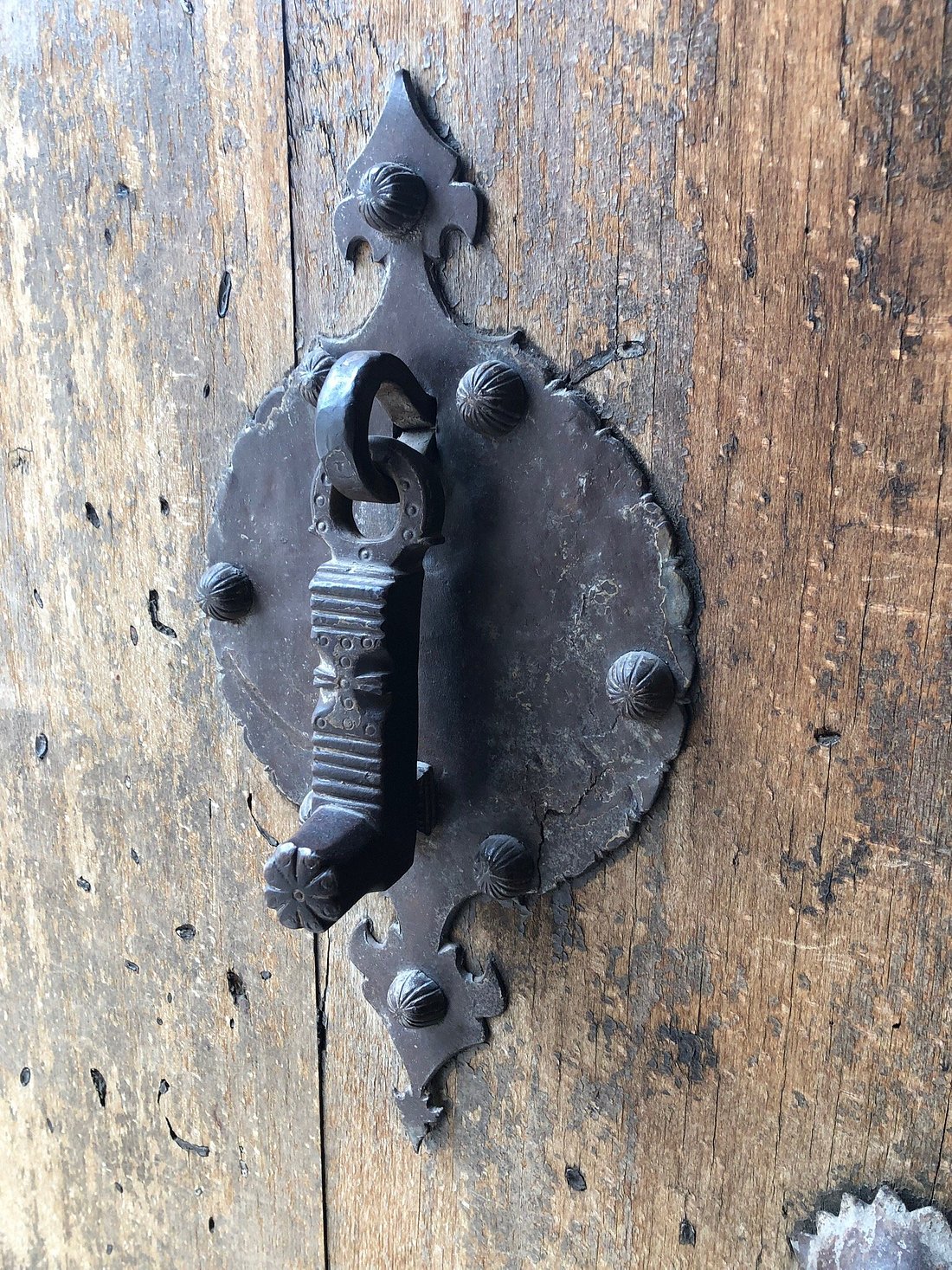
- Anthropology Exhibits: Proceed to the various exhibits showcasing the Qajar-era lifestyle, including clothing, tools, and everyday artifacts.
- Ecrãs interactivos: Engage with any interactive displays or multimedia presentations that offer deeper insights into the culture and history of the era.
- Fotografia: Capture the unique architectural features and exhibitions, as they provide excellent photographic opportunities.
- Cafés nas proximidades: Finish your visit by exploring nearby cafes, where you can enjoy local Iranian cuisine and reflect on your museum experience.
Taxa de entrada e custos de transporte
- Taxa de entrada: The entrance fee to the Qajar Bathhouse & Anthropology Museum is typically nominal, but it’s advisable to check for the latest pricing on the museum’s official website or through local tourist information.
- Taxi or Bus Fare from Downtown Qazvin: The cost of a taxi ride from downtown Qazvin to the museum is generally affordable. Alternatively, taking a bus can be a more economical option. The prices may vary, so it’s recommended to check current fares or negotiate the taxi fare in advance.
Locais próximos a visitar
- Qazvin Grand Hotel: A historic hotel nearby that reflects the traditional architectural style of the region.
- Palácio Chehel Sotoun: Another historical site in Qazvin, known for its impressive architecture and rich history.
- Aminiha Hosseiniyeh: A beautiful and historic house featuring stunning stained glass, mirror work, and traditional Persian architecture.
- Bazar de Qazvin: Explore the local bazaar to experience the vibrant market life and traditional crafts of the region.
- Castelo de Alamut: A bit farther away but worth the visit, this historic fortress offers breathtaking views and a fascinating history.
These nearby attractions complement a visit to the Qajar Bathhouse & Anthropology Museum, offering a diverse experience of Qazvin’s cultural and historical richness.




 Português
  English
  Español
  日本語
日本語  Deutsch
  العربية
  Français
  简体中文
简体中文  Русский
  Italiano
  한국어
한국어  Türkçe
  Dansk
Dansk  Български
  Čeština
  Ελληνικά
  Suomi
Suomi  עִבְרִית
  Magyar
  Bahasa Indonesia
  Հայերեն
Deixar um comentário