5 Hours
No Cancel
10 emberek
___
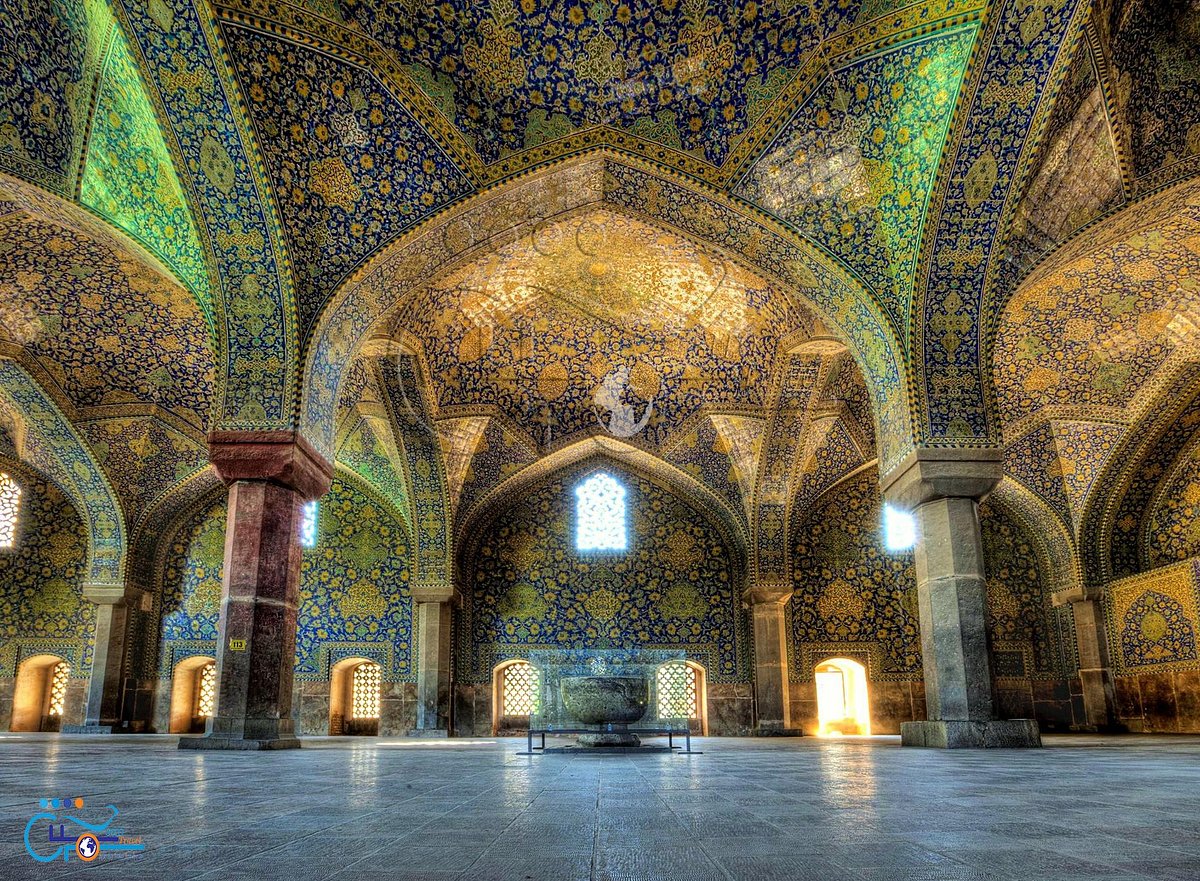
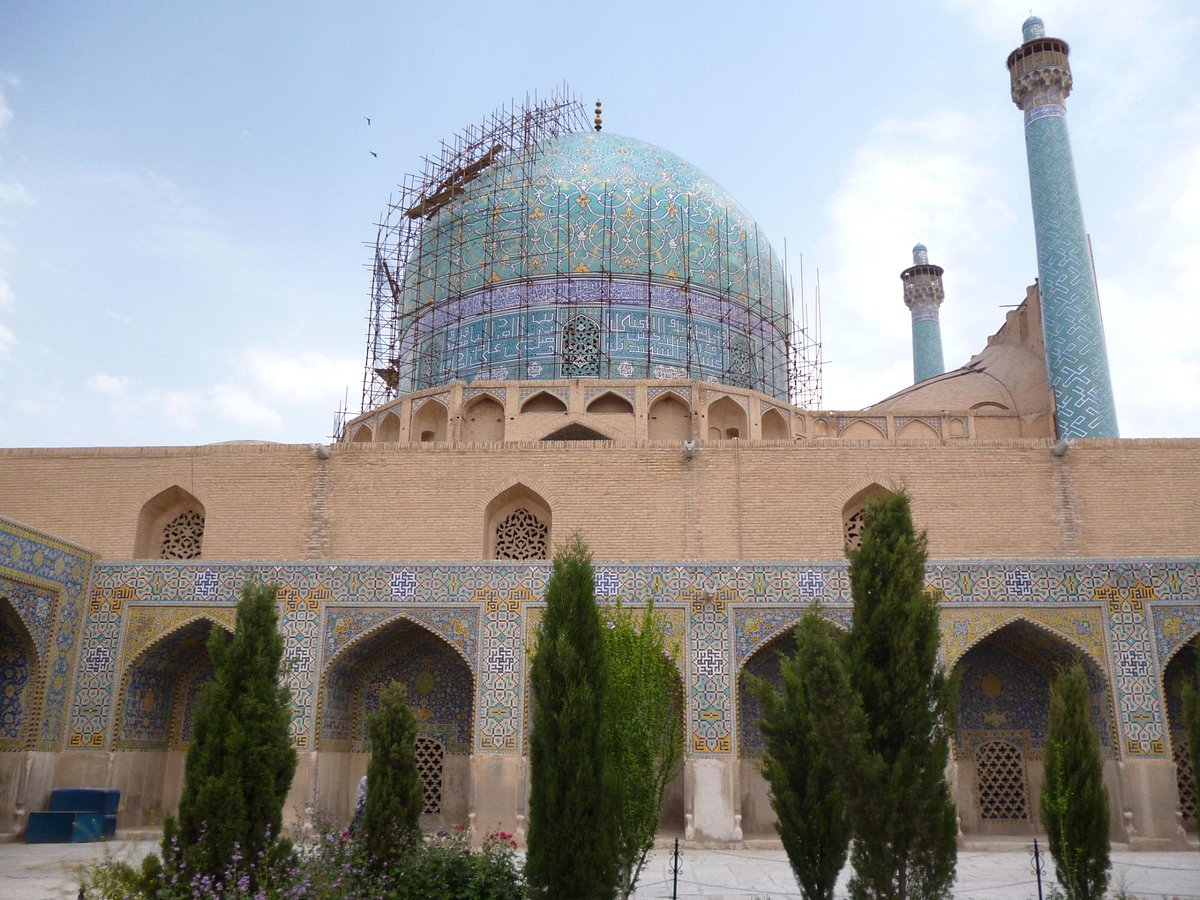
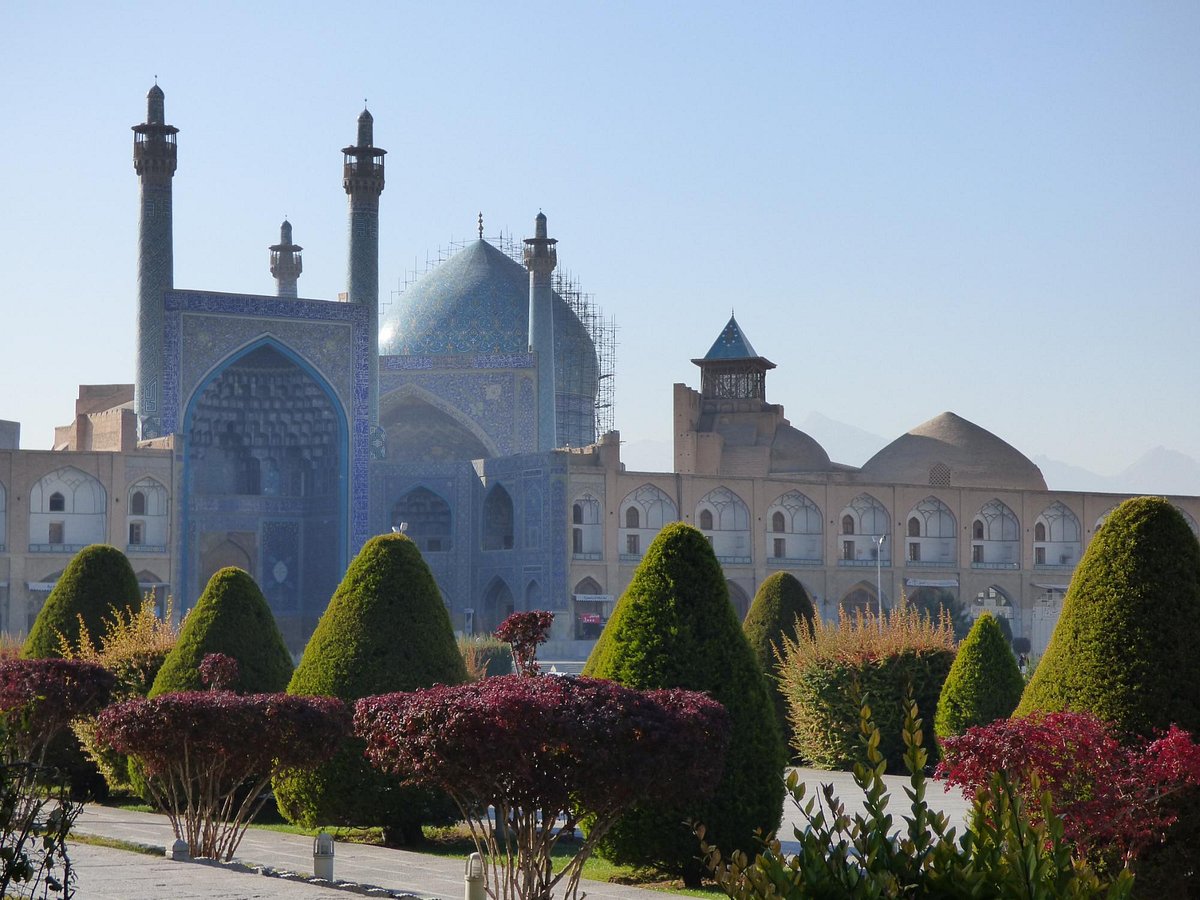
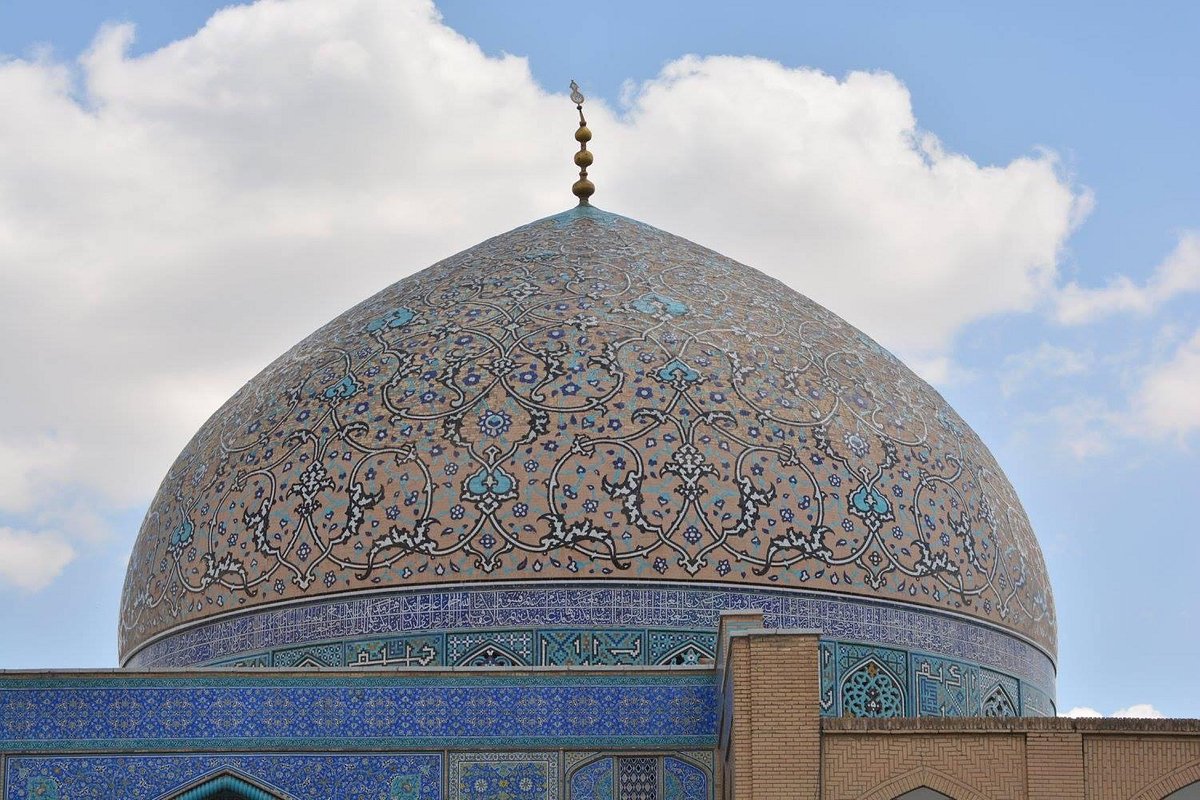
The Shah Mosque, also known as Imam Mosque, in Isfahan, Iran, stands as a crowning achievement of Persian architecture and a must-see destination for anyone visiting the region. Built during the Safavid era under the rule of Shah Abbas I in the early 17th century, this mosque is not just a religious site but also a symbol of the cultural and artistic zenith that Persia attained during that period. Its location at the south side of Naghsh-e Jahan Square, a UNESCO World Heritage site, enhances its prominence and accessibility.
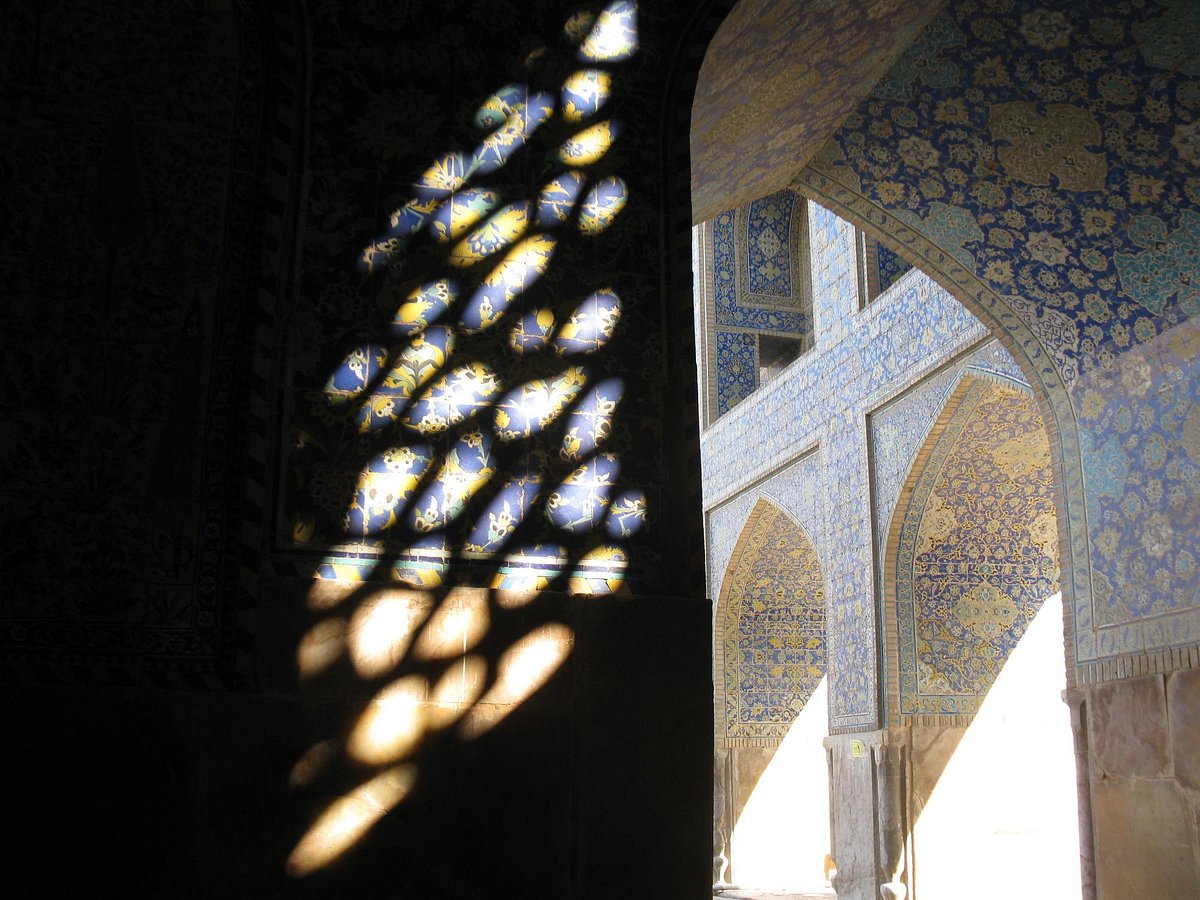
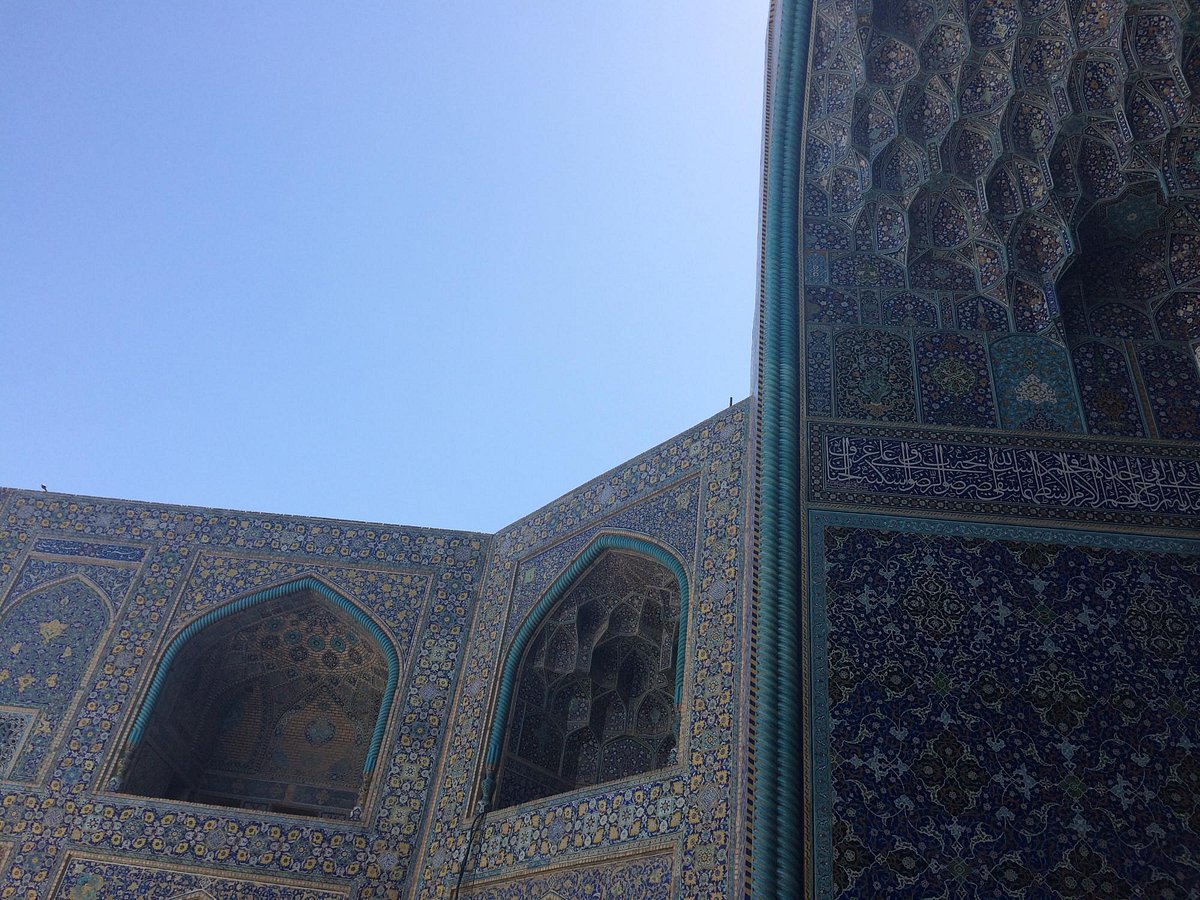
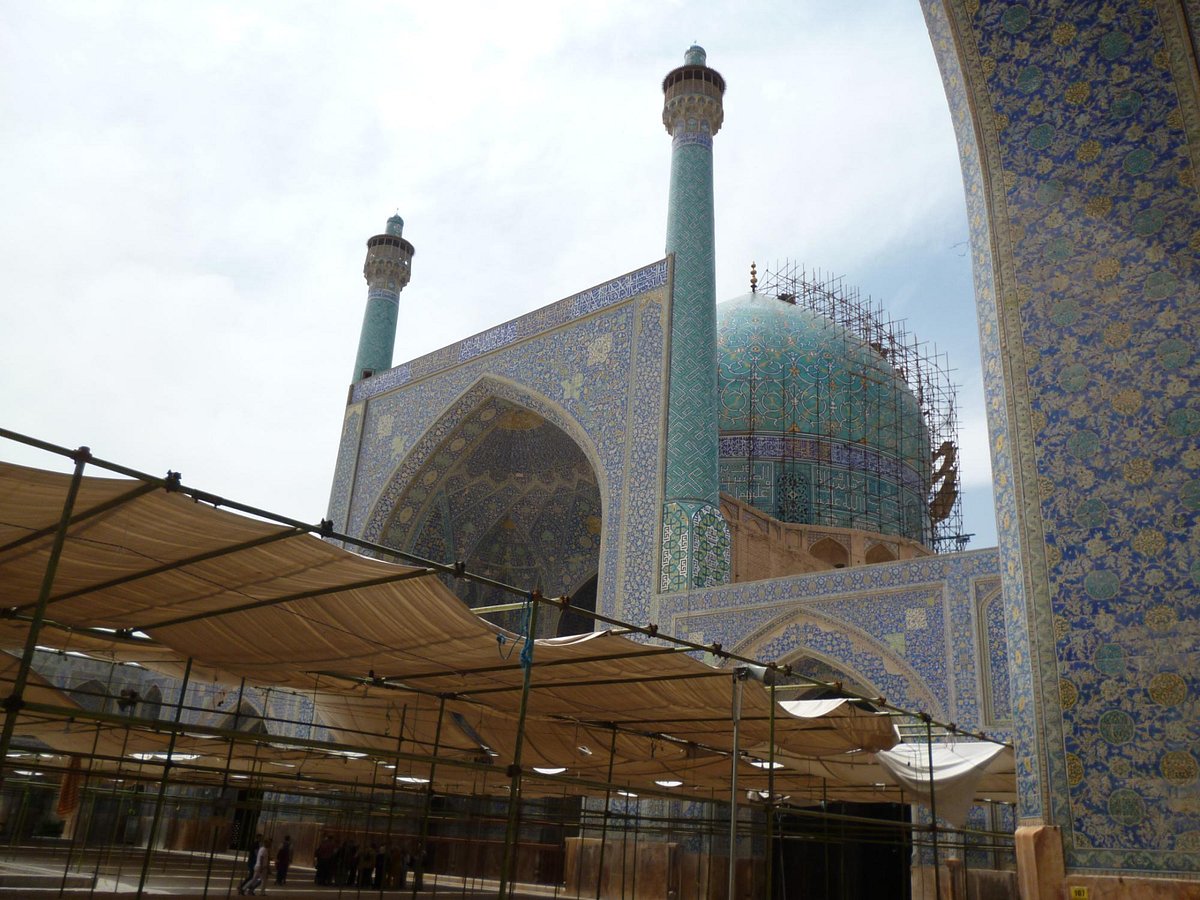
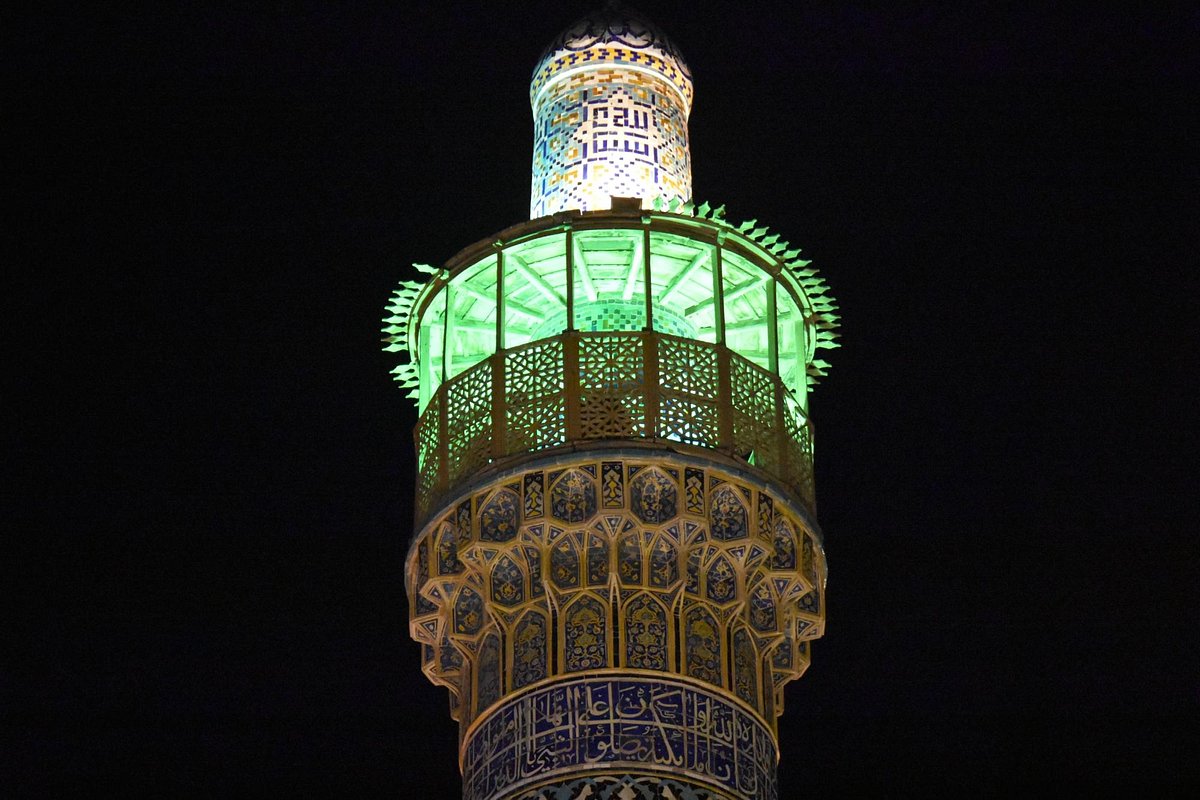
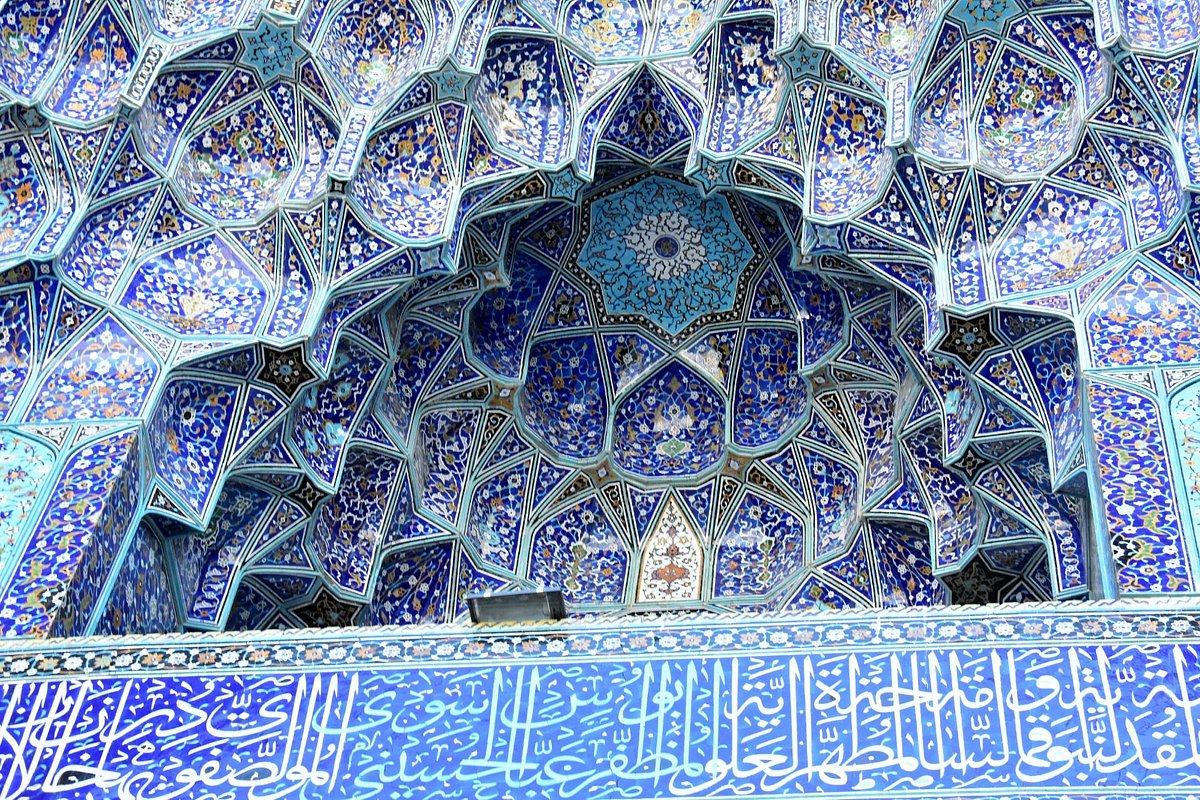
What sets the Shah Mosque apart is its stunning architecture and intricate tile work, featuring a mesmerizing blend of colors and geometric designs. The mosque’s portal is noted for its height and grandeur, beckoning visitors into a world of architectural beauty. The interior is equally magnificent, with its soaring domes and expansive iwans (vaulted open rooms) adorned with exquisite calligraphy and tilework. The acoustics of the central dome are a marvel, demonstrating the ingenuity of its architects.
The mosque’s significance extends beyond its physical beauty. It is a testament to the Islamic Golden Age in Persia, reflecting the religious, cultural, and socio-political ethos of its time. For visitors, it offers a profound insight into the history and art of the Islamic world, making it a must-visit for enthusiasts of history, architecture, and art. The Shah Mosque is not just a historical monument but a living piece of art that continues to inspire awe and reverence.
As of my last update, there are limited books specifically focused on the Shah Mosque in languages other than Farsi. However, there are several notable works on Persian architecture and Isfahan that include significant sections on the Shah Mosque:

Tag 2023 óta
 English English
 Español
 日本語
日本語 Deutsch
 العربية
 Français
 Português
 简体中文
简体中文 Русский
 Italiano
 한국어
한국어 Türkçe
 Dansk
Dansk Български
 Čeština
 Ελληνικά
 Suomi
Suomi עִבְרִית
 Magyar
 Bahasa Indonesia
 Հայերեն



Hagyjon egy véleményt