About this activity
Introduction to Chehel Sotoun in Isfahan
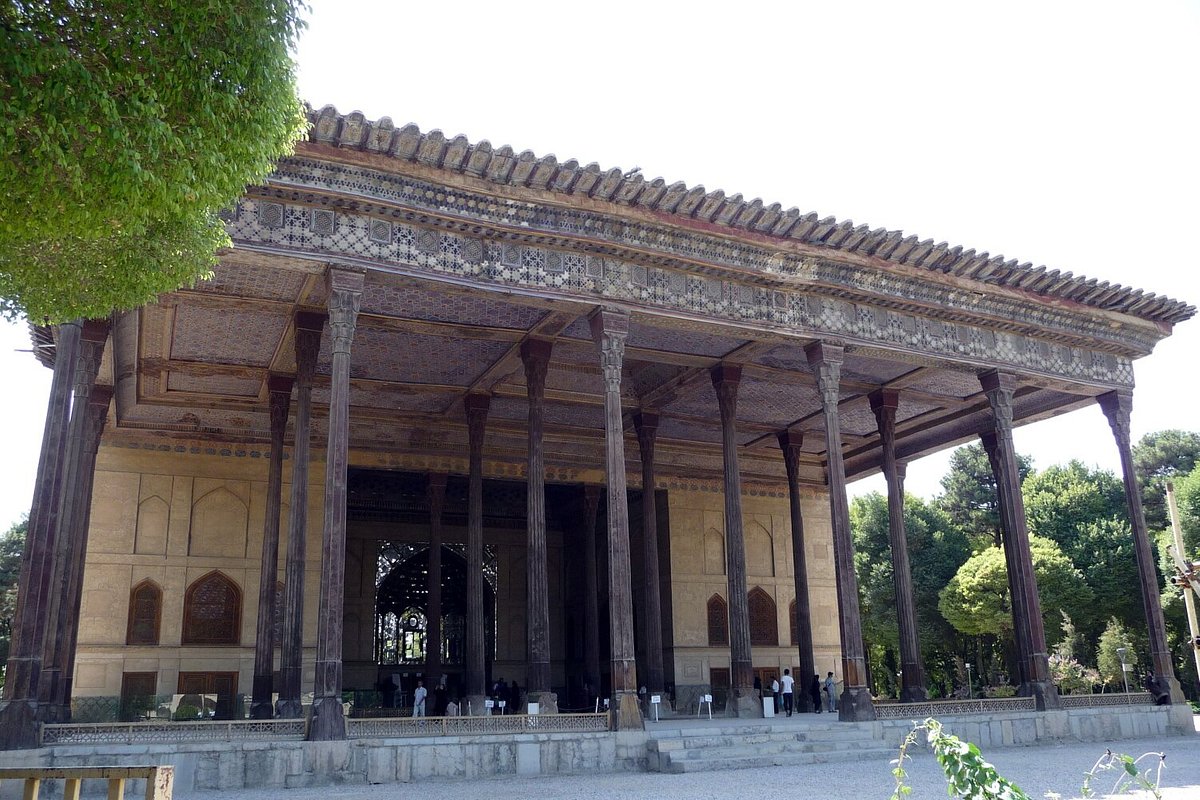
Chehel Sotoun, a stunning example of Persian palace architecture, is a must-see attraction in the historic city of Isfahan, Iran. Translating to “Forty Columns,” the name stems from the twenty slender wooden columns supporting the entrance pavilion, which, when reflected in the waters of the fronting pool, are said to appear as forty. This 17th-century edifice, built during the Safavid era, is renowned for its elegantly landscaped gardens and the exquisite frescoes and paintings that adorn its interior. The palace served as a place of reception and entertainment for royal guests and ambassadors, embodying the grandeur and opulence of Safavid court life.
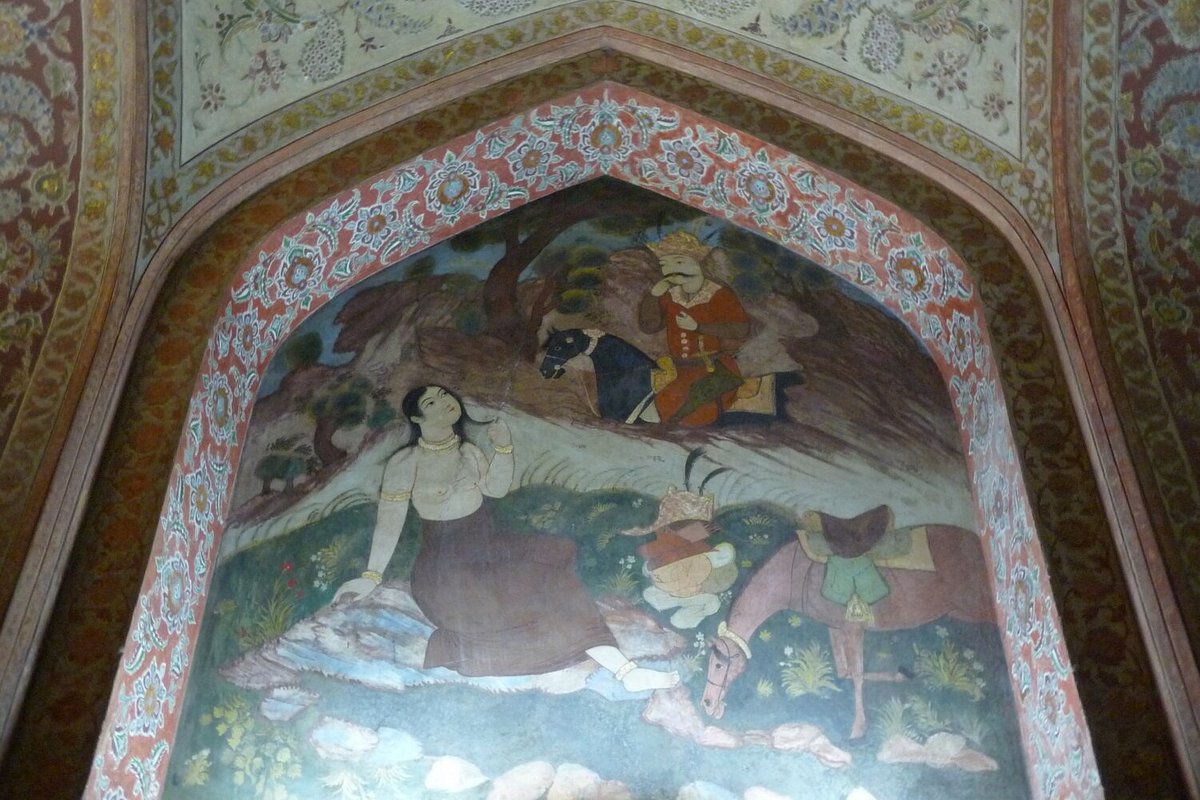
The architectural design of Chehel Sotoun is a testament to the sophistication of Persian art and craftsmanship. The palace is set amidst a large, rectangular garden, featuring long pools and fountains, which are characteristic of the classical Persian garden layout. Inside, the main hall is decorated with historical frescoes depicting various scenes from Safavid battles and court receptions. These paintings are invaluable in providing insights into the political and social life of the era.
Chehel Sotoun is not just a historical monument; it’s a cultural treasure that captures the essence of Persian aesthetics and landscaping. Its harmonious integration of architecture with nature, combined with its historical significance, makes it an unmissable destination for anyone interested in Persian history, art, and architecture. The peaceful atmosphere of its gardens offers a tranquil escape from the city, inviting visitors to step back in time and experience the splendor of Iran’s royal past.
Visit Plan to Chehel Sotoun in Isfahan
- Morning Arrival: Plan to visit Chehel Sotoun in the morning to enjoy the gardens in the soft morning light and avoid the afternoon crowds.
- Explore the Pavilion: Spend time admiring the intricate details of the pavilion, including the wooden columns and the reflective pool.
- Interior Frescoes: Inside the palace, focus on the magnificent frescoes and paintings, which depict historical events and court life.
- Garden Stroll: Take a leisurely walk in the garden, enjoying the classic Persian garden layout with its long pools and fountains.
- Photography: The palace and its gardens offer excellent photo opportunities, capturing the essence of Persian architectural beauty.
- Nearby Cafes and Shops: After exploring the palace, visit nearby cafes or shops for refreshments and to experience local cuisine.
Entrance Fee and Transportation Costs
- Entrance Fee: Chehel Sotoun usually has a small entrance fee. For current pricing, it’s advisable to check the official website or contact a local tourist information center.
- Taxi Ride from Downtown Isfahan: A taxi ride from downtown Isfahan to Chehel Sotoun is typically affordable. Prices may vary based on the distance and traffic. It’s recommended to agree on the fare beforehand or use a metered taxi.
Nearby Places to Visit
- Naqsh-e Jahan Square: This UNESCO World Heritage site, located a short distance away, is home to several significant landmarks, including the Shah Mosque and Ali Qapu Palace.
- Isfahan Bazaar: Explore the traditional market for a variety of crafts, spices, and textiles.
- Jameh Mosque of Isfahan: One of the oldest mosques in Iran, known for its stunning architecture and intricate tile work.
- Si-o-se-pol Bridge: A historical bridge over the Zayandeh River, perfect for a scenic walk and photography.
- Hasht Behesht Palace: Another historical palace with beautiful gardens and intricate architectural details, located nearby.
Visiting these attractions offers a comprehensive experience of Isfahan’s rich cultural and historical landscape and can easily be done on the same day as a visit to Chehel Sotoun.
Leave a review