5 小时
无 取消
10 人
___
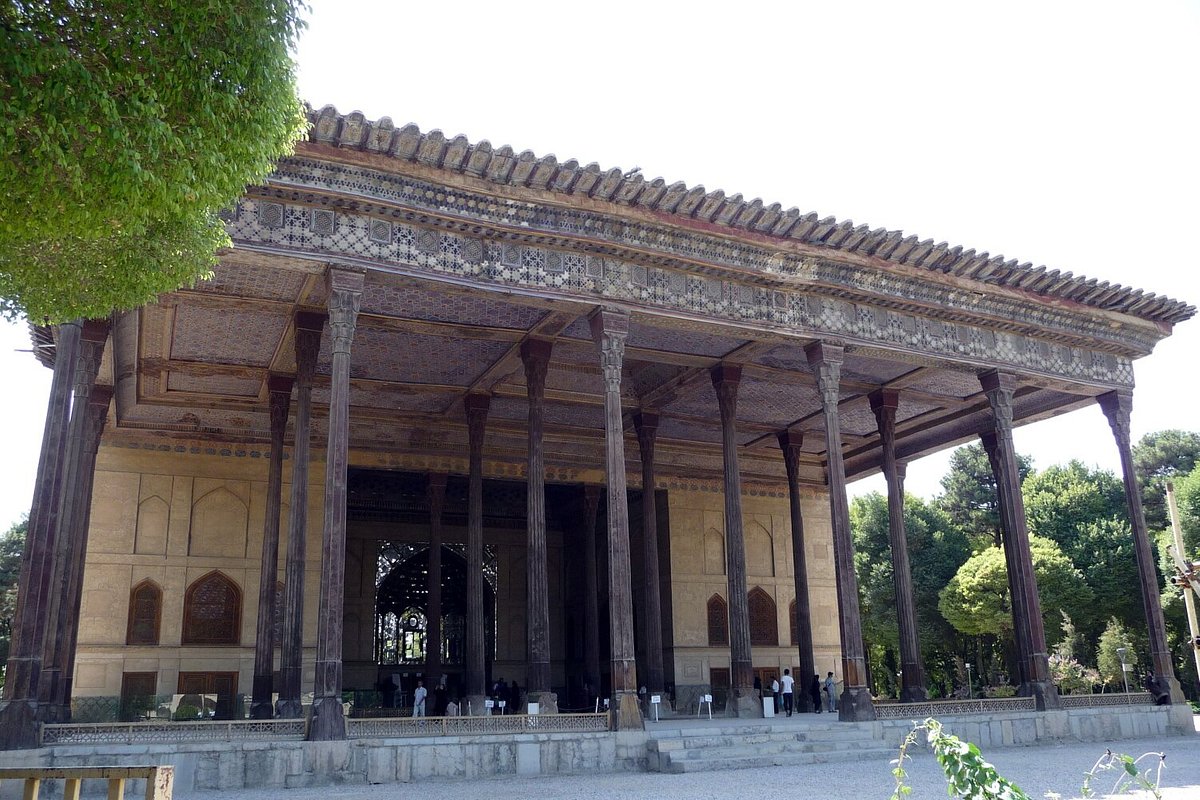
Chehel Sotoun, a stunning example of Persian palace architecture, is a must-see attraction in the historic city of Isfahan, Iran. Translating to “Forty Columns,” the name stems from the twenty slender wooden columns supporting the entrance pavilion, which, when reflected in the waters of the fronting pool, are said to appear as forty. This 17th-century edifice, built during the Safavid era, is renowned for its elegantly landscaped gardens and the exquisite frescoes and paintings that adorn its interior. The palace served as a place of reception and entertainment for royal guests and ambassadors, embodying the grandeur and opulence of Safavid court life.
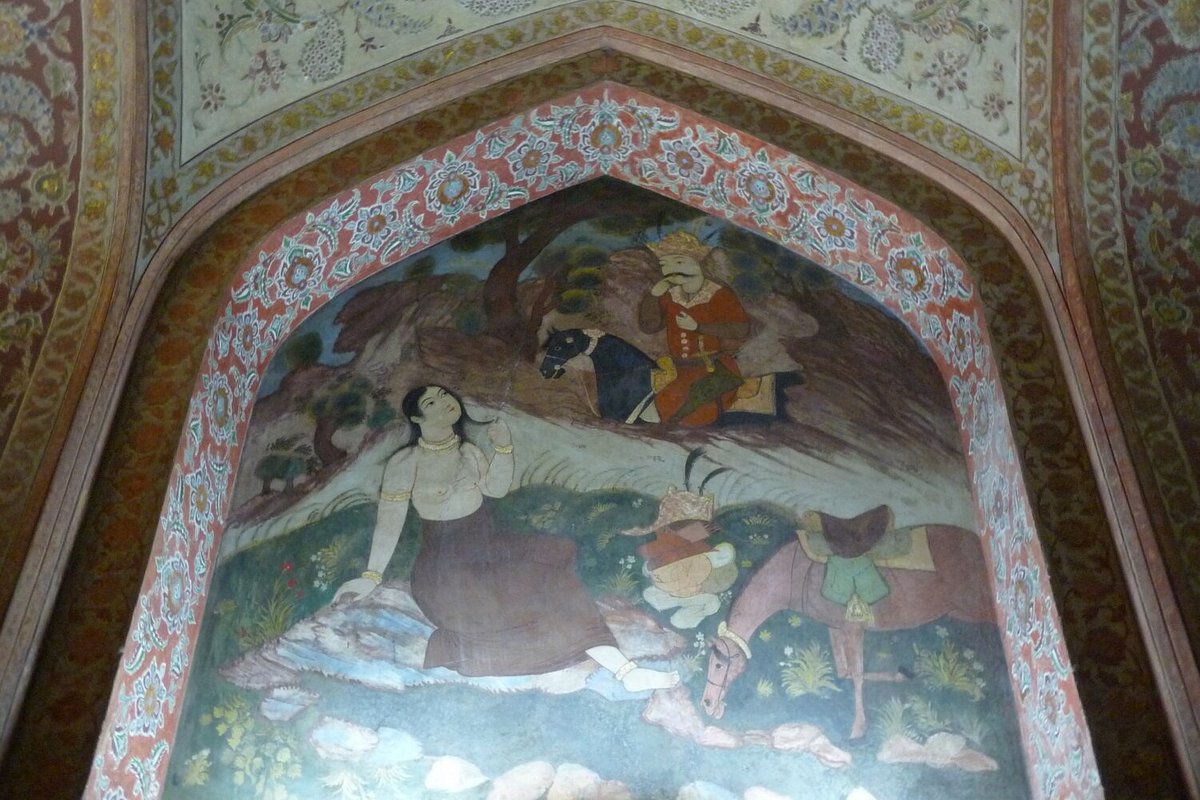
The architectural design of Chehel Sotoun is a testament to the sophistication of Persian art and craftsmanship. The palace is set amidst a large, rectangular garden, featuring long pools and fountains, which are characteristic of the classical Persian garden layout. Inside, the main hall is decorated with historical frescoes depicting various scenes from Safavid battles and court receptions. These paintings are invaluable in providing insights into the political and social life of the era.
Chehel Sotoun is not just a historical monument; it’s a cultural treasure that captures the essence of Persian aesthetics and landscaping. Its harmonious integration of architecture with nature, combined with its historical significance, makes it an unmissable destination for anyone interested in Persian history, art, and architecture. The peaceful atmosphere of its gardens offers a tranquil escape from the city, inviting visitors to step back in time and experience the splendor of Iran’s royal past.
Visiting these attractions offers a comprehensive experience of Isfahan’s rich cultural and historical landscape and can easily be done on the same day as a visit to Chehel Sotoun.

会员自 2023
 English English
 Español
 日本語
日本語 Deutsch
 العربية
 Français
 Português
 简体中文
简体中文 Русский
 Italiano
 한국어
한국어 Türkçe
 Dansk
Dansk Български
 Čeština
 Ελληνικά
 Suomi
Suomi עִבְרִית
 Magyar
 Bahasa Indonesia
 Հայերեն




发表评论